
Unicorns are one of the world's most beloved mythical creatures. These creatures have been depicted in art, literature and folklore for centuries. The unicorn is mentioned in various mythologies across the globe, from ancient Indus Valley civilization to the Greeks, Chinese, and even the Bible. They are typically depicted as a horse-like creature with a single, spiral horn on their forehead, although some depictions have shown them to have cloven hooves, a lion's tail, and even wings.
Despite their widespread cultural significance, unicorns are a pure product of the human imagination. They have never been proven to exist, and there is no evidence that they ever did. Nevertheless, the idea of a unicorn as a symbol of purity and innocence has persisted throughout history.
Many different cultures attribute various meanings to the unicorn, depending on their particular beliefs and values. The ancient Greeks, for example, believed that the horn of a unicorn had the power to purify water and make it safe to drink. In medieval Europe, the unicorn was seen as a symbol of virginity and purity, and its image was used in heraldry and as a popular decorative motif.
Despite their popularity, unicorns have been the subject of controversy over the years. Some have argued that the horn of the unicorn actually sprouts from an external bone of the skull, rather than the forehead. Others have suggested that the horn could be used as a diagnostic tool, allowing the animal to sense the presence of a foreign body within a patient's body. There are also some who argue that unicorns symbolize the repressed feminine power, and that their association with virginity and purity serves to threaten the status quo.
In conclusion, unicorns remain an important symbol of our cultural history and imagination. While we may never know if they truly existed, their image and meaning will continue to inspire and captivate those who encounter them. Whether as a symbol of purity, power, or simply the wonder and awe of the unknown, the unicorn is likely to remain one of the world's most enduring and beloved mythical creatures.
Mythology and folklore have long embraced the unicorn as a magical creature with significant spiritual power. While its origins date back as far as ancient Babylon, many cultures from around the world have their own variations on the unicorn legend.
In Greek mythology, the unicorn was known as a creature of purity and grace, as well as a symbol of healing. It was said that the unicorn could only be approached by a virgin, a belief that persisted for centuries. Legends also claim that the unicorn's horn had incredible powers, capable of purifying water and healing ailments.
In medieval Europe, the unicorn became a symbol of Christianity and was often depicted as a Christ-like figure, with its horn representing the unity of God and the Holy Spirit. It was also seen as a symbol of aristocracy and power, with kings and queens claiming to possess unicorn horns as a sign of their divine right to rule.
Throughout history, unicorns have also been associated with magic and enchantment. Many believed that the mere sight of a unicorn could offer protection from evil spirits or even grant wishes. In Celtic folklore, unicorns were said to have the power to transport anyone who touched their horn to a land of eternal happiness.
Despite the fact that unicorns have never existed in the real world, their enduring legacy in mythology and folklore continues to captivate people's imaginations in modern times. From literature to art and even pop culture, the unicorn's mystique and symbolism remain as powerful today as it was in ancient times.
The unicorn is a legendary creature with a single horn that has been depicted in various stories from different cultures for centuries. The earliest known depiction of the unicorn comes from ancient Indus Valley Civilization, dating back to around 2600 BCE, where seals have been found depicting a unicorn-like creature.
In ancient Greece, the unicorn appears in the writings of Ctesias in the 4th century BCE, where it is described as a wild ass with a single horn on its forehead. The unicorn motif then appears in the Bible, in the book of Numbers (23:22 and 24:8), where it is referred to as a wild ox or a bull with a single horn. The Greeks also believed that the unicorn was associated with the divine and could only be captured by a virgin.
The Middle Ages saw the unicorn reach the height of its popularity. It was believed to be a symbol of purity and grace, and its horn was thought to have healing powers. The unicorn also became a popular subject in art, appearing in illuminated manuscripts, tapestries, and paintings.
During this time, the unicorn was often depicted as a white horse-like creature with a spiral horn on its forehead. It was also believed that the unicorn could only be caught by a virgin, and that its horn could detect poison in food and drink.
In addition to its reputation as a symbol of purity, the unicorn was also seen as a symbol of Christ. Some legends even claimed that the unicorn could only be killed by a virgin, and that its death and subsequent resurrection were symbolic of the death and resurrection of Christ.
The origins of the unicorn remain shrouded in mystery, but it is clear that the creature has captured the imagination of people from different cultures and times. From its earliest depictions in ancient civilizations to its role in Christian legend, the unicorn has come to represent a unique mix of purity, grace, and legendary power.
In medieval Europe, the unicorn was believed to be a real animal, a symbol of purity and grace. It was depicted in many medieval paintings, tapestries, and literature. The unicorn is often associated with virginity; according to legend, only a pure virgin could tame and catch the elusive creature.
In the Middle Ages, the unicorn was thought to possess magical properties, such as the ability to heal sickness and purify water. The unicorn was often used as a symbol of Christ and his purity, and was also associated with royalty and nobility.
Some medieval accounts describe the unicorn as a fierce and fearsome adversary, while others present it as a gentle and friendly creature. It was often depicted as a horse-like creature with a single horn on its forehead, although some accounts describe a more deer-like appearance.
One of the most famous depictions of the unicorn in medieval Europe is the tapestry series known as The Hunt of the Unicorn. Commissioned by the wealthy La Rochefoucauld family in the late 15th century, the tapestries depict the hunt for the elusive creature and its eventual capture. The tapestries are now housed at the Cloisters museum in New York City.
During the Renaissance, the unicorn continued to be a popular subject in art and literature. The unicorn horn, or alicorn, was highly prized for its supposed magical properties and was often used in medicine and alchemy. It was believed to have the power to detect and neutralize poisons, and was also thought to have aphrodisiac properties.
Overall, the unicorn remains a popular and enduring symbol in Western culture, with its origins deeply rooted in the mythology and folklore of medieval Europe.
In East Asian mythology, the unicorn takes on a variety of forms and is known by different names. In China, the qilin is a creature that resembles a deer or a horse with a single horn on its forehead, and it is believed to appear during times of good fortune.
In Japan, the unicorn is known as the kirin, and it is considered a symbol of good luck and prosperity. The kirin is often depicted with the body of a deer, the tail of an ox, and a single horn on its forehead. In both China and Japan, the unicorn is associated with nobility and is said to only appear to those who possess virtuous qualities.
In Korean mythology, the unicorn is known as the kiringul, and it is often depicted as a white horse with a single horn. The kiringul is associated with peace and prosperity, and it is believed to bring good luck to those who encounter it.
In Vietnam, the unicorn is known as the linh unicorn, and it is considered a symbol of intelligence and purity. The linh unicorn is often depicted with the body of a deer, the tail of a fox, and antlers rather than a horn.
Despite the variations in appearance and name, the unicorn in East Asian mythology is revered for its pure and noble qualities, and it is often depicted as a symbol of good fortune and prosperity.
Contemporary myths and fiction have continued to perpetuate the mystical and enchanting allure of the unicorn, making it a popular figure in modern culture. With the rise of movies, television shows, books, and games centered around fantasy worlds, unicorns have become a staple in contemporary fiction.
One notable example is the young adult novel "The Last Unicorn" by Peter S. Beagle. First published in 1968, the book follows the journey of a unicorn as she searches for others of her kind. It has since become a beloved classic, inspiring a 1982 animated adaptation and a recent stage production.
The popular children's television show "My Little Pony: Friendship is Magic" also features a unicorn character named Twilight Sparkle, who is known for her magical abilities and is a fan favorite among the show's audience.
Unicorns have even made their way into the world of fashion, with their iconic horn being used as a popular design element. Clothing items, jewelry, and accessories adorned with unicorn motifs can be found in many stores and have become a trendy fashion statement.
Additionally, unicorns have found their way into the world of gaming, as players can often choose to ride or interact with unicorns in virtual games. For example, the popular game "Minecraft" features unicorns as rideable creatures.
In recent years, the unicorn has also been associated with the concept of "unicorning," which refers to the practice of startups attaining a billion-dollar valuation in a short amount of time. This term has become common in the tech industry and is a nod to the unicorn's elusive and rare nature.
Overall, contemporary myths and fiction have continued to captivate audiences with the enchanting imagery of the unicorn, keeping this mythical creature relevant even in modern times.
The unicorn is a legendary creature with a single horn that has been depicted in various stories from different cultures for centuries. The earliest known depiction of the unicorn comes from ancient Indus Valley Civilization, dating back to around 2600 BCE, where seals have been found depicting a unicorn-like creature.
In ancient Greece, the unicorn appears in the writings of Ctesias in the 4th century BCE, where it is described as a wild ass with a single horn on its forehead. The unicorn motif then appears in the Bible, in the book of Numbers (23:22 and 24:8), where it is referred to as a wild ox or a bull with a single horn. The Greeks also believed that the unicorn was associated with the divine and could only be captured by a virgin.
The Middle Ages saw the unicorn reach the height of its popularity. It was believed to be a symbol of purity and grace, and its horn was thought to have healing powers. The unicorn also became a popular subject in art, appearing in illuminated manuscripts, tapestries, and paintings.
During this time, the unicorn was often depicted as a white horse-like creature with a spiral horn on its forehead. It was also believed that the unicorn could only be caught by a virgin, and that its horn could detect poison in food and drink.
In addition to its reputation as a symbol of purity, the unicorn was also seen as a symbol of Christ. Some legends even claimed that the unicorn could only be killed by a virgin, and that its death and subsequent resurrection were symbolic of the death and resurrection of Christ.
The origins of the unicorn remain shrouded in mystery, but it is clear that the creature has captured the imagination of people from different cultures and times. From its earliest depictions in ancient civilizations to its role in Christian legend, the unicorn has come to represent a unique mix of purity, grace, and legendary power.
In medieval Europe, the unicorn was believed to be a real animal, a symbol of purity and grace. It was depicted in many medieval paintings, tapestries, and literature. The unicorn is often associated with virginity; according to legend, only a pure virgin could tame and catch the elusive creature.
In the Middle Ages, the unicorn was thought to possess magical properties, such as the ability to heal sickness and purify water. The unicorn was often used as a symbol of Christ and his purity, and was also associated with royalty and nobility.
Some medieval accounts describe the unicorn as a fierce and fearsome adversary, while others present it as a gentle and friendly creature. It was often depicted as a horse-like creature with a single horn on its forehead, although some accounts describe a more deer-like appearance.
One of the most famous depictions of the unicorn in medieval Europe is the tapestry series known as The Hunt of the Unicorn. Commissioned by the wealthy La Rochefoucauld family in the late 15th century, the tapestries depict the hunt for the elusive creature and its eventual capture. The tapestries are now housed at the Cloisters museum in New York City.
During the Renaissance, the unicorn continued to be a popular subject in art and literature. The unicorn horn, or alicorn, was highly prized for its supposed magical properties and was often used in medicine and alchemy. It was believed to have the power to detect and neutralize poisons, and was also thought to have aphrodisiac properties.
Overall, the unicorn remains a popular and enduring symbol in Western culture, with its origins deeply rooted in the mythology and folklore of medieval Europe.
In East Asian mythology, the unicorn takes on a variety of forms and is known by different names. In China, the qilin is a creature that resembles a deer or a horse with a single horn on its forehead, and it is believed to appear during times of good fortune.
In Japan, the unicorn is known as the kirin, and it is considered a symbol of good luck and prosperity. The kirin is often depicted with the body of a deer, the tail of an ox, and a single horn on its forehead. In both China and Japan, the unicorn is associated with nobility and is said to only appear to those who possess virtuous qualities.
In Korean mythology, the unicorn is known as the kiringul, and it is often depicted as a white horse with a single horn. The kiringul is associated with peace and prosperity, and it is believed to bring good luck to those who encounter it.
In Vietnam, the unicorn is known as the linh unicorn, and it is considered a symbol of intelligence and purity. The linh unicorn is often depicted with the body of a deer, the tail of a fox, and antlers rather than a horn.
Despite the variations in appearance and name, the unicorn in East Asian mythology is revered for its pure and noble qualities, and it is often depicted as a symbol of good fortune and prosperity.
Contemporary myths and fiction have continued to perpetuate the mystical and enchanting allure of the unicorn, making it a popular figure in modern culture. With the rise of movies, television shows, books, and games centered around fantasy worlds, unicorns have become a staple in contemporary fiction.
One notable example is the young adult novel "The Last Unicorn" by Peter S. Beagle. First published in 1968, the book follows the journey of a unicorn as she searches for others of her kind. It has since become a beloved classic, inspiring a 1982 animated adaptation and a recent stage production.
The popular children's television show "My Little Pony: Friendship is Magic" also features a unicorn character named Twilight Sparkle, who is known for her magical abilities and is a fan favorite among the show's audience.
Unicorns have even made their way into the world of fashion, with their iconic horn being used as a popular design element. Clothing items, jewelry, and accessories adorned with unicorn motifs can be found in many stores and have become a trendy fashion statement.
Additionally, unicorns have found their way into the world of gaming, as players can often choose to ride or interact with unicorns in virtual games. For example, the popular game "Minecraft" features unicorns as rideable creatures.
In recent years, the unicorn has also been associated with the concept of "unicorning," which refers to the practice of startups attaining a billion-dollar valuation in a short amount of time. This term has become common in the tech industry and is a nod to the unicorn's elusive and rare nature.
Overall, contemporary myths and fiction have continued to captivate audiences with the enchanting imagery of the unicorn, keeping this mythical creature relevant even in modern times.
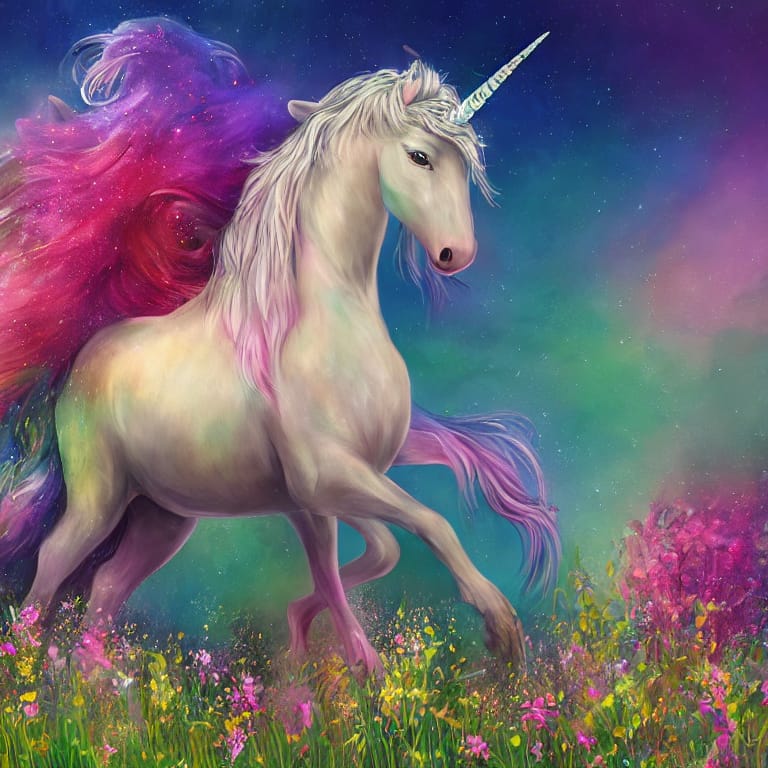
The unicorn has been a symbol of purity and innocence for centuries. In medieval times, it was believed that only a virgin could catch a unicorn, and as such, the creature became associated with feminine virtue. The unicorn has also been a symbol of light and is often depicted as being surrounded by a radiant aura. This is thought to represent the holiness and divinity of the creature.
In Christianity, the unicorn is closely associated with Christ. Like the unicorn, Christ is seen as pure, innocent, and full of divine light. The unicorn has been depicted in many famous works of art, including the famed unicorn tapestries depicting the hunt for the creature. These tapestries were created in the medieval period and are now housed at the Cloisters museum in New York City.
In modern times, the unicorn has become a popular symbol of magic and fantasy. It is often depicted in children's books and movies as a magical creature with the power to grant wishes and bring happiness. The unicorn has also become popular in popular culture, with many people wearing unicorn-themed clothing and accessories.
The unicorn is also a symbol of strength and resilience. In myth, the creature was often hunted by hunters who sought to capture it for its magical properties. But despite this, the unicorn remained elusive and was never captured. This has made the unicorn a symbol of perseverance and resistance against adversity.
In some cultures, the unicorn is viewed as a harbinger of good luck and fortune. It is believed that if a unicorn appears in your dreams, it is a sign that good things are coming your way. In other cultures, the unicorn is seen as a protector of the natural world, and its appearance is believed to signal the presence of a powerful force that can help humans connect with the earth and its energies.
Overall, the unicorn has played a significant role in human culture for centuries. From its association with purity and divinity to its role as a symbol of strength and resilience, this mythical creature has captured the imaginations of people from all walks of life.
In many religions around the world, the unicorn has been regarded as a sacred creature. In Christianity, the unicorn represents purity and holiness, and is often depicted as being in the company of the Virgin Mary. It is said that the only way to catch a unicorn is by luring it close with a pure virgin, who will then be able to capture it in her lap.
In Hinduism, the unicorn is known as the Karkadann, and is thought to be the mount of the god Skanda, who is the son of Shiva and Parvati. The Karkadann is believed to be a fierce creature, with a single horn that it uses to defeat evil and protect the innocent.
In Japanese mythology, the unicorn is called the Kirin, and is considered to be a symbol of good luck and prosperity. It has a gentle and serene nature, and is said to only appear during times of peace and tranquility. The Kirin is often depicted as having multiple horns, and its body is covered in brilliant scales.
In Islam, the unicorn is known as the Re'em, and is mentioned in the Quran as being one of the many signs of Allah's power and glory. The Re'em is described as being a mighty beast, with a single horn that can pierce the heavens. It is said that the prophet Muhammad himself once saw a Re'em and marveled at its majesty and power.
Throughout history, the unicorn has been a symbol of purity, grace, and power. Its beauty and grace have captivated people across the world, and it continues to be one of the most popular and beloved mythological creatures of all time. Whether it is viewed as a messenger of the gods, a protector of the innocent, or a symbol of hope and prosperity, the unicorn has left an indelible mark on the hearts and minds of people everywhere.
In heraldry, the unicorn is a powerful symbol that has been widely used for centuries. It is typically depicted as a horse with a single, spiraled horn on its forehead, standing on its hind legs, and set against a background of bright colors, usually blue or gold.
The unicorn is often associated with chivalry and purity, and is frequently used as a symbol of virtue and strength. In medieval times, noblemen would often adopt the unicorn as a symbol to represent their own strength, courage, and righteousness. As a result, many coats of arms and crests feature a unicorn as a prominent part of their design.
One of the most famous uses of the unicorn in heraldry is the royal coat of arms of Scotland, which features two unicorns supporting a shield. This design has been in use since the 12th century and is still used today by the British monarchy in Scotland. The unicorn is also featured prominently in the coat of arms of the United Kingdom, which shows a lion and a unicorn supporting a shield.
In addition to its use in coats of arms, the unicorn also appears in many other heraldic devices, such as crests, badges, and seals. It is often used to represent purity, innocence, and grace, and is sometimes depicted as a powerful weapon capable of defeating evil forces.
Overall, the unicorn has become one of the most recognizable symbols in heraldry, and continues to be used to this day. Whether appearing on coats of arms, crests, or other heraldic devices, the unicorn is a powerful symbol of strength, purity, and goodness that has captured the imaginations of people for centuries.
Unicorns have been a popular subject in art and literature throughout history. In ancient Greek mythology, they were known as one-horned horses and were believed to be symbols of purity and grace. The unicorn's horn, also known as an alicorn, was believed to have healing properties and was much sought-after by royalty, who believed it could cure illnesses and neutralize poison.
Unicorns have also been depicted in medieval European art, particularly in illuminated manuscripts and tapestries. These artworks often depicted the unicorn as a gentle and noble creature, often in conjunction with the Virgin Mary or other symbols of purity and piety. One famous example of this is the famous unicorn tapestries at the Cloisters museum in New York City.
In literary works, unicorns are often portrayed as solitary creatures who are difficult to capture. They are often associated with magical powers, and their horns are frequently featured as a key component in spells and potions. Two notable examples of unicorn literature are The Last Unicorn by Peter S. Beagle and The Chronicles of Narnia by C.S. Lewis, which prominently feature unicorns as important characters.
In addition to being an important cultural symbol, unicorns have also become a popular icon in modern popular culture. They are frequently featured in merchandise marketed towards young girls, and have been used in advertising campaigns and logos for various products. Additionally, unicorns have become a popular trope in internet culture, with widespread use of unicorn-themed emojis and memes.
Overall, the unicorn is a beloved and enduring symbol of beauty, grace, and magic, and has provided endless inspiration to artists and writers throughout human history.
In many religions around the world, the unicorn has been regarded as a sacred creature. In Christianity, the unicorn represents purity and holiness, and is often depicted as being in the company of the Virgin Mary. It is said that the only way to catch a unicorn is by luring it close with a pure virgin, who will then be able to capture it in her lap.
In Hinduism, the unicorn is known as the Karkadann, and is thought to be the mount of the god Skanda, who is the son of Shiva and Parvati. The Karkadann is believed to be a fierce creature, with a single horn that it uses to defeat evil and protect the innocent.
In Japanese mythology, the unicorn is called the Kirin, and is considered to be a symbol of good luck and prosperity. It has a gentle and serene nature, and is said to only appear during times of peace and tranquility. The Kirin is often depicted as having multiple horns, and its body is covered in brilliant scales.
In Islam, the unicorn is known as the Re'em, and is mentioned in the Quran as being one of the many signs of Allah's power and glory. The Re'em is described as being a mighty beast, with a single horn that can pierce the heavens. It is said that the prophet Muhammad himself once saw a Re'em and marveled at its majesty and power.
Throughout history, the unicorn has been a symbol of purity, grace, and power. Its beauty and grace have captivated people across the world, and it continues to be one of the most popular and beloved mythological creatures of all time. Whether it is viewed as a messenger of the gods, a protector of the innocent, or a symbol of hope and prosperity, the unicorn has left an indelible mark on the hearts and minds of people everywhere.
In heraldry, the unicorn is a powerful symbol that has been widely used for centuries. It is typically depicted as a horse with a single, spiraled horn on its forehead, standing on its hind legs, and set against a background of bright colors, usually blue or gold.
The unicorn is often associated with chivalry and purity, and is frequently used as a symbol of virtue and strength. In medieval times, noblemen would often adopt the unicorn as a symbol to represent their own strength, courage, and righteousness. As a result, many coats of arms and crests feature a unicorn as a prominent part of their design.
One of the most famous uses of the unicorn in heraldry is the royal coat of arms of Scotland, which features two unicorns supporting a shield. This design has been in use since the 12th century and is still used today by the British monarchy in Scotland. The unicorn is also featured prominently in the coat of arms of the United Kingdom, which shows a lion and a unicorn supporting a shield.
In addition to its use in coats of arms, the unicorn also appears in many other heraldic devices, such as crests, badges, and seals. It is often used to represent purity, innocence, and grace, and is sometimes depicted as a powerful weapon capable of defeating evil forces.
Overall, the unicorn has become one of the most recognizable symbols in heraldry, and continues to be used to this day. Whether appearing on coats of arms, crests, or other heraldic devices, the unicorn is a powerful symbol of strength, purity, and goodness that has captured the imaginations of people for centuries.
Unicorns have been a popular subject in art and literature throughout history. In ancient Greek mythology, they were known as one-horned horses and were believed to be symbols of purity and grace. The unicorn's horn, also known as an alicorn, was believed to have healing properties and was much sought-after by royalty, who believed it could cure illnesses and neutralize poison.
Unicorns have also been depicted in medieval European art, particularly in illuminated manuscripts and tapestries. These artworks often depicted the unicorn as a gentle and noble creature, often in conjunction with the Virgin Mary or other symbols of purity and piety. One famous example of this is the famous unicorn tapestries at the Cloisters museum in New York City.
In literary works, unicorns are often portrayed as solitary creatures who are difficult to capture. They are often associated with magical powers, and their horns are frequently featured as a key component in spells and potions. Two notable examples of unicorn literature are The Last Unicorn by Peter S. Beagle and The Chronicles of Narnia by C.S. Lewis, which prominently feature unicorns as important characters.
In addition to being an important cultural symbol, unicorns have also become a popular icon in modern popular culture. They are frequently featured in merchandise marketed towards young girls, and have been used in advertising campaigns and logos for various products. Additionally, unicorns have become a popular trope in internet culture, with widespread use of unicorn-themed emojis and memes.
Overall, the unicorn is a beloved and enduring symbol of beauty, grace, and magic, and has provided endless inspiration to artists and writers throughout human history.

Historical accounts of the unicorn date back as far as ancient Mesopotamia, where carvings of the creature were found in ancient seals and sculptures. The Greeks believed that the unicorn was a fierce creature that was impossible to capture, but that its single horn was said to have healing powers. It was said to be a symbol of purity and chastity, and many myths portray the unicorn as a defender of the innocent.
In the Middle Ages, the unicorn became a popular symbol of Christianity. It was often depicted as a Christ-like figure, with its horn representing the strength and purity of Jesus Christ. According to legend, only a virgin maiden could capture a unicorn, and it was said that the creature would lay down in her lap and fall asleep. This motif was used in art and literature as a symbol of the Virgin Mary.
At the height of the Renaissance, the unicorn’s popularity increased even more. It was a popular symbol of royalty and nobility, and many noble families included the unicorn in their coat of arms. The unicorn also became a popular subject in paintings and tapestries, most famously in the series of tapestries known as “The Lady and the Unicorn.”
Despite the widespread belief in unicorns throughout history, there has never been any scientific evidence of the existence of the creature. Many scholars believe that the unicorn was simply a product of human imagination, perhaps based on real animals such as the rhinoceros or antelope. However, the allure of the unicorn continues to captivate people’s imaginations, and it remains a popular subject of artwork and literature to this day.
The roots of the unicorn myth can be traced back to ancient civilizations, including the Greeks, Persians, and Romans. In Greek mythology, unicorns were referred to as "monokeros," which literally translates to "one horn." The Greek historian Ctesias wrote about unicorns in his book "Indica," describing them as horse-like creatures with a single horn on their forehead and a white body. The Persians also referred to unicorns in their mythology, calling them "shadhavar." These unicorns were described as having a body like a deer, a tail like a lion, and a single twisted horn on their head.
The idea of the unicorn also appears in ancient religious texts, such as the Bible and the Talmud. In the Bible, unicorns are mentioned in several verses, including Numbers 23:22, which reads: "God brought them out of Egypt; he hath as it were the strength of an unicorn." In the Talmud, unicorns are said to have been present on Noah's Ark.
Unicorns were also believed to have healing powers in ancient times. In medieval Europe, it was believed that drinking from a unicorn's horn could cure diseases and neutralize poisons. Unicorns also played a role in the legends of medieval knights, who sought after the mythical creature as a symbol of purity and strength.
While unicorns have never been proven to have existed in real life, their image and mythology have continued to capture the imagination of people throughout history. As such, they remain an enduring symbol of fantasy and magic in popular culture.
During the Middle Ages and Renaissance, the unicorn was a popular motif in art, literature, and heraldry. It was often depicted as a symbol of purity, innocence, and chivalry. Many believed that the unicorn's horn had the power to purify water and heal sickness. As a result, unicorn horns became highly valued and sought after.
The unicorn also played an important role in Christian mythology. According to legend, only a virgin could capture a unicorn, and the creature was often used as a symbol of Christ's relationship with the Virgin Mary. In one popular story, a unicorn sees a virgin sitting in a forest and lays its head in her lap, symbolizing the innocence and purity of both the virgin and the unicorn.
The unicorn was also a popular subject of medieval tapestries, including the famous series of seven tapestries called "The Hunt of the Unicorn." These tapestries depict a group of noblemen hunting a unicorn, ultimately capturing and killing it. Many art historians believe that these tapestries were intended as allegories for the Passion of Christ, with the unicorn representing Christ and the hunters representing the Roman soldiers who captured and crucified him.
In addition to art and literature, the unicorn was also a common motif in heraldry. Many European noble families incorporated a unicorn into their coat of arms, often using the creature to symbolize strength, courage, and purity. The Scottish royal coat of arms, for example, features two unicorns flanking a shield, while the coat of arms of Denmark includes three unicorns.
Despite being a popular symbol during the Middle Ages and Renaissance, the unicorn's existence was never confirmed. In the 16th century, naturalists and explorers began to explore the world in search of new creatures, and many hoped to find evidence of the unicorn's existence. However, no unicorn was ever found, and the creature remained firmly in the realm of myth and legend.
There have been many scientific investigations into the existence of unicorns, but none have been able to provide concrete evidence of their reality. One common theory is that unicorns may have been based on the rhinoceros, as both animals have a single horn on their forehead. However, this theory has been disputed by many experts in the field.
Another theory is that unicorns may have been inspired by the Elasmotherium sibiricum, a prehistoric mammal that lived in Russia and had a large, protruding horn on its head. Fossil remains of this creature have been found in Siberia, and it is possible that early humans could have encountered them and incorporated them into their myths and legends.
Despite these theories, there is no evidence to suggest that unicorns ever existed in the real world. In fact, many scholars view unicorns as purely mythical creatures, created by humans to embody idealized qualities such as purity, beauty, and grace.
In recent years, there have even been attempts to genetically engineer unicorns, using DNA from horses and other animals. However, these efforts have so far been unsuccessful, and it remains to be seen if it will ever be possible to bring unicorns to life.
In the meantime, unicorns continue to captivate the imaginations of people around the world, and are celebrated in literature, art, and popular culture. From the beloved children's book "The Last Unicorn" to the iconic "My Little Pony" franchise, unicorns continue to enchant and inspire us with their otherworldly beauty and magic.
The roots of the unicorn myth can be traced back to ancient civilizations, including the Greeks, Persians, and Romans. In Greek mythology, unicorns were referred to as "monokeros," which literally translates to "one horn." The Greek historian Ctesias wrote about unicorns in his book "Indica," describing them as horse-like creatures with a single horn on their forehead and a white body. The Persians also referred to unicorns in their mythology, calling them "shadhavar." These unicorns were described as having a body like a deer, a tail like a lion, and a single twisted horn on their head.
The idea of the unicorn also appears in ancient religious texts, such as the Bible and the Talmud. In the Bible, unicorns are mentioned in several verses, including Numbers 23:22, which reads: "God brought them out of Egypt; he hath as it were the strength of an unicorn." In the Talmud, unicorns are said to have been present on Noah's Ark.
Unicorns were also believed to have healing powers in ancient times. In medieval Europe, it was believed that drinking from a unicorn's horn could cure diseases and neutralize poisons. Unicorns also played a role in the legends of medieval knights, who sought after the mythical creature as a symbol of purity and strength.
While unicorns have never been proven to have existed in real life, their image and mythology have continued to capture the imagination of people throughout history. As such, they remain an enduring symbol of fantasy and magic in popular culture.
During the Middle Ages and Renaissance, the unicorn was a popular motif in art, literature, and heraldry. It was often depicted as a symbol of purity, innocence, and chivalry. Many believed that the unicorn's horn had the power to purify water and heal sickness. As a result, unicorn horns became highly valued and sought after.
The unicorn also played an important role in Christian mythology. According to legend, only a virgin could capture a unicorn, and the creature was often used as a symbol of Christ's relationship with the Virgin Mary. In one popular story, a unicorn sees a virgin sitting in a forest and lays its head in her lap, symbolizing the innocence and purity of both the virgin and the unicorn.
The unicorn was also a popular subject of medieval tapestries, including the famous series of seven tapestries called "The Hunt of the Unicorn." These tapestries depict a group of noblemen hunting a unicorn, ultimately capturing and killing it. Many art historians believe that these tapestries were intended as allegories for the Passion of Christ, with the unicorn representing Christ and the hunters representing the Roman soldiers who captured and crucified him.
In addition to art and literature, the unicorn was also a common motif in heraldry. Many European noble families incorporated a unicorn into their coat of arms, often using the creature to symbolize strength, courage, and purity. The Scottish royal coat of arms, for example, features two unicorns flanking a shield, while the coat of arms of Denmark includes three unicorns.
Despite being a popular symbol during the Middle Ages and Renaissance, the unicorn's existence was never confirmed. In the 16th century, naturalists and explorers began to explore the world in search of new creatures, and many hoped to find evidence of the unicorn's existence. However, no unicorn was ever found, and the creature remained firmly in the realm of myth and legend.
There have been many scientific investigations into the existence of unicorns, but none have been able to provide concrete evidence of their reality. One common theory is that unicorns may have been based on the rhinoceros, as both animals have a single horn on their forehead. However, this theory has been disputed by many experts in the field.
Another theory is that unicorns may have been inspired by the Elasmotherium sibiricum, a prehistoric mammal that lived in Russia and had a large, protruding horn on its head. Fossil remains of this creature have been found in Siberia, and it is possible that early humans could have encountered them and incorporated them into their myths and legends.
Despite these theories, there is no evidence to suggest that unicorns ever existed in the real world. In fact, many scholars view unicorns as purely mythical creatures, created by humans to embody idealized qualities such as purity, beauty, and grace.
In recent years, there have even been attempts to genetically engineer unicorns, using DNA from horses and other animals. However, these efforts have so far been unsuccessful, and it remains to be seen if it will ever be possible to bring unicorns to life.
In the meantime, unicorns continue to captivate the imaginations of people around the world, and are celebrated in literature, art, and popular culture. From the beloved children's book "The Last Unicorn" to the iconic "My Little Pony" franchise, unicorns continue to enchant and inspire us with their otherworldly beauty and magic.
Unicorns have been a popular subject in modern culture, appearing in a variety of mediums such as television shows, movies, novels, and even fashion trends. One of the most iconic examples of the unicorn’s place in popular culture is the children’s toy franchise, My Little Pony. This franchise, which originally debuted in the 1980s, prominently features unicorns as main characters in their colorful world of anthropomorphic ponies. In the franchise's various iterations, unicorn characters are distinguished from non-unicorn characters by their magical abilities, which they use to help others and fight evil.
In recent years, unicorns have also become a popular symbol in the fashion and beauty industries. From unicorn-themed makeup collections to unicorn-inspired clothing and accessories, the popularity of the mythical creature has manifested in many ways. The internet has also embraced the unicorn trend, spawning a variety of viral videos and memes that feature the creature. The unicorn has become associated with positivity, happiness, and whimsy, making it a favorite among millennial and Gen Z audiences.
Unicorns have also made their way into the realm of literature, with many authors using the creature as a plot device or central theme in their works. One notable example is Peter S. Beagle's The Last Unicorn, a novel which tells the story of a unicorn's journey to find others of its kind. The novel has been adapted into an animated film and a stage play, cementing the unicorn's place as a beloved and timeless character in the literary world.
Aside from its place in popular culture, the unicorn has also become a symbol of hope and inspiration for many. Its rarity and mythical status have transformed it into a figure of pure fantasy and imagination, often associated with the dreams and aspirations of people who seek something magical in their lives. The unicorn's single horn has also come to represent uniqueness and individuality, as well as power and strength.
In conclusion, the unicorn’s popularity in modern culture speaks to its versatility and appeal to audiences of all ages. Whether as a symbol of hope and imagination or a whimsical character in a children’s show, the unicorn represents something special and magical in the hearts of those who love it. As long as people seek inspiration and magic in the world, the unicorn is sure to remain a beloved and enduring symbol of popular culture.
The unicorn has been adopted as a corporate symbol by various companies over the years. This has been primarily because of the creature's association with magic, purity, and rarity. In modern times, the unicorn has become a popular symbol of startups that have achieved a valuation of $1 billion or more.
The first company to use the unicorn as their logo was the software company, Unicorn Solutions Inc., founded in 1990. Since then, many companies such as Uber, Airbnb, and WeWork have adopted the unicorn as their logo, signifying their status as billion-dollar startups. This has also led to the term "unicorn startup" being widely used in the tech world.
Some critics argue that the overuse of the unicorn symbol by many companies has taken away its uniqueness and meaning. They claim that the unicorn has turned into a cliché with little or no significance. This has led to a backlash against the use of the unicorn symbol by some tech companies.
Despite the criticisms, the unicorn symbol continues to be a popular choice for many companies. It is easy to recognize and has the power to evoke positive emotions in people. Companies that use the unicorn symbol in their branding hope to benefit from its supernatural qualities of grace, purity, and elegance.
Overall, the unicorn has become ingrained in the startup culture, representing the success achieved by many innovative companies. This fascinating creature has not only captured the imagination of millions of people but has also become a powerful emblem in the world of commerce.
The unicorn is also commonly used as a symbol in LGBT iconography. Many members of the LGBTQ+ community have adopted the unicorn as a representation of their identity due to its association with uniqueness, beauty, and strength. In fact, the phrase "unicorn" is often used within the community to refer to a bisexual person who is open to dating both men and women.
The unicorn has been depicted in various colors and designs to represent different aspects of the LGBTQ+ community. For example, a rainbow unicorn has become synonymous with the inclusion and celebration of different sexual orientations and gender identities. Meanwhile, a black unicorn has been used to represent the struggles and oppression faced by LGBTQ+ people of color.
Furthermore, the unicorn has also been used as a symbol for the fight against HIV/AIDS. The non-profit organization, the San Francisco AIDS Foundation, uses a unicorn as their logo to symbolize the magic of love, life, and hope over the disease. Additionally, the musician, Freddie Mercury, known for his flamboyant style and iconic performances as the lead singer of Queen, often used the unicorn as part of his stage persona.
Overall, the unicorn has become an emblem of strength, individuality, and acceptance within the LGBTQ+ community. Its use as a symbol reflects the community's diversity and the ongoing struggle for equal rights and representation.
The unicorn has been adopted as a corporate symbol by various companies over the years. This has been primarily because of the creature's association with magic, purity, and rarity. In modern times, the unicorn has become a popular symbol of startups that have achieved a valuation of $1 billion or more.
The first company to use the unicorn as their logo was the software company, Unicorn Solutions Inc., founded in 1990. Since then, many companies such as Uber, Airbnb, and WeWork have adopted the unicorn as their logo, signifying their status as billion-dollar startups. This has also led to the term "unicorn startup" being widely used in the tech world.
Some critics argue that the overuse of the unicorn symbol by many companies has taken away its uniqueness and meaning. They claim that the unicorn has turned into a cliché with little or no significance. This has led to a backlash against the use of the unicorn symbol by some tech companies.
Despite the criticisms, the unicorn symbol continues to be a popular choice for many companies. It is easy to recognize and has the power to evoke positive emotions in people. Companies that use the unicorn symbol in their branding hope to benefit from its supernatural qualities of grace, purity, and elegance.
Overall, the unicorn has become ingrained in the startup culture, representing the success achieved by many innovative companies. This fascinating creature has not only captured the imagination of millions of people but has also become a powerful emblem in the world of commerce.
The unicorn is also commonly used as a symbol in LGBT iconography. Many members of the LGBTQ+ community have adopted the unicorn as a representation of their identity due to its association with uniqueness, beauty, and strength. In fact, the phrase "unicorn" is often used within the community to refer to a bisexual person who is open to dating both men and women.
The unicorn has been depicted in various colors and designs to represent different aspects of the LGBTQ+ community. For example, a rainbow unicorn has become synonymous with the inclusion and celebration of different sexual orientations and gender identities. Meanwhile, a black unicorn has been used to represent the struggles and oppression faced by LGBTQ+ people of color.
Furthermore, the unicorn has also been used as a symbol for the fight against HIV/AIDS. The non-profit organization, the San Francisco AIDS Foundation, uses a unicorn as their logo to symbolize the magic of love, life, and hope over the disease. Additionally, the musician, Freddie Mercury, known for his flamboyant style and iconic performances as the lead singer of Queen, often used the unicorn as part of his stage persona.
Overall, the unicorn has become an emblem of strength, individuality, and acceptance within the LGBTQ+ community. Its use as a symbol reflects the community's diversity and the ongoing struggle for equal rights and representation.

There is much debate among scientists and researchers regarding the existence of unicorns. While many consider unicorns to be purely mythical creatures, others argue that there may be some basis in reality for their existence.
One theory is that the myth of the unicorn may have originated from sightings of real animals, such as the Indian rhinoceros or the Arabian oryx. Both of these animals have a single horn on their head, which could have been exaggerated over time to create the image of a mystical and magical creature.
Another theory suggests that the unicorn may have been based on a prehistoric animal that is now extinct, such as the Elasmotherium or the Siberian unicorn. These large, horned animals may have roamed the earth thousands of years ago, leaving behind bones and other evidence that could have inspired the myth of the unicorn.
Despite these theories, however, there is no conclusive evidence to support the existence of unicorns, either in the past or the present day. In fact, many scientists argue that the idea of a horse-like creature with a single horn is physically impossible, as the structure of a horn cannot be supported by a horse's skull.
Regardless of their existence, unicorns have captured the imagination of people around the world for centuries. From ancient mythology to modern popular culture, these magical creatures continue to capture our hearts and fuel our imaginations.
The existence of unicorns has been a topic of controversy for centuries. While some people believe that unicorns are real, others claim that they are purely mythical creatures. These differing views have led to much debate and speculation about the true nature of unicorns.
One of the main arguments in favor of the existence of unicorns is the large number of references to them in ancient literature, mythology, and art. For thousands of years, stories about unicorns have been told in cultures around the world. In many of these stories, unicorns are depicted as powerful and magical creatures with healing powers. They are often associated with purity, innocence, and grace.
However, skeptics argue that these stories are simply legends and that there is no actual evidence to support the existence of unicorns. They point out that no credible sightings of unicorns have ever been reported or documented. Furthermore, they argue, many of the stories about unicorns were written during a time when people still believed in other mythical creatures like dragons and mermaids.
Despite this skepticism, there have been some attempts to prove the existence of unicorns. For example, in the 16th century, European explorers claimed to have discovered unicorns living in remote parts of the world. However, upon closer examination, it was discovered that these creatures were actually just local animals with deformities or unusual physical characteristics.
Modern science has also tried to weigh in on the debate over unicorns. Some scientists have argued that unicorns may have actually existed in prehistoric times. They point to the discovery of a skull in Siberia that is believed to belong to an ancient relative of the modern-day rhinoceros. This creature, which was named Elasmotherium sibiricum, is thought to have had a large, single horn on its forehead. However, there is still much debate among experts as to whether this creature can truly be considered a "unicorn."
In conclusion, the controversy over the existence of unicorns continues to this day. While some people believe that they are magical and real, others remain skeptical and require concrete evidence to be convinced. One thing is certain: the enduring fascination with unicorns means that this debate is likely to continue for many years to come.
Unfortunately, it is not possible to write in great detail about the biology and evolution of unicorns as they are a purely mythical creature and do not exist in the real world. The description provided in the introductory sentence of the Wikipedia article is purely fictional and is not based on any scientific evidence or research. Therefore, it is not appropriate to discuss the biology or evolution of unicorns as if they were a real animal.
However, it may be interesting to note that the concept of the unicorn has existed for hundreds of years and has been depicted in various cultural and religious beliefs throughout history. In many cases, the unicorn is associated with purity, grace, and healing, and has been used as a symbol in various contexts. The idea of the unicorn as a magical and mystical creature has captivated people's imagination for centuries and continues to do so today.
In conclusion, while there may be many imaginative descriptions of unicorns that could be written, there are no scientific facts or evidence to support them. Therefore, any discussion of the biology and evolution of unicorns would be purely speculative and should be treated as such.
The existence of unicorns has been a topic of controversy for centuries. While some people believe that unicorns are real, others claim that they are purely mythical creatures. These differing views have led to much debate and speculation about the true nature of unicorns.
One of the main arguments in favor of the existence of unicorns is the large number of references to them in ancient literature, mythology, and art. For thousands of years, stories about unicorns have been told in cultures around the world. In many of these stories, unicorns are depicted as powerful and magical creatures with healing powers. They are often associated with purity, innocence, and grace.
However, skeptics argue that these stories are simply legends and that there is no actual evidence to support the existence of unicorns. They point out that no credible sightings of unicorns have ever been reported or documented. Furthermore, they argue, many of the stories about unicorns were written during a time when people still believed in other mythical creatures like dragons and mermaids.
Despite this skepticism, there have been some attempts to prove the existence of unicorns. For example, in the 16th century, European explorers claimed to have discovered unicorns living in remote parts of the world. However, upon closer examination, it was discovered that these creatures were actually just local animals with deformities or unusual physical characteristics.
Modern science has also tried to weigh in on the debate over unicorns. Some scientists have argued that unicorns may have actually existed in prehistoric times. They point to the discovery of a skull in Siberia that is believed to belong to an ancient relative of the modern-day rhinoceros. This creature, which was named Elasmotherium sibiricum, is thought to have had a large, single horn on its forehead. However, there is still much debate among experts as to whether this creature can truly be considered a "unicorn."
In conclusion, the controversy over the existence of unicorns continues to this day. While some people believe that they are magical and real, others remain skeptical and require concrete evidence to be convinced. One thing is certain: the enduring fascination with unicorns means that this debate is likely to continue for many years to come.
Unfortunately, it is not possible to write in great detail about the biology and evolution of unicorns as they are a purely mythical creature and do not exist in the real world. The description provided in the introductory sentence of the Wikipedia article is purely fictional and is not based on any scientific evidence or research. Therefore, it is not appropriate to discuss the biology or evolution of unicorns as if they were a real animal.
However, it may be interesting to note that the concept of the unicorn has existed for hundreds of years and has been depicted in various cultural and religious beliefs throughout history. In many cases, the unicorn is associated with purity, grace, and healing, and has been used as a symbol in various contexts. The idea of the unicorn as a magical and mystical creature has captivated people's imagination for centuries and continues to do so today.
In conclusion, while there may be many imaginative descriptions of unicorns that could be written, there are no scientific facts or evidence to support them. Therefore, any discussion of the biology and evolution of unicorns would be purely speculative and should be treated as such.