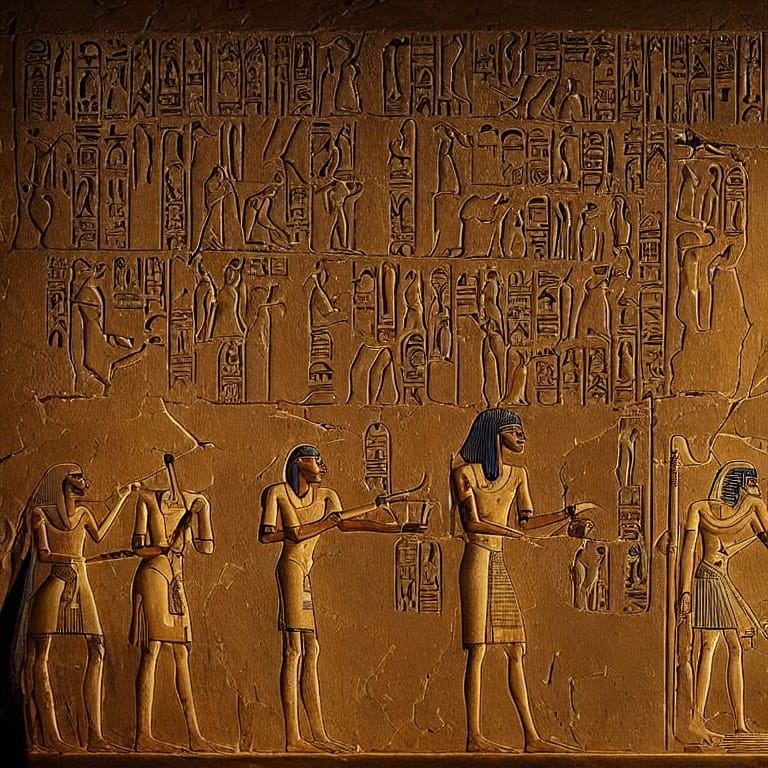

Passover is an important Jewish holiday that is celebrated each year by millions of people around the world. The holiday has a rich history steeped in tradition, and serves as a way for Jewish individuals to connect with their cultural and religious heritage. Celebrated in the spring season, Passover is a time for families to come together and remember the story of the Exodus of the Jewish people from slavery in Egypt.
The story of Passover began thousands of years ago when the Jewish people were enslaved in Egypt by Pharaoh. According to the biblical account, God sent ten plagues upon Egypt to convince Pharaoh to free the Jews. The final plague, the death of all firstborn children, finally convinced Pharaoh to grant the Jews their freedom. Before leaving Egypt, the Jews were given specific instructions from God on how to celebrate their release from slavery, including the eating of unleavened bread and the sacrifice of a lamb.
Today, Passover is celebrated through a number of different traditions, most notably through the Seder meal. The Seder is a symbolic meal that is held on the first two nights of Passover, and is meant to retell the story of the Exodus from slavery. The Seder includes a number of symbolic foods, such as the matzo (unleavened bread), the maror (bitter herbs), and the charoset (a sweet mixture of fruits and nuts). Each of these foods is meant to represent an important aspect of the story of the Exodus, and are eaten in a specific order during the Seder.
Passover is not just an important religious holiday, but also a time for families to come together and spend time with one another. In addition to the Seder meal, many families hold additional celebrations throughout the week-long Passover holiday. It is also a time for reflection and introspection, as well as an opportunity to give back to those in need through acts of charity and good deeds.
Overall, Passover is a meaningful and important holiday that holds a special place in the hearts and minds of Jewish people around the world. With its rich history and traditions, it is no wonder that Passover continues to be celebrated with great enthusiasm each and every year.

The history of Passover stretches back thousands of years to ancient times in the land of Egypt. The holiday was originally known as Pesach, which means "to pass over," and celebrates the Israelites' freedom from slavery there. According to Jewish tradition, the holiday commemorates the events that led to the Israelites' liberation, including the ten plagues and their exodus from Egypt.
Many scholars believe that the story of Passover is based on actual historical events, although the exact details are unclear. According to the biblical account in the book of Exodus, the Israelites were enslaved in Egypt for four hundred years before being led to freedom by Moses. After a series of plagues were visited upon the land, the Pharaoh finally relented and allowed the Israelites to leave.
The Israelites were instructed to commemorate their liberation by celebrating Passover each year in the spring. The highlight of the holiday is the Seder, a ritual meal that retells the story of the exodus and involves eating special foods, such as matzah and bitter herbs. The Seder is filled with symbolism and includes prayers, songs, and readings from the Haggadah, a text that outlines the order of the ritual.
Over the centuries, Passover has taken on additional meanings and traditions. For example, it is also a celebration of the arrival of spring and the rebirth of nature, and it symbolizes the Jews' ongoing struggle for freedom and self-determination. Many Jews also see Passover as a reminder to stand up for justice and human rights, and to help those who are oppressed.
Today, Passover is one of the most widely celebrated Jewish holidays, observed by Jews around the world. It is a time for family gatherings, community events, and reflection on the themes of liberation and redemption. Despite its ancient origins, Passover remains a vibrant and meaningful holiday that continues to inspire and connect people across generations and cultures.

Observances and practices for Passover are rooted in Jewish tradition and are observed in different ways by different Jewish communities around the world.
The main observance of Passover is the Seder, a festive meal that takes place on the first and second nights of the holiday. The Seder is a time for recounting the story of the exodus from Egypt, as told in the Haggadah, a special text that is read during the meal. The Haggadah includes prayers, songs, and rituals that symbolize the different aspects of the story of the exodus. Some common Seder rituals include the lighting of candles, washing of hands, drinking of four cups of wine, and the eating of matzah, unleavened bread that represents the haste with which the Israelites left Egypt.
During the Passover holiday, Jews are also required to eat only unleavened bread, called matzah. This commemorates the quick departure from Egypt, when the Israelites did not have time to let their bread rise. Jews are also forbidden from eating any leavened products during Passover, which is why many families clean and purge their homes of any chametz, or leavened foods, before the holiday begins.
Passover is also a time for giving to those in need. It is traditional to donate to charity before the holiday begins as well as to invite guests to share the Seder meal. The idea of Passover as a time of celebrating freedom and liberation extends beyond one's own community, and many Jewish organizations take part in efforts to help those facing oppression and injustice around the world.
Overall, Passover is a joyous holiday that celebrates the freedom of the Jewish people from slavery in Egypt. The holiday has a rich set of observances and practices that both honor the past and inspire Jews to work towards a better future for all.

Preparation for Passover begins several weeks before the holiday, with a thorough cleaning of the home to remove all traces of chametz. Chametz refers to any product made from wheat, barley, rye, oats, or spelt that has come into contact with water and been allowed to ferment and rise. This includes bread, cookies, cake, and other leavened products. The removal of chametz is known as "bedikat chametz," or the search for leaven. Traditionally, this is done by candlelight, with a feather and a wooden spoon. Any chametz found during the search is gathered and burned on the morning of the day preceding Passover, which is known as Erev Pesach.
Once the home has been cleaned of chametz, it can then be kashered. This involves the process of making all the utensils that will be used during Passover kosher, or fit for use. This includes pots and pans, silverware, and dishes. Any utensils that cannot be kashered, such as wooden bowls or plastic containers, must be replaced with new ones for use during Passover. Some families even have a separate set of Passover dishes to ensure that no chametz is accidentally used during the holiday.
Preparing for Passover also involves stocking up on special Passover foods, such as matzah, gefilte fish, and horseradish. Matzah, or unleavened bread, is a staple of the Passover diet and is eaten in place of chametz-based products. Gefilte fish, a dish made from poached fish, onions, and seasonings, is another traditional Passover food. Horseradish, often grated by hand in small dishes, is used to represent the bitterness of slavery during the Passover seder.
In addition to physical preparations, preparing for Passover also involves spiritual and mental preparations. During the holiday, Jews are encouraged to reflect on the themes of freedom, redemption, and the importance of remembering one's history. Many communities hold special study sessions, known as ma'ariv, during the weeks leading up to Passover. These sessions focus on the laws and traditions of the holiday, as well as on the spiritual and ethical lessons that can be drawn from the Passover story. By engaging in these preparations, Jews are able to fully immerse themselves in the observance of Passover and connect with the holiday's deeper meaning.

The Seder is the most important and widely observed ritual of the Passover holiday. It is a festive meal that marks the beginning of the holiday and commemorates the Israelites' exodus from Egypt. The word "Seder" means "order" in Hebrew, and it refers to the structured order of the meal, which follows a specific script and includes specific foods.
The Seder typically takes place on the first two nights of Passover, with family and friends gathering around the table to participate in the meal. The table is set with a special Seder plate that holds symbolic foods, each of which has a specific meaning and significance in the retelling of the Passover story.
The Seder is structured around the Haggadah, a text that tells the story of the exodus from Egypt and includes special blessings, prayers, and songs. The Haggadah is read aloud during the meal, with different parts assigned to different members of the family.
The Seder is divided into 15 parts or steps, each of which has a specific meaning and purpose. These steps include the blessing over wine, the washing of hands, the breaking of matzah, the telling of the story of the exodus, and the partaking of the festive meal.
One of the most memorable parts of the Seder is the ten plagues, which are recounted using wine or grape juice, as each plague is named and a drop of wine is spilled onto a plate or napkin. This signifies the suffering and hardship endured by the Israelites in Egypt, and helps to bring the story of the exodus to life.
Another important element of the Seder is the eating of matzah, or unleavened bread, which symbolizes both the haste with which the Israelites fled from Egypt and the spiritual freedom they achieved once they were no longer enslaved.
Overall, the Seder is a rich and meaningful ritual that brings together family and friends to recount the ancient story of the Israelites' freedom from slavery and to celebrate the enduring traditions of the Jewish people.

The Haggadah is the text read at the Passover Seder, and it tells the story of the Israelites' exodus from Egypt. The word Haggadah comes from the Hebrew root meaning "to tell," and the narrative is essential to the holiday of Passover. The Haggadah contains several sections, each of which is designed to help retell the story of the Exodus in different ways.
One of the most important sections of the Haggadah is the Maggid, which means "to tell." The Maggid is a narrative that recounts the history of the Jewish people and their liberation from Egypt. The Haggadah begins this section with the Four Questions, which are asked by the youngest child at the Seder. These questions are designed to prompt discussion and reflection about the meaning of the holiday.
Another important section of the Haggadah is the Plagues. During this part of the Seder, the ten plagues that befell the Egyptians are recounted. Each of the plagues is recited in turn, and a drop of wine is removed from the cup for each one. This is meant to signify the sorrow that the Jewish people felt for the suffering of the Egyptians, even as they celebrated their own redemption.
The Haggadah also contains prayers and songs that are sung throughout the Seder. One of the most famous of these is Dayenu, which means "It would have been enough." This song is sung at the end of the Maggid, and it expresses gratitude for all of the blessings that the Jewish people have received. The Haggadah also contains the Hallel, which is a set of Psalms that are traditionally recited on holidays.
In addition to retelling the story of the Exodus, the Haggadah also contains instructions for the Seder itself. These include the order of the ritual, the foods that are to be eaten, and the proper way to conduct the Seder. The Haggadah also includes commentary and interpretation of the holiday, which is meant to guide participants in their understanding of Passover.
Overall, the Haggadah is a crucial part of the Passover celebration. Its narrative, prayers, and instructions help to create a meaningful and joyous holiday for Jews around the world. By retelling the story of the Exodus and reflecting on its themes, participants are reminded of the importance of freedom, liberation, and faith in their lives.

3.4. Passover foods
Passover is a holiday that centers around food, and it is marked by a number of important culinary traditions. During Passover, many traditional Jewish foods are given special significance as part of the holiday celebrations. These foods are often symbolic of the story of the Israelites' escape from slavery, and they have great importance for the people who celebrate this holiday.
One of the most well-known Passover foods is matzo, an unleavened bread that is eaten throughout the holiday. Matzo is made with flour and water, and it is baked quickly to prevent leavening. According to Jewish tradition, the Israelites were forced to leave Egypt so quickly that they didn't have time for their bread to rise, so matzo represents their hasty departure from bondage.
Another important Passover food is haroset, a paste-like mixture of fruit, nuts, and spices that symbolizes the mortar Jewish slaves were forced to mix and use to build as slaves for Pharaohs. There are many different regional variations of haroset, each with its own unique ingredients and flavors. Some people make it with apples, walnuts, and cinnamon, while others use dates, figs, or wine.
During the Seder, the ritual meal that marks the beginning of Passover, many other symbolic foods are eaten. One of the most important of these is the roasted shank bone, which represents the lamb that was sacrificed by the Israelites just before they left Egypt. The charoset is also an important part of the Seder table, as it is traditionally eaten with matzo to signify the suffering of Jewish slaves.
Another traditional Passover dish is gefilte fish, which is traditional Ashkenazic Jewish dish made from a poached mixture of ground fish, onions, matzo meal, and spices. This dish is typically served cold and is often served with horseradish on the side, symbolizing the bitterness of slavery that the Israelites experienced in Egypt.
In addition to these traditional Passover foods, there are also many modern interpretations and variations of these dishes. As a result, many families have their own unique recipes and traditions that they observe during this important holiday. Regardless of the specific foods that are eaten, however, the celebration of Passover centers around the idea of freedom and liberation from oppression, offering a powerful message of hope and renewal for all who participate.

Passover is a holiday that comes with many traditions and restrictions. One of the most important restrictions is regarding food, as it pertains to the dietary laws of Kashrut. During Passover, Jews are prohibited from eating or possessing Chametz, which is any leavened food made from grain that has come into contact with water for more than 18 minutes. This includes bread, pasta, cookies, cakes, and many other food items that are commonly consumed.
The prohibition against Chametz is taken so seriously that prior to Passover's start, many Jewish homes undergo deep cleansings to ensure that no traces of Chametz are left behind. This process is known as Biur Chametz or "burning of the leaven." Traditionally, Jews would light a candle and search their homes for any remaining Chametz and would then gather and burn it in a communal bonfire.
In addition to the dietary restrictions, there are also restrictions on work during Passover. The first two and last two days of Passover are considered as full holidays, during which no one should work. Meaningful work, such as cooking or lighting a fire is allowed only for the purposes of preparing food for the Seder or fulfilling other needs of the holiday. By not working, Jews have the opportunity to focus on their spiritual connection to their faith, spend time with family and friends, and appreciate the holiday.
Another restriction during Passover is that of Hallel. This is a prayer said on joyous occasions, and it is recited in its entirety on each of the eight days of Passover. Additionally, the Torah commands Jews to eat Matzah during the first seven days of Passover. Matzah is unleavened bread, typically made just from flour and water, and is meant to symbolize the haste with which the Israelites left Egypt. The eating of this special bread is meant to reaffirm the Jewish people's commitment to their faith and traditions during the holiday.
Overall, Passover is a time of great spiritual reflection and celebration for the Jewish community around the world. The restrictions placed on Jews during this holiday are not seen as a burden, but rather an opportunity for renewal and connection to one's faith. Through observing these restrictions, Jews can appreciate the holiday and its meaning even more deeply.

Symbolism and meaning of Passover is central to understanding the holiday's deeper significance. Passover is a time when Jews celebrate their liberation from slavery in Egypt and their journey towards spiritual freedom. The story of Passover recounts how Moses led the Israelites out of Egypt after God inflicted ten plagues on the Egyptians. The holiday is celebrated with a ritual meal called the Seder, which means order in Hebrew. The Seder is meant to symbolize the journey of the Israelites from slavery to freedom, and it involves the recitation of prayers, the telling of the Exodus story, and the consumption of specific foods.
The Seder plate holds symbolic items that are used to retell the Passover story. The shank bone represents the Passover sacrifice, while the egg symbolizes renewal and rebirth. The bitter herbs represent the bitterness of slavery, and the charoset, a mixture of fruit and nuts, symbolizes the mortar used by the Israelites to build the pyramids. The matzah, unleavened bread, represents the hurried departure from Egypt, as the Israelites did not have time to allow the bread to rise.
The Seder also includes the recitation of the Haggadah, a text that tells the story of Passover and provides explanations for the various customs and rituals of the holiday. The Haggadah includes elements of history, poetry, and philosophy. It emphasizes the importance of freedom and human rights, and it encourages Jews to work towards these values in their daily lives.
In addition to its historical and spiritual significance, Passover has also taken on contemporary relevance. The holiday is a reminder of the ongoing struggle for justice and freedom around the world, and it offers an opportunity for Jews to reflect on their role in promoting these values. Passover is also a time for families and communities to come together, to share stories and traditions, and to strengthen their bonds.
Overall, Passover is a rich and complex holiday that holds deep meaning for Jews around the world. Its symbolism and meaning are intricately tied to its history and religious significance, and it offers a reminder of the ongoing struggles for freedom, justice, and human rights.

The Exodus narrative is at the heart of the Passover holiday, providing the historical and theological context for the celebration. According to the biblical account in the Book of Exodus, the Israelites were enslaved in Egypt for generations until God intervened through a series of plagues that forced Pharaoh to let them go. The final plague was the death of the firstborn sons in every household, but God instructed the Israelites to mark their doorposts with the blood of a lamb so that the angel of death would pass over their homes.
After this last plague, Pharaoh finally relented and allowed the Israelites to leave Egypt. They fled in such a hurry that they couldn't even allow their bread to rise, so they baked unleavened bread (matzah) instead. They were pursued by Pharaoh's army, but God miraculously parted the Red Sea so that the Israelites could escape, while the pursuing Egyptians drowned.
The Exodus narrative has been retold and reinterpreted in Judaism for thousands of years, using Midrashic and Talmudic texts to add layers of meaning and significance. Passover itself has evolved over time, with different customs and practices emerging in different Jewish communities. However, the essence of the holiday remains the same: to remember the Israelites' liberation from slavery and to give thanks for God's deliverance.
One of the central rituals of Passover is the Seder, a detailed retelling of the Exodus story that takes place on the first two nights of the holiday. The Seder includes the recitation of the Haggadah, a text that guides participants through the retelling of the Exodus story and brings to life the experiences of the Israelites. It also involves many traditional foods, such as the matzah, bitter herbs to represent the bitterness of slavery, and charoset to symbolize the mortar used by the Israelites in building the pyramids.
Throughout the holiday, Jews refrain from eating leavened bread and instead eat matzah, a reminder of the haste with which the Israelites had to flee Egypt. They also read or recite the Song of Songs, a poetic book of the Hebrew Bible that is traditionally associated with the holiday. Finally, the seventh day of Passover marks the crossing of the Red Sea, and many Jews celebrate by conducting a special ceremony known as the splitting of the sea (birkat haYam), in which they recite prayers and sing hymns in honor of God's miraculous intervention.

The Four Questions is an important part of the Passover Seder, where the youngest person present asks a series of questions that are central to understanding the meaning and significance of the Passover holiday. These questions are designed to prompt discussion and reflection on the symbolism and traditions associated with Passover.
The first question asks "Why is this night different from all other nights?" which is often followed by a series of additional questions that explore the themes of freedom and redemption. The purpose of these questions is to encourage participants to reflect on the significance of Passover and to deepen their understanding of the holiday's historical and spiritual context.
In response to these questions, the leader of the Seder will recite the Haggadah, which tells the story of the Israelites' exodus from Egypt. The Haggadah includes a series of prayers, songs, and readings that help to bring the story of Passover to life, and to connect participants to the larger narrative of Jewish history and tradition.
One of the central themes of the Four Questions is the idea that Passover is a time for us to remember and celebrate our freedom from slavery. By reflecting on the conditions of bondage and oppression that our ancestors endured, we can gain a deeper appreciation of the freedom we enjoy today, and of the responsibility we have to use that freedom to make the world a better place.
The Four Questions help to connect us to the larger community of Jews around the world who are celebrating Passover, as well as to past generations who have celebrated this holiday throughout history. By asking and answering these questions together, we renew our commitment to the values of freedom, justice, and compassion that lies at the heart of the Passover story.

4.3 The Four Children
One of the most notable features of the Passover Seder is the recitation of the Four Questions, traditionally asked by the youngest member of the family. The Four Questions are designed to provoke a discussion about the meaning and significance of Passover, and are an essential part of the Seder ritual. However, equally important are the Four Children, who are mentioned immediately after the Four Questions in the Haggadah.
The Four Children are an allegorical representation of different levels of understanding and participation in the Passover observance. They are described as: the wise child, the wicked child, the simple child, and the child who does not know how to ask. Each of these archetypes represents a different approach to the Passover story, and it is the responsibility of the parents or other adults at the Seder to explain the importance of the holiday to each of them.
The wise child is praised for his or her intellectual curiosity and eagerness to learn about the tradition. This child is said to ask, "What is the meaning of the laws and customs of Passover?" and is given a detailed explanation of the story of the Israelites' liberation from slavery in Egypt. The wise child is also instructed in the various rituals of the Seder and is encouraged to participate fully in the observance.
The wicked child is chastised for his or her sullen attitude towards the Passover story. This child is said to ask, "What does this service mean to you?" and is rebuked for distancing him or herself from the Jewish community and denying the significance of the holiday. The parents are instructed to remind the wicked child that he or she too was redeemed from bondage in Egypt, and that it is important for all Jews to participate in the Passover observance.
The simple child is praised for his or her straightforward approach to the Passover story. This child is said to ask, "What is this?" and is given a simple explanation of the basic elements of the Seder. The parents are instructed to tailor their response to this child's level of understanding, and to encourage him or her to ask further questions if necessary.
Finally, the child who does not know how to ask is given special attention. This child is said to be too young or too inexperienced to understand the importance of the Passover story on his or her own, and it is the parents' responsibility to bring the child into the conversation. The Haggadah prescribes a series of actions aimed at piquing the child's curiosity and drawing him or her into the holiday spirit.
In conclusion, the Four Children are a key part of the Passover Seder, representing different levels of comprehension and engagement with the traditions and rituals of the holiday. By engaging with each of these archetypes in turn, the participants in the Seder are able to deepen their own understanding of the Passover story and the importance of the holiday in Jewish history and culture.

Passover is one of the most important holidays in Judaism, celebrated by Jews worldwide. The holiday is steeped in tradition, with customs and rituals passed down through generations. Its origins can be traced back to ancient times, when the Israelites were enslaved in Egypt. According to the Bible, God commanded Moses to demand that Pharaoh release the Israelites from bondage. When the Egyptian ruler refused, God sent ten plagues upon Egypt, including the death of the firstborn in every household. The Israelites were instructed to mark their doorposts with lamb’s blood, so the angel of death would pass over their homes, sparing their firstborn sons. This event is commemorated with the name "Passover," and the holiday that follows is a celebration of freedom and redemption.
The central ritual of Passover is the Seder, a meal that takes place on the first two nights of the holiday. The Seder is a structured event that tells the story of the Exodus from Egypt, with participants reading from a special book known as the Haggadah. The book contains prayers, songs, and stories that guide participants through the Seder. The meal itself is full of symbolic foods and rituals. For example, matzah, an unleavened bread, is eaten to represent the haste with which the Israelites left Egypt - they did not have time to wait for their bread to rise. Other foods, such as bitter herbs and charoset, which represents the mortar used by the Israelites when building pyramids, are eaten throughout the meal to represent different aspects of the Exodus story.
In addition to the Seder, there are many other customs associated with Passover. Prior to the holiday, Jews engage in a thorough spring cleaning of their homes. This is done to remove any traces of chametz, or leavened bread products, from the home. Chametz is not allowed to be eaten during the holiday, so it must be removed from the home entirely. Some communities also engage in a communal burning of chametz at the start of Passover. This is a symbolic way of getting rid of any trace of leavened bread from the community. During the week of Passover, only matzah is eaten, and many communities also use special Passover dishes and utensils to ensure that chametz does not come into contact with their food.
Passover is a time of reflection and celebration in Jewish tradition. The holiday commemorates the freedom of a people from slavery, and it is a reminder of the importance of freedom and redemption in Jewish culture. The customs and rituals associated with Passover add depth and meaning to this important holiday, and they serve to connect Jews to their past and their heritage.

5.1 Interpretations of the holiday
The holiday of Passover has been interpreted in various ways throughout Jewish history, reflecting different religious, cultural, and political contexts. Some interpretations emphasize the historical significance of the Exodus story, while others focus on the spiritual and symbolic dimensions of the holiday. In this section, we will explore some of the most common interpretations of Passover.
From a historical perspective, Passover commemorates the Israelites' liberation from slavery in Egypt under the leadership of Moses. According to the biblical account, God sent ten plagues upon the Egyptians until Pharaoh finally allowed the Israelites to leave. This story has been interpreted as a celebration of freedom and resistance against tyranny, and has been invoked in various liberation struggles throughout history.
However, the Exodus story also contains darker elements, such as the harsh punishment of the Egyptians and the destruction of their army in the Red Sea. Some religious leaders have interpreted these violent aspects of the story as a warning against arrogance and the abuse of power, and as a demonstration of God's justice and mercy.
In addition to its historical significance, Passover is also celebrated as a spiritual and symbolic holiday. The ritual meal called Seder, which is the main feature of Passover, includes various symbolic foods and prayers that represent different themes and values. For example, the matzah (unleavened bread) eaten during the Seder represents the haste with which the Israelites left Egypt, and the bitter herbs symbolize the bitterness of slavery. The Seder also includes the Four Questions, which are asked by the youngest child at the table and serve as an invitation to explore the deeper meaning of the holiday.
One of the central themes of Passover is the idea of redemption or liberation, which can be interpreted in various ways. Some see Passover as a celebration of physical freedom, while others view it as a spiritual liberation from sin and spiritual slavery. The holiday also highlights the importance of gratitude, humility, and solidarity with the oppressed.
In modern times, Passover has been interpreted in the context of different cultural and political movements. For example, the Zionist movement, which sought to establish a Jewish state in Palestine, used the Passover story as a symbol of national liberation and as a justification for the establishment of Israel. On the other hand, some progressive Jewish groups have interpreted Passover as a call for social justice and human rights, and have used the Seder as a platform for advocating for issues such as racial equality, immigration reform, and environmentalism.
Overall, Passover is a multifaceted holiday with rich historical, spiritual, and symbolic dimensions that continue to inspire and challenge Jews and non-Jews alike. Its interpretations reflect the diversity and complexity of Jewish culture and history, and its message of freedom and redemption resonates with people of all backgrounds and ideologies.

Passover has been a source of inspiration for numerous works of art, literature, and music throughout history. The themes of freedom, redemption, and faith are recurring motifs in many of these creative endeavors. Passover has served as a catalyst for creative expression across a wide variety of genres including fine art, literature, poetry, film, and music.
One of the earliest references to Passover in literature dates back to the Haggadah, the central text of the Passover Seder. The Haggadah is a compilation of prayers, songs, and stories that recount the Jewish journey from slavery to freedom. It has been illustrated by many artists throughout history, and these illustrations have become a staple of Jewish art. Many of these illustrations depict the plagues that struck Egypt, the parting of the Red Sea, and the crossing of the desert.
In literature, the story of Passover has been used as a metaphor for the human experience of oppression and liberation. In his novel "The Plot Against America," Philip Roth uses the Passover story as a lens through which to explore the rise of fascism in America. The novel depicts a fictional America in which the anti-Semitic hero Charles Lindbergh is elected president and sets about implementing policies that threaten the freedom and safety of Jews.
The themes of Passover have also been explored in poetry. The 20th-century poet Yehuda Amichai wrote a poem called "The Jews in Egypt," which describes the Jewish people's sense of isolation and unease as they await their liberation from slavery. Amichai's poem captures the feelings of hopelessness and despair that the Jewish people must have felt during their time in captivity.
In music, Passover has inspired countless compositions, from traditional Jewish songs to classical works. One of the most famous Passover songs is "Dayenu," which means "it would have been enough." The song is recited during the Passover Seder and recounts the many miracles that God performed on behalf of the Jewish people. It has been set to music by numerous composers and is a favorite of Jewish choirs.
In the realm of film, the story of Passover has been the subject of many documentaries and fictionalized accounts. One of the most famous of these is the 1956 movie "The Ten Commandments," which tells the story of Moses and his struggle to free the Jewish people from slavery. The film has become an enduring classic and is shown on television every Passover.
In conclusion, Passover has inspired artists, writers, and musicians for centuries. Its themes of freedom, redemption, and faith continue to resonate with people of all ages and backgrounds. Whether through the Haggadah, literature, poetry, music, or film, the story of Passover has become an enduring part of our cultural heritage.

Contemporary celebrations and adaptations of Passover have evolved to reflect the changing times and modern interpretations of the holiday. While traditional observances often adhere to strict rules and customs, many modern Jewish communities have created alternative ways to celebrate, making the holiday more accessible to a wider range of people.
One notable adaptation that has emerged in recent years is the “Freedom Seder” tradition, which aims to connect the observance of Passover with social justice issues. This practice was popularized in the 1960s and 1970s during the Civil Rights Movement, when activist Rabbi Arthur Waskow created a Haggadah (the religious text used in the Seder) that emphasized the connection between the story of the Exodus and contemporary struggles for freedom and equality. Such Seders often focus on issues such as systematic racism, poverty, and human rights.
Another popular adaptation of Passover is the gluten-free Seder, designed to accommodate those with celiac disease and gluten intolerance. Many traditional Passover foods are made with wheat, which contains gluten, so this new tradition has become increasingly popular as awareness of gluten intolerance continues to grow. In recent years, kosher-for-Passover gluten-free products have become widely available, making it possible to recreate traditional dishes without gluten.
In addition, some Jewish communities have created Passover Seders that reflect their unique cultural traditions. For example, Jews from the Middle East often include dishes such as charoset made from dates and walnuts, while those from Eastern Europe might include gefilte fish or matzo ball soup. Sephardic Jews have a different Passover Seder plate than Ashkenazic Jews, with different items to represent the ten plagues.
Contemporary Passover celebrations have also adapted to suit the needs of interfaith couples and families with different religious backgrounds. Some communities have created interfaith Seders that incorporate aspects of both Jewish and non-Jewish traditions, while others may focus on the universal message of freedom and liberation that is at the heart of Passover.
Overall, contemporary Passover celebrations reflect the diversity and creativity of Jewish communities around the world. By adapting the holiday to suit their needs and beliefs, they keep the tradition alive and ensure that the story of the Exodus remains relevant and meaningful for generations to come.

Passover, a religious holiday that commemorates the liberation of the Jews from slavery in ancient Egypt, is also observed by secular individuals and communities. While the traditional observance of Passover involves strict adherence to Jewish dietary laws and customs, secular celebrations often focus on the themes of freedom, springtime, and community. In many cases, secular celebrations of Passover will incorporate elements of traditional Jewish observance while also including non-religious customs unique to the host community.
One common secular Passover celebration is the hosting of a communal Seder, which is the traditional Passover meal that includes symbolic foods such as matzo (unleavened bread) and maror (bitter herbs) and recounts the story of the exodus from Egypt. Secular Seders may include non-Jewish participants, and the storytelling might be adapted to emphasize universal themes related to freedom and liberation.
In recent years, many secular Jews have sought to reclaim Passover as a holiday that transcends religion and celebrates the values of social justice and community building. In some communities, Passover Seders include readings and discussions about contemporary social justice issues, such as refugee rights, environmentalism, and racial justice. Others have created secular Passover haggadot, or prayer books, that include readings and stories from diverse cultural traditions and historical moments to highlight the universality of the Passover story.
For families with young children, Passover offers a chance to engage kids in the holiday's themes and traditions. Many secular Passover celebrations will include activities such as egg dying, crafting symbolic objects, or singing songs that help children feel connected to the holiday's meaning. In some cases, families might create their own secular Seder rituals, such as introducing new themes or readings that resonate with their personal values and interests.
Ultimately, Passover offers a rich opportunity for communities to come together, reflect on shared values, and celebrate the triumph of freedom over oppression. Whether through traditional Jewish observance or secular expression, Passover remains a holiday of joy and renewal, reminding us all of the power of hope, resilience, and the enduring human spirit.

Passover, as a significant Jewish holiday, has always played an important role in interfaith dialogue. The story of the exodus from Egypt and the importance of freedom, justice and human dignity which lies at its heart, has served as a basis of discussion and shared understanding between people of different faiths. In modern times, as interfaith dialogue continues to develop, the role of Passover in promoting cooperation and mutual understanding has become increasingly significant.
One of the key elements of Passover is the ritual meal known as Seder. This ceremony draws heavily on Jewish tradition and texts, but also incorporates elements that can resonate with people of other faiths. For example, the idea of a shared table, where people of different backgrounds come together to break bread and share stories, is a universal theme that can provide a basis for interfaith dialogue. In addition, many of the symbols and rituals associated with the Seder, such as the use of bitter herbs to symbolize the bitterness of slavery or the focus on the importance of passing on knowledge to future generations, can serve as points of connection between people of different faiths.
Passover has also been an important subject of discussion and debate between Jews and non-Jews. For example, the question of the origins of Passover and the historical accuracy of its central story have been debated by scholars for centuries. This has led to a rich intellectual tradition of exploring the meaning and significance of Passover, which can be an area of common interest and dialogue for people of different faiths.
More broadly, Passover has also played a role in promoting interfaith understanding by highlighting the commonalities and differences between different religious traditions. For example, the story of the exodus from Egypt can be seen as a universal story of liberation from oppression, which can be shared by people of different faiths. At the same time, the specific religious practices and beliefs associated with Passover can help to highlight the unique character of Jewish tradition and culture.
Overall, Passover has played an important role in promoting interfaith dialogue and understanding, both between Jews and non-Jews and between people of different faiths more generally. By providing a rich tradition of symbols, stories and rituals, Passover provides a common ground for people to explore and appreciate the diversity of human experience and the richness of different religious traditions.
Passover is a tradition that has been celebrated for thousands of years and has adapted to various circumstances and challenges over time. However, the COVID-19 pandemic presented a unique challenge for Passover celebrations in 2020 and 2021. The usual large family gatherings and community Seder meals were considered unsafe and prevented due to health and safety concerns associated with the pandemic.
One of the widely adopted alternatives to a traditional Passover was virtual celebrations. Many Jewish organizations, temples, and synagogues offered virtual Seder services and gatherings, where families and friends could come together virtually to share the Passover story, songs, and prayers. These virtual Seder services allowed families to come together even when physically separated and helped preserve the historical and cultural significance of the holiday.
Another option that gained popularity was small or intimate Passover gatherings, only for immediate family members or small groups of people living together. Some organizations came up with guidelines and resources to help people plan smaller and safer celebrations, including recommendations for meal preparation, table-setting, and cleaning. Utilizing outdoor spaces and social distancing measures was also advised where possible.
Additionally, some Jewish organizations and charities provided resources for Passover meal delivery, food packages, and support for those in need. Volunteers and donors came forward to help make sure that those who could not celebrate Passover at home had access to food, Seder plates, and other supplies needed for the holiday.
As the world continues to navigate the ongoing pandemic, it remains unclear what Passover celebrations will look like in the coming years. However, the adaptability and resilience displayed within the Jewish community during the pandemic have illustrated the importance of the Passover tradition and its ability to bring people together, even in the face of adversity.

Passover is not only celebrated in Israel but around the world with each community adding its own unique traditions and customs. One of the most notable differences is the Seder food, which can vary significantly between communities.
In some parts of the world, it is traditional to eat lamb as part of the Passover meal, while in others, fish or chicken may be served instead. The communal aspect of the holiday is also emphasized in many communities, with members of the community coming together to celebrate and share the meal.
In addition, many communities have developed their own unique traditions surrounding the holiday. In some parts of the world, it is customary to burn leavened bread the day before Passover begins. In other communities, it is traditional to have a communal cleaning of the synagogue before the holiday.
In some Sephardic communities, special Passover pastries are baked, such as the Moroccan pastry "mofleta" or the Syrian "matzah pie". Other communities have developed unique ways of incorporating the traditional Passover foods into their meals.
Passover is also celebrated differently in the diaspora than it is in Israel. While in Israel the holiday lasts seven days, in the diaspora it is celebrated for eight days, with the additional day being observed as a holiday in honor of the Biblical event of the Red Sea parting.
Overall, while the core elements of the Passover holiday are the same throughout the world, the individual communities have developed their own unique customs and traditions that make each celebration of the holiday truly special and unique. It is these differences that make Passover such a rich and diverse holiday celebrated by Jews around the world.
Passover in Israel is a joyous occasion that is observed by Jews throughout the country. The week-long holiday falls in the springtime, and preparations for the celebration begin weeks in advance. Many families thoroughly clean their homes to remove all traces of leavened bread, or "chametz," in keeping with the tradition that Jews escaped Egypt so quickly they didn't have time to let their bread rise. During Passover, only unleavened bread, or "matzah," may be consumed.
In the days leading up to Passover, markets and grocery stores in Israel are filled with shoppers purchasing matzah, kosher-for-Passover wine, and traditional Passover foods such as gefilte fish and matzah balls. Special holiday dishes like matzah brei, a scrambled egg dish made with matzah pieces, are enjoyed by many.
Seder night, the first night of Passover, is a special occasion when families across Israel gather to retell the story of the Exodus from Egypt. The Seder is a ritual meal that includes many symbolic elements, such as the bitter herbs that represent the harshness of slavery and the charoset, a sweet paste made from apples and nuts that represents the mortar used to build the pyramids. Families sing traditional songs like "Dayenu" ("It would be enough") to praise God for his deliverance of their ancestors from slavery.
Throughout the week of Passover, many Israelis enjoy traditional foods like gefilte fish, brisket, and matzah ball soup. Many bakeries and restaurants in Israel also offer special Passover menus, featuring dishes made without leavened bread.
In addition to the home-based observances of Passover, many synagogues and Jewish organizations in Israel hold special events and services during the holiday. In Jerusalem, visitors can participate in guided tours of ancient synagogues and attend special Passover concerts and performances.
Overall, Passover is a beloved holiday in Israel that brings families and communities together to remember their shared history and celebrate their freedom.
7.2 Passover in the Diaspora
For Jews living outside of Israel, Passover is a significant holiday that is observed with great care and importance. Although it is celebrated in much the same way as it is in Israel, there are certain differences that can be observed in the diaspora, where many communities have developed their own unique traditions and customs.
One of the most striking differences is the fact that diaspora Jews often celebrate Passover for a full eight days, rather than just seven. This is because they add an extra day to the holiday, known as "yom tov sheni shel galuyot," or "second day of the festival of the diaspora."
Another key difference is the way in which the Seder meal is prepared and carried out. In the diaspora, it is customary to include a variety of different foods and dishes, each with their own symbolism and significance. For example, many Sephardic Jews will include rice, beans, and other legumes in their Passover meals, while Ashkenazi Jews typically avoid these foods due to the belief that they might contain leavening agents.
Additionally, diaspora Jews will often incorporate unique customs and practices that reflect their cultural heritage and history. For example, many Ethiopian Jews will recite a special prayer called "Hallel" during the Seder, while the Iranian Jewish community will often include a type of candy known as "toot" as part of their holiday celebration.
Despite these differences, however, the core meaning and significance of Passover remains the same in the diaspora as it does in Israel. It is a holiday that celebrates the triumph of freedom over slavery, and serves as a reminder of the ongoing struggle for liberation and justice around the world. Regardless of where one may live or what customs they may observe, Passover remains a time of joy, reflection, and renewal for Jews everywhere.
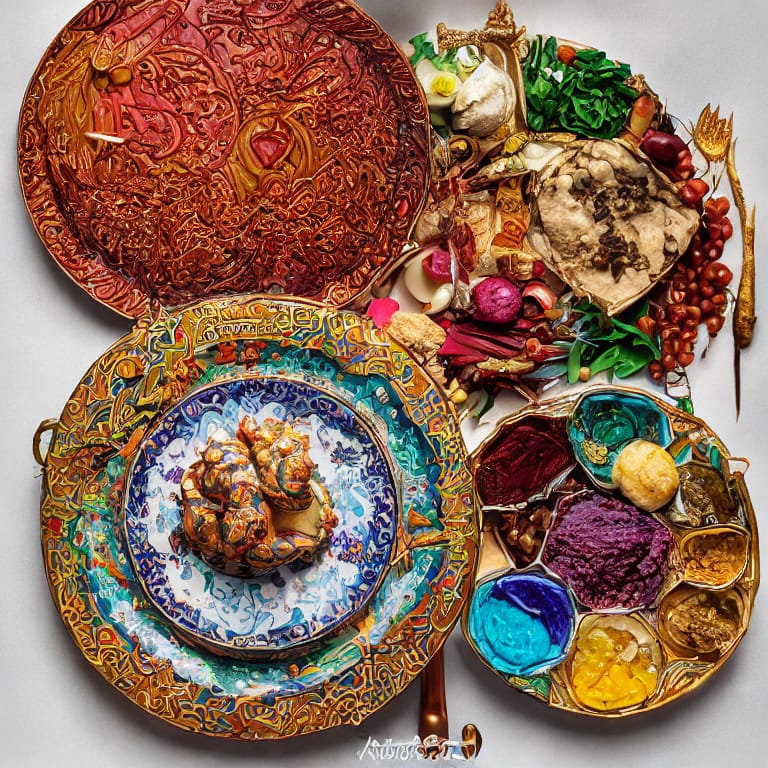
Criticism and controversies surrounding Passover are relatively rare, but they do exist. One area of contention concerns the Passover Seder, the traditional meal that takes place on the first two nights of Passover. Some individuals and groups have criticized the Seder for being exclusionary, either because it is conducted entirely in Hebrew or because its focus on Jewish history and culture may make non-Jewish guests feel uncomfortable. Critics argue that the Seder should be more inclusive and accessible to a wider range of participants.
Another source of criticism for Passover is its association with animal sacrifice, which was a part of the Passover tradition in ancient times. Although animal sacrifice is no longer practiced by Jews, some people object to the use of animal products in the Passover diet, such as the requirement that matzah (unleavened bread) be made from wheat that has not been allowed to ferment. This has led to the development of vegan and gluten-free Passover options, but the topic remains controversial.
In recent years, there have also been debates about the portrayal of Passover in popular media. Some critics contend that movies and other forms of entertainment often reinforce stereotypes about Jews and perpetuate problematic portrayals of Jewish culture. For example, some movies and TV shows depict the Seder as a stuffy, formal affair, complete with robes and chanting, while others use stereotypes about Jewish mothers dominating the festivities. These depictions have been criticized for being inaccurate and perpetuating harmful stereotypes.
Finally, Passover has also been the subject of controversy in interfaith relationships, particularly between Jewish and non-Jewish partners. Some non-Jewish partners may feel excluded or uncomfortable with Passover traditions, especially if they are not given a clear explanation of what is happening or why. This can lead to tension and misunderstandings between partners, and it highlights the importance of communication and respect in interfaith relationships.