
Palermo has a rich and varied history that spans centuries. It was founded by the Phoenicians in the 8th century BC, and throughout the centuries it has been ruled by many different peoples, including the Greeks, Romans, and Arabs.
In the 9th century, Palermo became the capital of the Arab emirate of Sicily, and during this time it flourished as a center of culture and learning. The city's architecture and art reflect the influence of the Arabs, and many of Palermo's famous landmarks, such as the Palace of the Normans and the Cathedral of Palermo, were built during this time.
By the 12th century, Palermo had become a powerful city-state with a complex political system that included a ruling elite of nobles and merchants. During this period, the city was also an important center of trade, and its markets were known throughout the Mediterranean.
In the following centuries, Palermo was ruled by a succession of powerful dynasties, including the Normans, the Swabians, and the Angevins. Each of these rulers left their mark on the city, adding new buildings and landmarks and shaping its culture and traditions.
During the Renaissance, Palermo became an important center of art and literature, and many notable figures of the time, including playwright Giovanni Verga and artist Antonello da Messina, were born or worked in the city.
In more recent times, Palermo has been a center of political and cultural upheaval, with periods of social unrest and political violence. However, despite these challenges, the city remains a vibrant and dynamic cultural center, renowned for its art, architecture, and cuisine, as well as its stunning natural beauty and rich history.
Palermo is located in southern Italy, on the northwestern coast of the island of Sicily, in the Tyrrhenian Sea. The city is located at the foot of Monte Pellegrino, and is surrounded by several hills, including the Capo and Montegrappa, which help to protect the city from the sea. Palermo is the capital of the autonomous region of Sicily and the Metropolitan City of Palermo, which covers an area of 5,009 square kilometers.
The city of Palermo is situated on a wide bay and has a natural harbor that is one of the most important in the Mediterranean. The harbor is protected by a massive breakwater, which was built in the 19th century, and is now home to a modern marina that can accommodate boats of all sizes.
Palermo is blessed with a warm Mediterranean climate, with mild temperatures throughout the year. The city is known for its hot summers, with temperatures averaging around 30°C (86°F) in July and August, and its mild winters, with temperatures rarely dropping below 10°C (50°F). The city receives an average of 262 days of sunshine per year.
The city is located in a region that is rich in natural beauty, with the Tyrrhenian Sea to the north and the majestic mountains of central Sicily to the south. The coastline around Palermo is dotted with small coves and beaches, while inland you'll find rolling hills, forests, and terraced vineyards.
Despite its location on an active seismic zone, Palermo has managed to preserve much of its magnificent historical architecture, which dates back to the Phoenicians and Greeks. The city's historic center is a UNESCO World Heritage site and is home to many palaces, churches, and other buildings of great cultural significance. With a population of around 655,000 inhabitants, Palermo is the fifth-largest city in Italy and one of its most vibrant and dynamic cultural centers.
Palermo has a Mediterranean climate, with mild, wet winters and hot, dry summers. Average temperatures range from 10°C (50°F) in January to 26°C (79°F) in August. The city is known for its long, sunny days and mild temperatures throughout the year, making it a popular tourist destination.
Winter in Palermo is fairly mild, with average temperatures hovering around 15°C (59°F) during the day and dropping to 10°C (50°F) at night. The city sees moderate rainfall during this time, with occasional storms and strong winds. The average number of rainy days in January is 10, and the total rainfall for the month is around 80mm.
Spring in Palermo is a beautiful time, with temperatures warming up and the city's gardens and parks in full bloom. March sees an average temperature of 15°C (59°F), while May sees temperatures rise to 21°C (70°F). Rainfall during spring months is moderate, and April is the wettest month with an average of 80mm of rainfall.
Summer in Palermo is hot and dry, with temperatures averaging around 26°C (79°F) during the day and rarely dropping below 20°C (68°F) at night. The city sees little to no rain during these months, making it a perfect time to visit if you're looking for warm, sunny weather. August can be particularly hot, with temperatures reaching as high as 35°C (95°F).
Autumn in Palermo is a quieter time, with temperatures cooling down and the city's beaches and parks less crowded. September sees an average temperature of 24°C (75°F), while November sees temperatures drop to around 18°C (64°F). Rainfall during autumn months is low, with October being the driest month with an average of 40mm of rain.
Overall, Palermo's climate is mild and pleasant throughout the year, with warm summers and mild winters. The city's proximity to the Mediterranean Sea helps regulate temperatures, making it an ideal destination for those seeking sun and warmth.
Palermo is home to approximately 670,000 people, making it the fifth most populous city in Italy. The city's population has fluctuated throughout history due to various political and economic factors, and it has also experienced significant immigration in recent decades.
The majority of Palermo's residents are of Italian descent, with a large percentage tracing their roots to Sicily. However, the city has also attracted immigrants from other parts of Italy as well as from North Africa, the Middle East, and Eastern Europe. As a result, Palermo has a diverse cultural and linguistic landscape, with various dialects of Italian as well as Arabic and other languages spoken throughout the city.
The city's demographic makeup has had significant effects on its social and economic development. For example, Palermo's historic center is characterized by a mix of Arab and Norman architecture, reflecting the city's rich cultural heritage. Additionally, immigrants have played a key role in the development of Palermo's economy, with many starting small businesses or working in industries such as agriculture and tourism.
Despite its economic significance, Palermo has faced numerous challenges related to its population. At times, significant waves of immigration have strained resources and contributed to social unrest. Additionally, high rates of poverty and unemployment have led many young people to emigrate from the city in search of economic opportunities elsewhere.
Despite these challenges, Palermo remains a vibrant and diverse city, with a population that continues to evolve and adapt to changing social and economic conditions. From its historic architecture to its bustling markets, Palermo reflects the rich cultural heritage of its people and offers visitors a window into the complex history and identity of southern Italy.
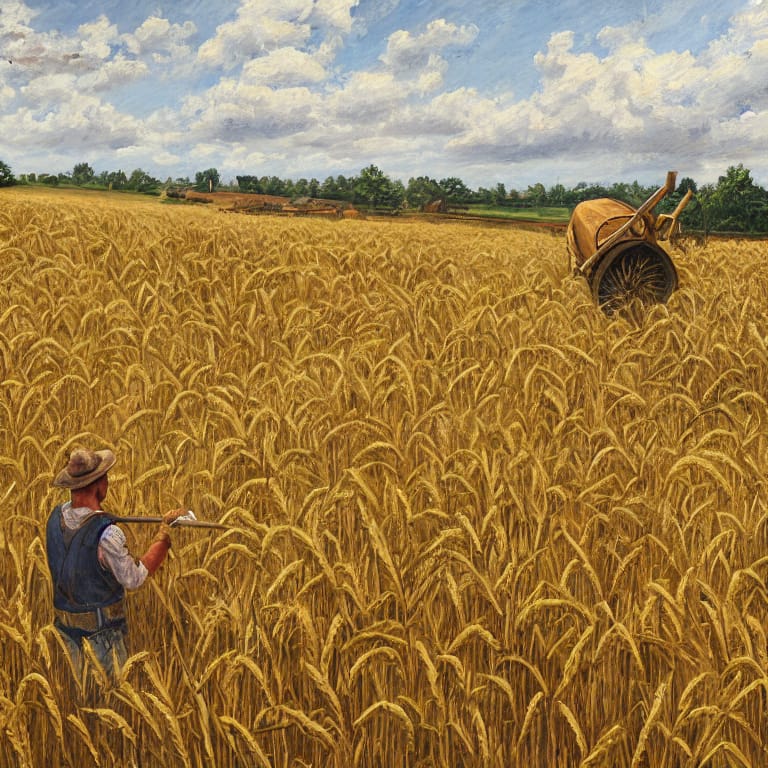
Palermo's economy is diverse and traditionally based on agriculture, fishing, and tourism. The city has a rich agricultural tradition, and its fertile lands produce a variety of crops including citrus fruits, olives, grapes, and wheat. These crops form the basis of the region's famous cuisine and have led to the development of a vibrant food culture in Palermo.
In addition to agriculture, the city also has a long-standing fishing industry. Palermo's location on the Mediterranean Sea has provided its residents with access to fish and seafood throughout history. Today, the city's commercial fishing industry primarily focuses on the production of canned and processed fish products that are sold both domestically and abroad.
Tourism is also a significant contributor to Palermo's economy. The city's rich history, cultural landmarks, museums, and religious sites, make it a popular destination for tourists from around the world. Many hotels, restaurants, and other businesses have developed to cater to the needs of tourists, providing a boost to Palermo's economy.
In recent years, the city has seen increased economic growth in the service sector, particularly in the areas of finance, telecommunications, and software development. Many international companies have established offices in Palermo, attracted by the city's relatively low operating costs, skilled workforce, and strategic location.
Despite these positive factors, Palermo continues to face challenges related to poverty, unemployment, and organized crime. The city has one of the highest unemployment rates in Italy, and crime rates are also relatively high. However, in recent years, local and national authorities have made significant efforts to combat crime and promote economic development in the city, with some success. Overall, Palermo's economy is diverse, dynamic, and growing, making it an exciting place to live and work.
Palermo is a city that is renowned for its wealth of architectural and historical landmarks. These landmarks are a testament to the rich cultural heritage of this city, which has been shaped by the influence of multiple civilizations over centuries. Some of the most impressive landmarks and architectural masterpieces found in Palermo include the Palermo Cathedral, the Quattro Canti, and the Norman Palace.
The Palermo Cathedral, also known as the Cathedral of Santa Maria Assunta, is considered one of the most iconic landmarks of this city. This stunning cathedral has undergone many transformations over the centuries, with its current structure dating back to the 18th century. Visitors to the cathedral can witness a blend of different architectural styles, including Gothic, Baroque, and Neoclassical elements.
Another landmark that draws visitors to Palermo is the Quattro Canti, also known as the Piazza Vigliena. This baroque-style square is renowned for its four striking facades, each of which represents one of the four seasons, the four Spanish kings of Sicily, the four patron saints of Palermo or the four virtues. The Quattro Canti is considered one of the most impressive examples of Baroque architecture in the city and is a popular spot for visitors and locals to gather.
The Norman Palace is a magnificent ancient palace that has been the seat of power for various rulers over the centuries. The palace was originally constructed by the Arabs in the 9th century and was later expanded and transformed by the Normans and other rulers. The palace houses the Royal Apartments, which features richly decorated rooms with frescoed ceilings and walls. Visitors to the palace can get a glimpse of the opulent lifestyle led by the rulers of Palermo over the centuries.
Overall, the landmarks and architecture found in Palermo are a testament to the city's rich and diverse history. Visitors to the city can explore its ancient past and experience the unique blend of cultures and architectural styles that have shaped this fascinating city over the centuries. Whether you are interested in history, architecture, or simply want to soak up the unique atmosphere of this beautiful city, Palermo is a must-visit destination.
Culture is an essential part of life in Palermo, and the city boasts a rich and diverse history that is reflected in its architecture, literature, music, and cuisine. The ancient Greeks, Romans, Arabs, and Normans have all left their mark on the city's cultural heritage, making it a melting pot of different styles and traditions.
One of the most remarkable features of Palermo's cultural landscape is its architecture. The city is home to an incredible array of historic buildings and monuments, including the famous Cathedral of Palermo, which dates back to the 12th century. The Gothic-inspired Palazzo dei Normanni and the imposing Palermo Botanical Garden are just a few of the other must-see landmarks that draw visitors to the city.
Literature and music are also integral parts of Palermo's cultural identity. The city has produced a number of internationally renowned writers, including Leonardo Sciascia, whose novels shed light on the corruption and social inequalities of Sicilian society. In the world of music, Palermo is known for its vibrant folk tradition, with lively Tarantella and Pizzica dances continuing to be performed at festivals and celebrations throughout the year.
Food is another significant aspect of Palermo's cultural heritage. The city's culinary scene is heavily influenced by its proximity to North Africa and the Mediterranean, with flavors and ingredients that are both diverse and distinctly Sicilian. Some of the must-try dishes in Palermo include street foods like panelle (chickpea fritters) and arancine (rice balls), as well as seafood dishes like spaghetti alle vongole (spaghetti with clams) and sarde a beccafico (sardines stuffed with breadcrumbs, raisins, and pine nuts).
Overall, Palermo offers a unique blend of history, art, literature, music, and food that is sure to captivate visitors from around the world. Whether you're a culture buff or a foodie at heart, this vibrant city is not to be missed.
Palermo is home to a number of reputable universities and schools, with a rich history of education dating back centuries. The University of Palermo, founded in 1806, is the largest university in Sicily and one of the oldest in Italy. It offers a wide range of courses and programs, including law, engineering, medicine, natural sciences, humanities, and social sciences. The university has several faculties, including the Faculty of Medicine and Surgery, the Faculty of Economics, and the Faculty of Engineering, and is known for its research in areas such as medicine, physics, and mathematics.
Palermo is also home to the Conservatory of Music Vincenzo Bellini, a renowned institution that traces its roots back to the 1700s. The conservatory offers courses in music theory, composition, conducting, and a variety of instruments, with a focus on classical music. Notable alumni of the conservatory include the composer Francesco Paolo Tosti, as well as many prominent opera singers.
In addition to the university and the conservatory, Palermo has a number of other educational institutions, including several public and private schools for primary and secondary education. The Italian school system is divided into three levels: scuola primaria (primary school), scuola secondaria di primo grado (lower secondary school), and scuola secondaria di secondo grado (upper secondary school). The city has a variety of schools at each level, offering a wide range of subjects and programs.
Palermo also has a long history of education outside of formal institutions. The city has numerous libraries, dating back to the medieval period, that are home to important collections of rare books and manuscripts. The Biblioteca Centrale della Regione Siciliana, located in the historic center of Palermo, is one of the most important libraries in the region, with a collection of over 1.5 million volumes. The city also has a number of museums and cultural institutions that offer educational programs and opportunities for lifelong learning.
Overall, Palermo's rich history and culture make it an ideal location for pursuing education at all levels, with a variety of institutions and resources available to students and lifelong learners alike.
Cuisine in Palermo is a fusion of cultures and traditions, reflecting the city's diverse history. Being located in the heart of the Mediterranean, Palermo enjoys a rich culinary tradition that is influenced by the ancient Greeks, Romans, Arabs, and Normans who ruled over Sicily at different times in history. Sicilian cuisine is known for being hearty, rustic and full-flavored, with the use of fresh, local ingredients, and Palermo is no exception.
One of the signature dishes of Palermo is arancini, deep-fried rice balls made with saffron, tomato sauce, and either meat or cheese, coated in breadcrumbs. Another iconic dish is pasta con le sarde, a pasta dish made with sardines, pine nuts, raisins, and fennel. Palermo's street food is also a must-try experience, with stalls selling traditional treats such as panelle, crocchè, sfincione, and pani ca' meusa. Panelle are chickpea fritters, crocchè are potato croquettes, sfincione is a type of pizza with tomato sauce, onions, and breadcrumbs, and pani ca' meusa is a sandwich with boiled beef spleen and lung, grated caciocavallo cheese, and lemon juice.
Seafood is another highlight of Palermo's cuisine, with tuna, swordfish, and anchovies featuring heavily in many dishes. Grilled seafood is also a popular choice, with octopus, squid, and prawns being favorites. In addition, Palermo is famous for its street markets, such as the Vucciria and Ballarò, where visitors can find a variety of fresh produce, meat, cheese, and fish, all of which can be used to create delicious Sicilian dishes.
Sicilian desserts are also a big part of Palermo's culinary culture, with the famous cannoli being a must-try delicacy. These tube-shaped fried pastries are filled with ricotta cheese, and sometimes pieces of candied fruit, chocolate chips, or pistachios. Cassata is another famous dessert, which consists of sponge cake filled with sweetened ricotta cheese and flavored with candied fruit and marzipan. Granite, flavored crushed ice, and sorbets are also popular in Palermo, especially during the hot summer months.
In conclusion, Palermo's cuisine is a reflection of the city's rich cultural heritage, with diverse flavors and dishes that are sure to satisfy any palate. Visitors to the city should take the time to sample the city's street food, visit the local markets, and indulge in the many delicious seafood and meat dishes that are on offer.
Sports play a significant role in the culture of Palermo. One of the most popular sports in the city is football. The Palermo Football Club, commonly known as Palermo, is the city's most significant team, having been founded in 1900. The team has a long history and is known for its passionate supporters, who fill the Stadio Renzo Barbera, the team's home stadium, with chants and cheers during matches.
Palermo has experienced many ups and downs in their history, with their greatest period of success coming in the 21st century when they managed to qualify for European competition several times under the leadership of Maurizio Zamparini. However, the team has also faced many challenges, including relegation to Serie B in 2013 and subsequent struggles to regain their place in Serie A. Despite these setbacks, Palermo’s loyal supporters remain dedicated to their team.
In addition to football, Palermo is also home to a variety of other sports. Basketball is a popular sport in the city, and the professional team of Palermo Basketball plays in Serie A2. The city has also hosted several international sporting events, including the World Shooting Championships and World Fencing Championships. The city is also known for its athletics, with several middle and long-distance runners achieving success at national and international levels.
Furthermore, Palermo's proximity to the sea makes it an ideal location for water sports. Sailing and rowing are popular activities for locals and tourists alike, and the city has hosted several international sailing regattas in recent years.
Sports culture in Palermo is not just limited to watching and participating in sports. Many sports bars and cafes can be found throughout the city, providing a vibrant atmosphere for sports enthusiasts to come together and discuss their favorite teams and athletes. Overall, the sports culture in Palermo is a significant aspect of the city's identity, and its residents take great pride in their local teams and athletes.

The transportation infrastructure in Palermo is well-developed and diverse, with various modes of transportation including trains, buses, taxis, and even a modern tram system. The city is served by multiple airports including the Palermo International Airport, also known as Falcone-Borsellino Airport, which is located approximately 35 km west of the city center. The airport provides flights to various international and domestic destinations, making it easy to access Palermo from other parts of the world.
In addition to air travel, Palermo is also accessible by train, with the city's main station, Palermo Centrale, serving as a hub for various regional and national destinations. Trains operate daily from Palermo to other major cities in Italy, including Rome, Milan, and Naples. Local trains also connect Palermo with other cities and towns in Sicily.
For those who prefer to travel by bus, Palermo has an extensive public transportation system with both urban and suburban bus routes. The main bus station, Piazza Giulio Cesare, is located in the city center and serves as a hub for various local and regional buses.
In recent years, Palermo has also introduced a modern and efficient tram system, which connects the city center with the western suburbs. Known as the Palermo Tram, this system features sleek and modern trams that run on dedicated tracks, making it easy to get around the city quickly and efficiently.
For those looking for more personalized transportation options, Palermo has plenty of taxi services available, with taxis easily hailed from the street or through a mobile app. In addition, car and scooter rentals are also available for those who want to explore the city and its surroundings on their own. Overall, Palermo's transportation infrastructure is well-developed and easy to navigate, making it a great destination for travelers looking to explore the city and its many attractions.
Government and politics in Palermo are primarily governed by the city's mayor, the city council, and the regional government of Sicily. The current mayor of Palermo is Leoluca Orlando, who has served since 2012. Orlando is a member of the Democratic Party and has been instrumental in implementing reforms aimed at improving the city's economy and reducing corruption.
The city council of Palermo is responsible for enacting local laws and regulations, managing public services, and overseeing the city's budget. The council is composed of 40 members who are elected every five years by the city's residents. The council is presided over by the city's mayor and includes members from various political parties.
The region of Sicily also plays an important role in governing Palermo. The regional government is responsible for overseeing regional policies and distributing funding to local municipalities. The president of the region of Sicily, currently Nello Musumeci, is responsible for appointing a commissioner to oversee the city of Palermo's affairs and ensure that the city is in compliance with regional regulations.
Palermo has historically been politically active, with a long tradition of socialist and communist politics. The city has also been a stronghold for the mafia, which has had a major influence on local politics for many years. In recent years, however, Palermo has made significant progress in combatting organized crime and reducing corruption, under the leadership of Mayor Orlando.
Overall, Palermo's government and politics are complex and involve multiple levels of government. While the city has faced significant challenges in the past, recent reforms and initiatives have helped to improve the city's governance and strengthen its democratic institutions.
Palermo is a global city that has developed strong international ties with other cities around the world. As a result, the city has several sister cities, which are cities that have formed a special relationship to promote cultural, economic, and social cooperation. These sister cities have become important partners in many fields, including education, tourism, business, and culture.
One of Palermo's sister cities is Tunis, the capital city of Tunisia. Palermo and Tunis have a deep cultural relationship that dates back centuries. Palermo and Tunis are both Mediterranean cities with strong linkages to their respective histories and cultures, and these similarities have allowed for a deep cultural exchange between the two cities. The relationship between Palermo and Tunis has flourished in recent years, with partnerships in education, tourism, and business.
Another one of Palermo's sister cities is Valletta, the capital city of Malta. Valletta is another historic Mediterranean city that shares a rich cultural history with Palermo, and the two cities have worked together to promote cultural exchange and cooperation in fields like education and tourism. Palermo and Valletta have also formed partnerships in business, with many companies and organizations in both cities working together to create economic opportunities for both regions.
The third sister city of Palermo is Malmö, a city in Sweden. Malmö and Palermo have formed a unique partnership focused on promoting social inclusion and diversity. Palermo and Malmö have shared experiences around issues like immigration, integration, and social justice, and have worked together to develop innovative programs and projects that promote inclusion and equality. This partnership has been a model for other cities around the world, and has been recognized for its impact and success.
Overall, Palermo's sister cities are an important aspect of the city's international relationships and cooperation. These cities are promoting cultural exchange, economic development, and social inclusion, and serve as important partners in the growth and development of Palermo as a global city.