
Niue is a small self-governing island country located in the South Pacific Ocean. It is situated approximately 2,400 kilometers northeast of New Zealand and around 600 kilometers south of the Samoan Islands. The island is often referred to as "The Rock" and has a total land area of just 259 square kilometers. Despite its small size, Niue is known for its stunning landscapes, crystal-clear waters, and unique culture that has been preserved for generations.
Niue is home to just over 1,600 people, the vast majority of whom are of Polynesian descent. The people of Niue are known for their warmth and hospitality, and visitors to the island often leave with a strong sense of community and connection to the local culture. The official language of Niue is English, although many residents also speak Niuean – a Polynesian language that is closely related to Tongan and Samoan.
The island's terrain is dominated by a central plateau that is surrounded by raised coral cliffs. These cliffs, which can soar up to 30 meters in some places, provide a dramatic backdrop to the island's tropical forests and pristine beaches. The waters around Niue are also home to an array of marine life, including whales, dolphins, and a variety of fish and coral species.
Despite its small size, Niue has a vibrant economy that is driven by tourism and agriculture. The island is known for its organic agriculture practices, with farmers producing a range of crops including taro, yams, and bananas. Visitors to Niue can also enjoy a range of outdoor activities, including diving, snorkeling, and hiking.
Niue also has a unique political status. The island is self-governing, which means that it has a government and parliament of its own. However, it maintains a close relationship with New Zealand, which provides financial and other forms of support. This close relationship has helped to ensure that Niue is able to maintain its unique culture and way of life while also benefiting from the resources and expertise of a larger partner.
Niue's history dates back to at least 1000 AD, according to oral tradition, when it was settled by Polynesians from Samoa and Tonga. The island remained isolated from European contact until Captain James Cook's visit in 1774. Cook named the island "Savage Island" due to the fierce resistance he encountered from the Niueans. The islanders were able to maintain their independence and culture through a combination of strategic alliances and resistance to Western influence.
In the late 19th century, Niue became a British protectorate, with the islanders recognizing Queen Victoria as their sovereign. This arrangement gave the islanders significant autonomy but also exposed them to missionaries who sought to convert them to Christianity. Despite this pressure, many Niueans retained their traditional beliefs and customs.
During World War II, the United States used Niue as a base for their operations in the Pacific theater. After the war, Niueans became New Zealand citizens and the island became a self-governing territory in free association with New Zealand in 1974. Niue has maintained a strong sense of cultural identity while also benefiting from New Zealand's support and assistance in areas such as health care, education, and infrastructure development.
In the late 20th and early 21st centuries, Niue faced economic challenges due to its small size and limited natural resources. The government has pursued a range of initiatives to boost the island's economy, including developing the tourism industry and promoting the cultivation of noni fruit for export. Despite these efforts, Niue remains one of the world's smallest and least populous countries, with a population of just over 1,600 people. However, it continues to thrive as a unique and vibrant cultural and natural destination.
Niue is a small island country located in the South Pacific Ocean, with a total land area of just 261 square kilometers. It is situated around 2,400 kilometers northeast of New Zealand and 480 kilometers east of Tonga. The island is commonly referred to as "The Rock" and was formed around 60 million years ago from a volcanic eruption. The island's unique geography features a limestone cliff and coastal terrace that adds to its distinctiveness.
The coastline of Niue stretches around 64 kilometers, and its terrain is dominated by coral limestone rock formations. The island's topography is characterized by caves, chasms, and natural arches. There are also many sea tracks and pools that are formed in the porous rock formation, where one can snorkel and explore its underwater life, including corals and fish. The island has no permanent rivers, but there are some streams and freshwater springs which are used by locals for their daily needs.
The highest peak of Niue is the Mutalau Taga, which stands at 69 meters above sea level, and one can have a spectacular view of the whole island from here. The island has a central plateau that rises from the coast in the form of a stepped terrace, and the elevation rises gradually as one moves inland. The plateau is covered with dense, lush vegetation and comprises various small valleys that provide habitat for native birds.
The limestone cliffs that Niue is famous for can be found on the western edge of the island and are a result of years of erosion by the relentless waves of the Pacific. The cliffs are home to various sea birds that have adapted to the island's terrain and are the main attraction for visitors. The island is also surrounded by a coral reef, which provides protection to the island from the Pacific waves.
In conclusion, Niue is a beautiful island country with a unique geography of limestone cliffs and a coastal terrace that sets it apart from other Pacific nations. The island's beautiful topography features dense vegetation, small valleys, and breathtaking panoramas of the Pacific.
Niue has a tropical climate with high temperatures and humidity all year round, and a relatively consistent rainfall pattern. However, due to its location in the South Pacific, it is also subject to tropical cyclones, which can cause significant damage to the island. Unlike some other tropical islands, Niue is fairly dry, with an average annual rainfall of around 2,000 millimeters.
The temperature on Niue is typically around 25-30°C (77-86°F) during the day, and drops only slightly at night. However, the humidity can make it feel much hotter, especially during the wet season when temperatures can soar to 35°C (95°F) or more. The trade winds help to keep temperatures down, but they also drive the occasional cyclone or hurricane towards the island.
The wet season on Niue runs from November to April, with the hottest and most humid weather occurring in December to February. During this time, the island can experience heavy downpours and thunderstorms, which can cause flooding and landslides. The dry season runs from May to October, with less rainfall and cooler temperatures, making it a popular time for tourists to visit.
Despite its tropical climate, Niue is not heavily affected by the El Niño Southern Oscillation, which causes extreme weather events in many other parts of the Pacific. However, climate change is still a concern, with rising sea levels and more frequent storms potentially threatening the island's infrastructure and way of life. The Niue government has taken steps to address these issues, including the installation of sea walls and the development of renewable energy sources.
Flora and fauna in Niue are diverse and unique due to the country's isolation in the South Pacific. The tropical climate and fertile soil have allowed a variety of plant species to thrive, including many endemic to the island. The island's forests are dominated by native species like the kanava tree, screw pine, coconut palm, and pandanus. These trees and shrubs provide habitat for a diverse range of fauna, including land birds, insects, and reptiles.
The bird population of Niue includes several endemic species like the Niuean starling, a small passerine bird with dark plumage and a distinctive yellow eye-ring. Other bird species found on the island include the common myna, Pacific swallow, and long-tailed cuckoo. The island's coastal waters are teeming with marine life, including humpback whales, dolphins, and various species of sharks.
Insect life on Niue is also diverse, with many species of butterflies, moths, and beetles found throughout the island. Many of these insects play an important role in the island's ecosystem, serving as pollinators or serving as a food source for other animals, including birds and reptiles. Despite the diversity of plant and animal life on Niue, the island's isolation and small human population have helped protect many species from human encroachment and habitat destruction.
However, Niue is not immune to environmental challenges, including the threat of invasive species. Some invasive species, like the common myna bird, have established themselves on the island and compete with native bird species for resources. Additionally, the introduction of non-native plant species has altered the island's vegetation composition.
In recent years, the government of Niue has taken steps to protect and conserve the island's biodiversity. Efforts include conservation programs to preserve the island's native flora and fauna, as well as initiatives to control invasive species. These conservation efforts, coupled with the naturally resilient nature of Niue's ecosystem, offer hope for the continued health and diversity of the island's natural environment in the future.
Niue is a self-governing island nation located in the South Pacific Ocean. The island is divided into 14 villages, each of which has its own village council. These councils serve as the primary administrative units of the country, handling local issues such as waste management, community projects, and dispute resolution.
Each village council is led by a elected mayor or village committee chairman. The selection process for these positions is based on traditional customs and the individual's qualifications. The mayor or village chairman is responsible for presiding over council meetings, overseeing the implementation of village projects, and representing the interests of their village to the national government.
The 14 villages of Niue are Alofi North, Alofi South, Hakupu, Hikutavake, Lakepa, Makefu, Mutalau, Namukulu, Avatele, Tamakautoga, Tuapa, Liku, Toi, and Vaiea. Each village has its own distinct personality, as well as unique cultural and historical landmarks. For example, the village of Vaiea is located near the Togo Chasm, a popular tourist destination with a 30-meter drop and a freshwater swimming hole.
Despite the fact that Niue only has 14 villages, the country is politically divided into three electoral constituencies: Alofi North, Alofi South, and the Common Roll. The Common Roll is representative of the remaining 12 villages, with voters from these villages selecting two members of Parliament to represent them in the Legislative Assembly of Niue. The two members from Alofi North and South are selected through direct elections.
In summary, while Niue may be a small island nation with only 14 villages, it has a well-established system for governing these villages and making decisions at the national level. The island's unique blend of traditional customs and modern democratic practices ensures that each village has a voice in how the country is run.
Niue has a tropical climate with high temperatures and humidity all year round, and a relatively consistent rainfall pattern. However, due to its location in the South Pacific, it is also subject to tropical cyclones, which can cause significant damage to the island. Unlike some other tropical islands, Niue is fairly dry, with an average annual rainfall of around 2,000 millimeters.
The temperature on Niue is typically around 25-30°C (77-86°F) during the day, and drops only slightly at night. However, the humidity can make it feel much hotter, especially during the wet season when temperatures can soar to 35°C (95°F) or more. The trade winds help to keep temperatures down, but they also drive the occasional cyclone or hurricane towards the island.
The wet season on Niue runs from November to April, with the hottest and most humid weather occurring in December to February. During this time, the island can experience heavy downpours and thunderstorms, which can cause flooding and landslides. The dry season runs from May to October, with less rainfall and cooler temperatures, making it a popular time for tourists to visit.
Despite its tropical climate, Niue is not heavily affected by the El Niño Southern Oscillation, which causes extreme weather events in many other parts of the Pacific. However, climate change is still a concern, with rising sea levels and more frequent storms potentially threatening the island's infrastructure and way of life. The Niue government has taken steps to address these issues, including the installation of sea walls and the development of renewable energy sources.

Flora and fauna in Niue are diverse and unique due to the country's isolation in the South Pacific. The tropical climate and fertile soil have allowed a variety of plant species to thrive, including many endemic to the island. The island's forests are dominated by native species like the kanava tree, screw pine, coconut palm, and pandanus. These trees and shrubs provide habitat for a diverse range of fauna, including land birds, insects, and reptiles.
The bird population of Niue includes several endemic species like the Niuean starling, a small passerine bird with dark plumage and a distinctive yellow eye-ring. Other bird species found on the island include the common myna, Pacific swallow, and long-tailed cuckoo. The island's coastal waters are teeming with marine life, including humpback whales, dolphins, and various species of sharks.
Insect life on Niue is also diverse, with many species of butterflies, moths, and beetles found throughout the island. Many of these insects play an important role in the island's ecosystem, serving as pollinators or serving as a food source for other animals, including birds and reptiles. Despite the diversity of plant and animal life on Niue, the island's isolation and small human population have helped protect many species from human encroachment and habitat destruction.
However, Niue is not immune to environmental challenges, including the threat of invasive species. Some invasive species, like the common myna bird, have established themselves on the island and compete with native bird species for resources. Additionally, the introduction of non-native plant species has altered the island's vegetation composition.
In recent years, the government of Niue has taken steps to protect and conserve the island's biodiversity. Efforts include conservation programs to preserve the island's native flora and fauna, as well as initiatives to control invasive species. These conservation efforts, coupled with the naturally resilient nature of Niue's ecosystem, offer hope for the continued health and diversity of the island's natural environment in the future.
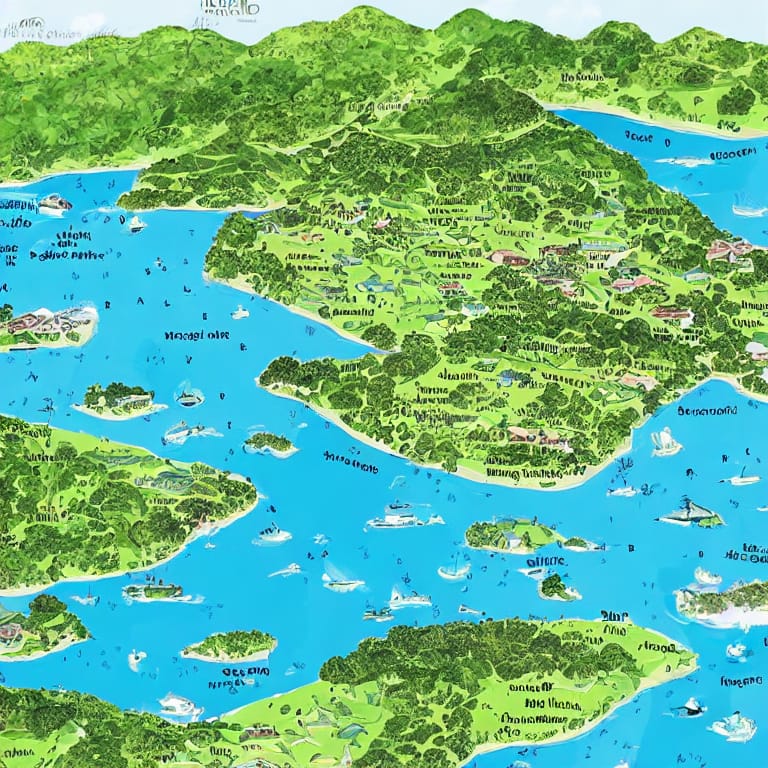
Niue is a self-governing island nation located in the South Pacific Ocean. The island is divided into 14 villages, each of which has its own village council. These councils serve as the primary administrative units of the country, handling local issues such as waste management, community projects, and dispute resolution.
Each village council is led by a elected mayor or village committee chairman. The selection process for these positions is based on traditional customs and the individual's qualifications. The mayor or village chairman is responsible for presiding over council meetings, overseeing the implementation of village projects, and representing the interests of their village to the national government.
The 14 villages of Niue are Alofi North, Alofi South, Hakupu, Hikutavake, Lakepa, Makefu, Mutalau, Namukulu, Avatele, Tamakautoga, Tuapa, Liku, Toi, and Vaiea. Each village has its own distinct personality, as well as unique cultural and historical landmarks. For example, the village of Vaiea is located near the Togo Chasm, a popular tourist destination with a 30-meter drop and a freshwater swimming hole.
Despite the fact that Niue only has 14 villages, the country is politically divided into three electoral constituencies: Alofi North, Alofi South, and the Common Roll. The Common Roll is representative of the remaining 12 villages, with voters from these villages selecting two members of Parliament to represent them in the Legislative Assembly of Niue. The two members from Alofi North and South are selected through direct elections.
In summary, while Niue may be a small island nation with only 14 villages, it has a well-established system for governing these villages and making decisions at the national level. The island's unique blend of traditional customs and modern democratic practices ensures that each village has a voice in how the country is run.
Niue has a small population, with a total of around 1,700 people as of 2021. Most of them are ethnic Niueans, who are Polynesian in origin, with some also having European ancestry. Niue also has a significant diaspora overseas, particularly in New Zealand.
The Niuean language is the official language of Niue, alongside English, which is widely spoken and used in schools, government, and business. The Niuean language has its own distinct dialect, which differs from other Polynesian languages, and is written in a unique script, known as the Niuean alphabet.
Religion is an important aspect of Niuean culture, with the majority of the population being Christian. The largest denomination on the island is the Ekalesia Niue (Niuean Church), which is a blend of traditional Niuean culture and Christianity. Other Christian denominations on the island include the Seventh-day Adventist Church, the Church of Jesus Christ of Latter-day Saints (Mormons), and the Roman Catholic Church.
Niue has a relatively high standard of living compared to other Pacific island countries, largely due to its strong ties with New Zealand. The economy is largely reliant on aid from New Zealand, remittances from Niueans living overseas, and tourism. The government provides free healthcare and education to its citizens, with Niue having a literacy rate of around 99%.
Despite its small size, Niue has a rich cultural heritage, with traditional arts and crafts, such as weaving and carving, still practised on the island. The Niuean cultural festival, Mea tau, is held every three years and features traditional dances, songs, and games. The festival is an important celebration of Niuean culture and attracts visitors from around the world.
Niue is a small island nation located in the South Pacific. It has a very small population, which is predominantly made up of Polynesians. The ethnic makeup of Niue is unique, as its people are descended from a mix of Tongan and Samoan ancestry.
The population of Niue is very small and tightly knit, with many extended family groups living together in the same villages. This has helped to maintain a strong sense of community and a shared cultural identity. The people of Niue are known for their hospitality, and visitors to the island are often welcomed warmly by the local people.
In terms of religion, the majority of the population of Niue are Christians. However, there are also small numbers of people who follow other faiths, including followers of the Baha'i Faith and the Bahá'í Faith.
While Niue is a small island nation, it has a rich cultural history that is rooted in its Polynesian heritage. The Niuean language, which is closely related to the Samoan language, is still spoken by many on the island, and traditional cultural practices are still an important part of daily life for many Niueans.
Overall, the ethnic makeup of Niue is unique and closely tied to its Polynesian heritage. Despite being a small nation, the people of Niue have a rich cultural history that is still celebrated and maintained today.
The people of Niue practice Christianity, with the two main denominations being the Ekalesia Niue (Niue Church) and the Free Wesleyan Church of Niue. Both of these churches are Protestant and adhere to traditional Christian beliefs and practices.
The Ekalesia Niue was established in the late 19th century when the London Missionary Society sent missionaries to the island to spread Christianity. The church has been an integral part of Niuean life ever since and continues to be the dominant Christian denomination on the island. The church is led by a President, who is elected by the church's members, and maintains close ties with other churches in the region.
The Free Wesleyan Church of Niue was established in the early 20th century and is the second-largest Christian denomination on the island. The church has its roots in the Wesleyan Methodist Church and adheres to the teachings of John Wesley. The church is led by a Head Minister and has its own theological seminary, which trains Niuean pastors and church leaders.
In addition to these two major Christian denominations, there are also small groups of Catholics and Seventh-day Adventists on the island. The Catholic Church has a small presence on Niue and is primarily made up of Tuvaluan and Samoan immigrants who have settled on the island. The Seventh-day Adventist Church is also present on Niue, but in small numbers.
Traditional Niuean religion, which is based on ancestor worship and belief in supernatural beings, still exists on the island, but to a much lesser extent than in the past. Many Niueans have integrated elements of their traditional religion into their Christian faith, resulting in a unique blend of beliefs and practices.
Overall, the people of Niue are deeply religious and take their faith seriously. Church attendance is high, and religious holidays and festivals are important events on the island's calendar. Christianity has played a central role in Niuean society for over a century and continues to be a major aspect of life for the majority of the island's population.
Niue is a small island nation located in the South Pacific, known for its unique terrains and limestone cliffs. The nation recognizes both English and Niuean as its official languages, although most of its residents speak a local dialect of the Niuean language. The Niuean language, also known as Niuē, is a Polynesian language that owes its roots to Tongan and Samoan.
The Niuean language is a fascinating language to study, as it is one of the rarest languages in the world today. It is spoken fluently by only 10,000 individuals worldwide, and its usage is declining every year. As a result, the Niuean government has introduced various initiatives to preserve this unique language.
Despite the efforts of the Niuean government, the Niuean language still faces many challenges. The younger generation, in particular, has been found to not speak the language fluently. The Niuean government is, however, working towards creating more programs and resources to help preserve and promote the language.
Apart from the Niuean language, English is also widely spoken on the island. English is the language of instruction in schools, and most government proceedings and communication are done in English. As a result, most of the younger generations on the island speak English fluently.
In the early days of colonisation, the missionaries became the primary educators across the South Pacific, and Niue was no different. It resulted in the English language dominance in schools, churches, and other areas of public where the missionaries carried their teachings. The role of the local languages then was relegated to the domestic sphere. The younger generation, in particular, has become more fluent in English than in their native language.
Despite the challenges faced by the Niuean language, it remains an essential part of the island nation's cultural heritage. The government has put measures in place to ensure that it survives well into the future, through religious institutions, educational systems, and social media platforms. Additionally, there is a concerted effort to seek UNESCO's recognition of the Niuean language as an official world language.
Niue is a small island nation located in the South Pacific. It has a very small population, which is predominantly made up of Polynesians. The ethnic makeup of Niue is unique, as its people are descended from a mix of Tongan and Samoan ancestry.
The population of Niue is very small and tightly knit, with many extended family groups living together in the same villages. This has helped to maintain a strong sense of community and a shared cultural identity. The people of Niue are known for their hospitality, and visitors to the island are often welcomed warmly by the local people.
In terms of religion, the majority of the population of Niue are Christians. However, there are also small numbers of people who follow other faiths, including followers of the Baha'i Faith and the Bahá'í Faith.
While Niue is a small island nation, it has a rich cultural history that is rooted in its Polynesian heritage. The Niuean language, which is closely related to the Samoan language, is still spoken by many on the island, and traditional cultural practices are still an important part of daily life for many Niueans.
Overall, the ethnic makeup of Niue is unique and closely tied to its Polynesian heritage. Despite being a small nation, the people of Niue have a rich cultural history that is still celebrated and maintained today.
The people of Niue practice Christianity, with the two main denominations being the Ekalesia Niue (Niue Church) and the Free Wesleyan Church of Niue. Both of these churches are Protestant and adhere to traditional Christian beliefs and practices.
The Ekalesia Niue was established in the late 19th century when the London Missionary Society sent missionaries to the island to spread Christianity. The church has been an integral part of Niuean life ever since and continues to be the dominant Christian denomination on the island. The church is led by a President, who is elected by the church's members, and maintains close ties with other churches in the region.
The Free Wesleyan Church of Niue was established in the early 20th century and is the second-largest Christian denomination on the island. The church has its roots in the Wesleyan Methodist Church and adheres to the teachings of John Wesley. The church is led by a Head Minister and has its own theological seminary, which trains Niuean pastors and church leaders.
In addition to these two major Christian denominations, there are also small groups of Catholics and Seventh-day Adventists on the island. The Catholic Church has a small presence on Niue and is primarily made up of Tuvaluan and Samoan immigrants who have settled on the island. The Seventh-day Adventist Church is also present on Niue, but in small numbers.
Traditional Niuean religion, which is based on ancestor worship and belief in supernatural beings, still exists on the island, but to a much lesser extent than in the past. Many Niueans have integrated elements of their traditional religion into their Christian faith, resulting in a unique blend of beliefs and practices.
Overall, the people of Niue are deeply religious and take their faith seriously. Church attendance is high, and religious holidays and festivals are important events on the island's calendar. Christianity has played a central role in Niuean society for over a century and continues to be a major aspect of life for the majority of the island's population.
Niue is a small island nation located in the South Pacific, known for its unique terrains and limestone cliffs. The nation recognizes both English and Niuean as its official languages, although most of its residents speak a local dialect of the Niuean language. The Niuean language, also known as Niuē, is a Polynesian language that owes its roots to Tongan and Samoan.
The Niuean language is a fascinating language to study, as it is one of the rarest languages in the world today. It is spoken fluently by only 10,000 individuals worldwide, and its usage is declining every year. As a result, the Niuean government has introduced various initiatives to preserve this unique language.
Despite the efforts of the Niuean government, the Niuean language still faces many challenges. The younger generation, in particular, has been found to not speak the language fluently. The Niuean government is, however, working towards creating more programs and resources to help preserve and promote the language.
Apart from the Niuean language, English is also widely spoken on the island. English is the language of instruction in schools, and most government proceedings and communication are done in English. As a result, most of the younger generations on the island speak English fluently.
In the early days of colonisation, the missionaries became the primary educators across the South Pacific, and Niue was no different. It resulted in the English language dominance in schools, churches, and other areas of public where the missionaries carried their teachings. The role of the local languages then was relegated to the domestic sphere. The younger generation, in particular, has become more fluent in English than in their native language.
Despite the challenges faced by the Niuean language, it remains an essential part of the island nation's cultural heritage. The government has put measures in place to ensure that it survives well into the future, through religious institutions, educational systems, and social media platforms. Additionally, there is a concerted effort to seek UNESCO's recognition of the Niuean language as an official world language.

Niue is a self-governing territory in free association with New Zealand, which means that Niue is responsible for most of its internal affairs, while New Zealand provides key foreign policy, defence, and economic assistance. The framework for Niue's governance is set out in the Niue Constitution Act, which was enacted in 1974, and amended in 2007.
The head of state of Niue is the monarch of New Zealand, currently Queen Elizabeth II, represented in Niue by the Governor-General of New Zealand. The Queen's constitutional role is largely ceremonial, and her powers are exercised by the Governor-General on her behalf. The Governor-General appoints the Premier (the head of government) and the Cabinet, who are responsible for the day-to-day governance of Niue.
The Niue Legislative Assembly is unicameral, and consists of 20 members elected every three years. 14 of these members are elected by the constituencies (14 villages) under the First Past the Post electoral system, while the remaining 6 members are elected by the common roll. The common roll consists of all eligible voters who are not registered in one of the 14 constituencies.
In terms of political parties, Niue has a non-partisan political system, which means that political parties are not officially recognised, and candidates run as independents. However, there are usually informal groupings of members in the Legislative Assembly who share political views and work together on policy issues.
The Premier of Niue is selected by members of the Legislative Assembly, and is usually the leader of the largest grouping of members. The Premier then selects the Cabinet, which must be approved by the Legislative Assembly. The Cabinet consists of four members, including the Premier, and is responsible for the administration of government departments and the development of policy.
Niue also has its own judicial system, which is independent of New Zealand's. The High Court of Niue is the superior court of record, and hears criminal and civil cases. Appeals from the High Court are heard by the Court of Appeal of New Zealand. Niue also has its own Court of Review, which hears appeals from lower courts and other administrative bodies.
Overall, Niue's governance system is designed to balance local autonomy with the need for external support and representation. The island's small size and limited resources make this a delicate balancing act, but Niue's leaders and citizens have worked hard to develop a durable and sustainable democracy.
Politics in Niue operates within the framework of a parliamentary representative democratic dependency. Niue is self-governing, but it is in a free association with New Zealand, which means that New Zealand is responsible for defense and foreign affairs, as well as providing economic assistance to Niue. The head of state is the monarch of New Zealand, and is represented in Niue by the Governor-General of New Zealand. The Governor-General also serves as the liaison between the Niue government and New Zealand.
The Legislative Assembly of Niue has 20 members, with 14 members elected by the people of Niue and 6 members appointed by the monarch of New Zealand. Members of the Legislative Assembly, who are based in the capital, Alofi, are elected for three-year terms, and the speaker is elected from among the members. Niue has a non-partisan political system, with members of the Legislative Assembly being elected as independent candidates.
The Premier is the head of government, and is appointed by the Speaker of the Legislative Assembly. The Premier then selects 3 other members of the Legislative Assembly to form a Cabinet, which acts as the executive branch of the government. The current Premier of Niue is Dalton Tagelagi, who took office in June 2020.
Niue's legal system is based on the laws of New Zealand, and Niue has its own court system consisting of a High Court and a Court of Appeal. The High Court is presided over by a judge appointed by the Governor-General of New Zealand, while the Court of Appeal is made up of judges from New Zealand's Court of Appeal.
In addition to its own government, Niue has a number of local councils, including the Island Councils, which are responsible for local government at the village level. The councils are made up of elected representatives, and have powers in areas such as waste management, road maintenance, and water supply.
Overall, Niue's political system is stable and non-partisan, with an emphasis on consensus-building and cooperation between the different branches of government. Despite its small size, Niue is able to govern itself effectively and has a strong sense of national identity and pride.
Niue has a Western-style legal system based on New Zealand law, which operates in parallel with customary law. The Niue High Court is the highest court on the island and has jurisdiction over both criminal and civil matters. The court is staffed by a resident judge appointed by the New Zealand government, and cases can be heard by a jury or by the judge alone. Appeals are heard by the New Zealand Court of Appeal.
The legal system in Niue is also influenced by traditional Polynesian values and practices. Customary law, known as fa'a Niue or Niuean law, is still in use in some aspects of daily life, such as land ownership and inheritance. Local chiefs, or matai, play an important role in the enforcement of customary law and resolving disputes within their communities.
Niue has a small police force charged with maintaining law and order on the island. The Niue Police Force operates under the Niue Public Service Commission and is responsible for a wide range of duties, including traffic management, criminal investigations, and community policing.
In addition to the Niue High Court, the island also has a Land Court, which deals with issues relating to land ownership and use. This court operates under the jurisdiction of the High Court and is staffed by a registrar who is also appointed by the New Zealand government.
The legal system in Niue is constantly evolving, with changes made in response to the unique cultural and environmental challenges faced by the island. In recent years, the Niue government has passed legislation aimed at protecting the country's environment and natural resources, such as the Niue Environment Act and the Niue Fisheries Act. These laws are designed to promote sustainable development and ensure the long-term viability of Niue's economy and way of life.
Niue maintains close relationships with New Zealand, which provides aid and assistance to the country. In addition, Niue has diplomatic relations with various countries, including Australia, Japan, and the United States. Despite its small size, Niue has also been active in international organizations, such as the Pacific Islands Forum and the United Nations.
One significant issue for Niue's foreign relations is its relationship with China. In recent years, Niue has become a participant in China's Belt and Road Initiative, which aims to increase economic connectivity and development across Asia and beyond. As part of this initiative, China has provided funding for various infrastructure projects on Niue, such as a new airport terminal and a solar power plant.
However, Niue's relationship with China has been controversial. Some have raised concerns about the potential for Chinese influence and control over Niue's economy and politics. In addition, Niue's participation in the Belt and Road Initiative has been criticized by some for contributing to China's growing influence in the Pacific region.
Despite these criticisms, Niue remains committed to its relationship with China, seeing it as an opportunity to boost its economy and improve its infrastructure. At the same time, Niue has also sought to maintain its ties with other countries and organizations, in order to ensure its independence and sovereignty.
Overall, Niue's foreign relations are shaped by its status as a small island nation in the Pacific, as well as its strategic location and economic interests. Despite the challenges it faces, Niue remains an active participant in the international community, and continues to work towards its goals for development and prosperity.

Politics in Niue operates within the framework of a parliamentary representative democratic dependency. Niue is self-governing, but it is in a free association with New Zealand, which means that New Zealand is responsible for defense and foreign affairs, as well as providing economic assistance to Niue. The head of state is the monarch of New Zealand, and is represented in Niue by the Governor-General of New Zealand. The Governor-General also serves as the liaison between the Niue government and New Zealand.
The Legislative Assembly of Niue has 20 members, with 14 members elected by the people of Niue and 6 members appointed by the monarch of New Zealand. Members of the Legislative Assembly, who are based in the capital, Alofi, are elected for three-year terms, and the speaker is elected from among the members. Niue has a non-partisan political system, with members of the Legislative Assembly being elected as independent candidates.
The Premier is the head of government, and is appointed by the Speaker of the Legislative Assembly. The Premier then selects 3 other members of the Legislative Assembly to form a Cabinet, which acts as the executive branch of the government. The current Premier of Niue is Dalton Tagelagi, who took office in June 2020.
Niue's legal system is based on the laws of New Zealand, and Niue has its own court system consisting of a High Court and a Court of Appeal. The High Court is presided over by a judge appointed by the Governor-General of New Zealand, while the Court of Appeal is made up of judges from New Zealand's Court of Appeal.
In addition to its own government, Niue has a number of local councils, including the Island Councils, which are responsible for local government at the village level. The councils are made up of elected representatives, and have powers in areas such as waste management, road maintenance, and water supply.
Overall, Niue's political system is stable and non-partisan, with an emphasis on consensus-building and cooperation between the different branches of government. Despite its small size, Niue is able to govern itself effectively and has a strong sense of national identity and pride.
Niue has a Western-style legal system based on New Zealand law, which operates in parallel with customary law. The Niue High Court is the highest court on the island and has jurisdiction over both criminal and civil matters. The court is staffed by a resident judge appointed by the New Zealand government, and cases can be heard by a jury or by the judge alone. Appeals are heard by the New Zealand Court of Appeal.
The legal system in Niue is also influenced by traditional Polynesian values and practices. Customary law, known as fa'a Niue or Niuean law, is still in use in some aspects of daily life, such as land ownership and inheritance. Local chiefs, or matai, play an important role in the enforcement of customary law and resolving disputes within their communities.
Niue has a small police force charged with maintaining law and order on the island. The Niue Police Force operates under the Niue Public Service Commission and is responsible for a wide range of duties, including traffic management, criminal investigations, and community policing.
In addition to the Niue High Court, the island also has a Land Court, which deals with issues relating to land ownership and use. This court operates under the jurisdiction of the High Court and is staffed by a registrar who is also appointed by the New Zealand government.
The legal system in Niue is constantly evolving, with changes made in response to the unique cultural and environmental challenges faced by the island. In recent years, the Niue government has passed legislation aimed at protecting the country's environment and natural resources, such as the Niue Environment Act and the Niue Fisheries Act. These laws are designed to promote sustainable development and ensure the long-term viability of Niue's economy and way of life.
Niue maintains close relationships with New Zealand, which provides aid and assistance to the country. In addition, Niue has diplomatic relations with various countries, including Australia, Japan, and the United States. Despite its small size, Niue has also been active in international organizations, such as the Pacific Islands Forum and the United Nations.
One significant issue for Niue's foreign relations is its relationship with China. In recent years, Niue has become a participant in China's Belt and Road Initiative, which aims to increase economic connectivity and development across Asia and beyond. As part of this initiative, China has provided funding for various infrastructure projects on Niue, such as a new airport terminal and a solar power plant.
However, Niue's relationship with China has been controversial. Some have raised concerns about the potential for Chinese influence and control over Niue's economy and politics. In addition, Niue's participation in the Belt and Road Initiative has been criticized by some for contributing to China's growing influence in the Pacific region.
Despite these criticisms, Niue remains committed to its relationship with China, seeing it as an opportunity to boost its economy and improve its infrastructure. At the same time, Niue has also sought to maintain its ties with other countries and organizations, in order to ensure its independence and sovereignty.
Overall, Niue's foreign relations are shaped by its status as a small island nation in the Pacific, as well as its strategic location and economic interests. Despite the challenges it faces, Niue remains an active participant in the international community, and continues to work towards its goals for development and prosperity.
The economy of Niue is heavily reliant on aid and remittances, with tourism and subsistence agriculture also contributing to the island's income. The government of Niue receives significant financial support from New Zealand, which provides funding for various services such as health care and education, as well as infrastructure projects.
Tourism is a growing industry in Niue, with an increasing number of visitors coming to the island each year. The island's unique landscape, including its coral reefs and limestone caves, as well as its Polynesian culture, are major draws for tourists. The government has been working to develop the tourism industry by improving infrastructure and promoting the island's attractions overseas.
In addition to tourism, subsistence agriculture also plays an important role in the Niuean economy. Local farmers grow a variety of crops, including taro, yams, and cassava, which are consumed locally and exported to other Pacific islands. Fishing is also an important source of food and income for Niuean communities, with many locals engaged in traditional fishing practices.
The government has identified a number of potential areas for economic development, including renewable energy, information technology, and niche agriculture. There has been interest in developing Niue's geothermal resources, which could be used to generate electricity and create new industries. The island's small size and remote location present challenges for economic development, but the government is committed to exploring new opportunities and improving the standard of living for its citizens.
Despite its challenges, Niue has a strong sense of community and a unique culture that has been preserved through its isolation. Many Niueans living abroad send remittances back to their families, providing much-needed income for households on the island. The government of Niue is committed to maintaining this sense of community and supporting its citizens as they navigate the challenges of a small island economy.
Agriculture is an important aspect of Niue’s economy and lifestyle, with most of the island’s population involved in small-scale subsistence farming. The fertile volcanic soil of the island provides the perfect environment for fruit and vegetable cultivation, including taro, cassava, yams, and bananas. The island also boasts a thriving coconut industry, with coconut plantations covering over one-third of the island’s land area.
The island’s limited land area makes it difficult to expand agriculture on a commercial scale, but the government has made efforts to increase domestic food production by encouraging the adoption of organic farming and sustainable practices. In recent years, there has been a significant increase in the production of staple crops such as taro and cassava, thanks to government support and investment in farming infrastructure.
Niue’s pristine waters are also an important resource, providing the island with an abundance of fresh fish and seafood. Local fishermen rely on traditional methods, such as handlining and netting, to catch a variety of fish including tuna, mahi-mahi, and giant trevally. The government has implemented measures to ensure that fishing is sustainable, including fishery quotas and protected marine areas.
In addition to traditional crops and fishing, Niue also has a growing beekeeping industry. The island’s rich flora provides the perfect environment for bees to produce honey of exceptional quality, which is exported to New Zealand and Australia. The industry has seen significant growth in recent years, with new apiaries being established and more farmers becoming involved.
Overall, agriculture is an important part of the Niuean way of life, with its people valuing its role in food production and preserving the natural environment. The government is committed to promoting sustainable agriculture and ensuring that the island’s resources are used in a responsible and productive way.
Fishing is an important industry and an integral part of the culture in Niue. The waters around the island are rich in marine life, including tuna, mahi-mahi, and wahoo. The Niuean people have a long history of fishing, with traditional methods including handline fishing and fish traps made from coconut fronds. These traditional techniques are still used today, alongside modern fishing methods such as longlining and trolling.
One of the most popular fish to catch in Niue is yellowfin tuna. These fish are caught by troll fishing, with the help of lures that resemble small fish. Yellowfin tuna are prized for their firm flesh and are a popular export for Niue. Another popular fish in Niue is mahi-mahi. These fish are often caught using handlines, but can also be caught using lures or by trolling. Mahi-mahi is a fast-growing fish that is known for its sweet, succulent meat, and is a favorite of many Niueans.
Fishing in Niue is tightly regulated, with strict limits on the size and number of fish that can be caught. This is to ensure the sustainability of the fish populations and to protect the delicate marine environment. The island has a small fishing industry that is primarily geared towards local consumption, but there have been efforts in recent years to expand the industry and increase exports.
One of the challenges facing the fishing industry in Niue is the lack of infrastructure and equipment. The island does not have a large fishing fleet, and the equipment used by fishermen is often outdated and in need of repair. There have been efforts by the government and other organizations to provide training and resources to fishermen, including the construction of a new fish processing facility.
Despite these challenges, fishing remains an important part of life in Niue. It is not only a source of food and income, but also a cultural tradition that has been passed down for generations. Fishing is an integral part of the island's identity and is celebrated through traditional dance, song, and art. Whether it's catching fish for the dinner table or for export, fishing will continue to play a vital role in the life of the Niuean people.
Tourism is a growing industry in Niue, attracting visitors from around the world who are eager to explore the island's unique natural beauty and rich cultural heritage. While the country's remote location and small size make it one of the lesser-known tourist destinations in the Pacific, those who make the journey to Niue are rewarded with a true paradise on earth.
One of the main attractions on the island is the breathtaking coastline, which features rugged cliffs, pristine beaches, and crystal-clear waters. Many visitors come to Niue specifically to go swimming or snorkeling in the island's warm, turquoise waters, where they can observe a vast array of marine life, from vibrant coral reefs to colorful tropical fish.
In addition to its natural wonders, Niue also offers many cultural attractions for visitors to enjoy. The island has a unique Polynesian culture that is deeply rooted in tradition and history, and visitors can explore this heritage by visiting local museums, attending traditional dance performances, and participating in cultural events and festivals.
Another popular activity for tourists in Niue is hiking, with many visitors taking advantage of the island's rugged terrain to explore its lush forests and scenic landscapes. Visitors can hike through lush rainforest valleys, up rocky hillsides, and along the stunning coastline, where they can take in the spectacular views of the ocean and surrounding islands.
Finally, visitors to Niue can also immerse themselves in the island's cuisine, which is a delicious fusion of Polynesian and European flavors. Local specialties include fresh seafood, coconut-based dishes, and a variety of tropical fruits, all of which can be sampled at local restaurants and markets throughout the island.
Overall, Niue is a hidden gem in the Pacific that offers a wealth of attractions and activities for visitors to enjoy. Whether you're looking for adventure, relaxation, or a chance to immerse yourself in a unique culture and natural environment, Niue has something to offer everyone who makes the journey to this beautiful island paradise.
The official currency of Niue is the New Zealand dollar, as the country is under free association with New Zealand. All official transactions and pricing are conducted using the New Zealand dollar, and it is the only legal tender in circulation on the island. However, Niue also mints its own collectible coins, which are valid currency within the country but not accepted outside of it.
Niue's collectible coins are produced by the New Zealand Mint on behalf of the Niue government. They are made from silver or gold and feature a range of designs, from popular movie and comic book characters to depictions of Niue's unique flora and fauna. The coins are often sold as souvenirs to tourists, or to collectors eager to add unique and beautiful coins to their collections.
Niue's collectible coins have become particularly popular among collectors due to their limited mintage quantities. The government only produces a set number of each design, making them valuable and rare. In addition, some of the coins have special features such as colorization or holograms, adding to their uniqueness and collectibility.
While Niue's collectible coins are not intended to circulate as regular currency, they are still backed by the New Zealand dollar and can be used as legal tender on the island. However, their true value often exceeds their face value due to their collectible nature. Investors and collectors alike have recognized the potential value of Niue's coins, making them a popular purchase around the world.
In summary, while the New Zealand dollar is the official currency of Niue, the country also mints its own collectible coins that are valid currency within the country. Niue's coins have become prized by collectors due to their limited quantity, unique designs, and special features. While they can be used as legal currency on the island, their collectible value often exceeds their face value, making them a valuable investment for those interested in rare and beautiful coins.

Agriculture is an important aspect of Niue’s economy and lifestyle, with most of the island’s population involved in small-scale subsistence farming. The fertile volcanic soil of the island provides the perfect environment for fruit and vegetable cultivation, including taro, cassava, yams, and bananas. The island also boasts a thriving coconut industry, with coconut plantations covering over one-third of the island’s land area.
The island’s limited land area makes it difficult to expand agriculture on a commercial scale, but the government has made efforts to increase domestic food production by encouraging the adoption of organic farming and sustainable practices. In recent years, there has been a significant increase in the production of staple crops such as taro and cassava, thanks to government support and investment in farming infrastructure.
Niue’s pristine waters are also an important resource, providing the island with an abundance of fresh fish and seafood. Local fishermen rely on traditional methods, such as handlining and netting, to catch a variety of fish including tuna, mahi-mahi, and giant trevally. The government has implemented measures to ensure that fishing is sustainable, including fishery quotas and protected marine areas.
In addition to traditional crops and fishing, Niue also has a growing beekeeping industry. The island’s rich flora provides the perfect environment for bees to produce honey of exceptional quality, which is exported to New Zealand and Australia. The industry has seen significant growth in recent years, with new apiaries being established and more farmers becoming involved.
Overall, agriculture is an important part of the Niuean way of life, with its people valuing its role in food production and preserving the natural environment. The government is committed to promoting sustainable agriculture and ensuring that the island’s resources are used in a responsible and productive way.
Fishing is an important industry and an integral part of the culture in Niue. The waters around the island are rich in marine life, including tuna, mahi-mahi, and wahoo. The Niuean people have a long history of fishing, with traditional methods including handline fishing and fish traps made from coconut fronds. These traditional techniques are still used today, alongside modern fishing methods such as longlining and trolling.
One of the most popular fish to catch in Niue is yellowfin tuna. These fish are caught by troll fishing, with the help of lures that resemble small fish. Yellowfin tuna are prized for their firm flesh and are a popular export for Niue. Another popular fish in Niue is mahi-mahi. These fish are often caught using handlines, but can also be caught using lures or by trolling. Mahi-mahi is a fast-growing fish that is known for its sweet, succulent meat, and is a favorite of many Niueans.
Fishing in Niue is tightly regulated, with strict limits on the size and number of fish that can be caught. This is to ensure the sustainability of the fish populations and to protect the delicate marine environment. The island has a small fishing industry that is primarily geared towards local consumption, but there have been efforts in recent years to expand the industry and increase exports.
One of the challenges facing the fishing industry in Niue is the lack of infrastructure and equipment. The island does not have a large fishing fleet, and the equipment used by fishermen is often outdated and in need of repair. There have been efforts by the government and other organizations to provide training and resources to fishermen, including the construction of a new fish processing facility.
Despite these challenges, fishing remains an important part of life in Niue. It is not only a source of food and income, but also a cultural tradition that has been passed down for generations. Fishing is an integral part of the island's identity and is celebrated through traditional dance, song, and art. Whether it's catching fish for the dinner table or for export, fishing will continue to play a vital role in the life of the Niuean people.
Tourism is a growing industry in Niue, attracting visitors from around the world who are eager to explore the island's unique natural beauty and rich cultural heritage. While the country's remote location and small size make it one of the lesser-known tourist destinations in the Pacific, those who make the journey to Niue are rewarded with a true paradise on earth.
One of the main attractions on the island is the breathtaking coastline, which features rugged cliffs, pristine beaches, and crystal-clear waters. Many visitors come to Niue specifically to go swimming or snorkeling in the island's warm, turquoise waters, where they can observe a vast array of marine life, from vibrant coral reefs to colorful tropical fish.
In addition to its natural wonders, Niue also offers many cultural attractions for visitors to enjoy. The island has a unique Polynesian culture that is deeply rooted in tradition and history, and visitors can explore this heritage by visiting local museums, attending traditional dance performances, and participating in cultural events and festivals.
Another popular activity for tourists in Niue is hiking, with many visitors taking advantage of the island's rugged terrain to explore its lush forests and scenic landscapes. Visitors can hike through lush rainforest valleys, up rocky hillsides, and along the stunning coastline, where they can take in the spectacular views of the ocean and surrounding islands.
Finally, visitors to Niue can also immerse themselves in the island's cuisine, which is a delicious fusion of Polynesian and European flavors. Local specialties include fresh seafood, coconut-based dishes, and a variety of tropical fruits, all of which can be sampled at local restaurants and markets throughout the island.
Overall, Niue is a hidden gem in the Pacific that offers a wealth of attractions and activities for visitors to enjoy. Whether you're looking for adventure, relaxation, or a chance to immerse yourself in a unique culture and natural environment, Niue has something to offer everyone who makes the journey to this beautiful island paradise.
The official currency of Niue is the New Zealand dollar, as the country is under free association with New Zealand. All official transactions and pricing are conducted using the New Zealand dollar, and it is the only legal tender in circulation on the island. However, Niue also mints its own collectible coins, which are valid currency within the country but not accepted outside of it.
Niue's collectible coins are produced by the New Zealand Mint on behalf of the Niue government. They are made from silver or gold and feature a range of designs, from popular movie and comic book characters to depictions of Niue's unique flora and fauna. The coins are often sold as souvenirs to tourists, or to collectors eager to add unique and beautiful coins to their collections.
Niue's collectible coins have become particularly popular among collectors due to their limited mintage quantities. The government only produces a set number of each design, making them valuable and rare. In addition, some of the coins have special features such as colorization or holograms, adding to their uniqueness and collectibility.
While Niue's collectible coins are not intended to circulate as regular currency, they are still backed by the New Zealand dollar and can be used as legal tender on the island. However, their true value often exceeds their face value due to their collectible nature. Investors and collectors alike have recognized the potential value of Niue's coins, making them a popular purchase around the world.
In summary, while the New Zealand dollar is the official currency of Niue, the country also mints its own collectible coins that are valid currency within the country. Niue's coins have become prized by collectors due to their limited quantity, unique designs, and special features. While they can be used as legal currency on the island, their collectible value often exceeds their face value, making them a valuable investment for those interested in rare and beautiful coins.

Culture in Niue is heavily influenced by its Polynesian heritage and natural environment. The majority of the population speaks Niuean, a Polynesian language, and has preserved their traditional customs and beliefs despite external influences. The island's isolation has allowed for the continuation of their unique traditions and practices.
One significant aspect of Niuean culture is their love for dance, music, and storytelling. They perform traditional dances like hiko and lakalaka during special occasions, such as weddings, funerals, and festivals. These dances showcase their vibrant costumes and energetic movements, often accompanied by drumming and singing. Niueans also have a rich oral tradition, with stories passed down from generation to generation, detailing their ancestry, historical events, and legends.
Another distinctive feature of Niuean culture is their intricate artistry. They are known for their carvings and weaving, which showcase their intricate patterns and designs. Woodcarving is a long-established tradition in Niue; the art form dates back to the pre-European times where they would carve weapons and tools for everyday use. Weaving is also an important art form in Niue, with women using pandanus leaves to create intricate mats and baskets, often decorated with bright colors.
The traditional diet of Niueans is mostly based on seafood and root crops. Fishing is an essential part of their livelihood, and they have a deep respect for the ocean and its resources. Taro, yam, and cassava are some of the root crops that play a crucial role in their cuisine, often combined with coconut cream and meat to create flavorful dishes. Popular Niuean dishes include faikai (a dish of taro leaves cooked in coconut cream), palusami (taro leaves cooked in coconut cream and meat), and poke (raw fish salad mixed with coconut cream and vegetables).
Religion also plays a significant role in Niuean culture, with Christianity being the dominant faith practiced on the island. There are also a few small pockets of Niueans who follow traditional animist beliefs, worshipping ancestral spirits and natural elements.
In recent years, the Niuean government has placed a renewed emphasis on preserving and promoting their cultural heritage. The annual Niue Constitution Day celebration, also known as Fakaaue Fiafia, showcases traditional dance, songs, and storytelling to honor the island's constitution and heritage. Efforts have also been made to revitalize the use of the Niuean language, with language immersion programs and events held throughout the year.
Overall, Niuean culture is unique and reflects the country's isolation and Polynesian heritage. The island's natural environment has heavily influenced their customs, arts, and cuisine, resulting in a vibrant and fascinating culture that is deeply ingrained in their everyday life.
Music is an essential part of the Niuean heritage and culture. The music of Niue is deeply rooted in ancient Polynesian traditions, with strong influences from Tongan and Samoan music. The National Anthem of Niue is "Ko e Iki he Lagi" which translates to "The Lord in Heaven". It is customary for the anthem to be played daily at 8am and 6pm over the national radio station.
One of the most distinctive features of Niuean music is the use of the pate, a small wooden slit drum that is played with a wooden stick. The pate is used to accompany traditional songs, dances, and rituals. The music is often accompanied by chanting and hand movements that tell stories of the island's history and legends. The traditional music of Niue reflects the strong connection that Niueans have with their land and their ancestors.
In addition to traditional music, modern music has also gained popularity in Niue. Popular genres include hip hop, reggae, and pop music. Some of the most popular Niuean musicians include Jah Maoli, Rihanna, and Zakariah.
Music plays an important role in religious and cultural ceremonies on the island. The Niue Island Gospel Church is one of the most important institutions in Niuean society and music is a significant aspect of their services. The church is known for its beautiful choral singing and harmonies.
Niuean music has also been a means of political expression. In the 1980s, the Niuean group, The Oxo Cubans, released a song, "Let Us Be Free" which expressed their desire for independence from New Zealand. The song became popular and helped raise awareness of Niue's independence movement.
Overall, Niuean music plays an important role in the island's culture and heritage. Whether it is traditional music that reflects the country's history, or modern music that reflects modern influences, Niuean music is an essential part of the island's identity.
Niuean cuisine is rich in traditional Polynesian flavors and techniques that have been passed down through generations. One of the most common ingredients in Niuean dishes is taro, a starchy root vegetable that is used in everything from stews to desserts. Another staple of Niuean cuisine is coconut, which is used to flavor dishes and as a cooking base for many dishes.
One of the most popular dishes in Niue is palusami, which is made by wrapping taro leaves around coconut cream and onions and then baking it in an oven. This dish is often served with taro root and is a favorite of both locals and tourists. Another traditional dish is hakupu, which is a type of fried bread that is similar to a doughnut.
Seafood is also a major part of the Niuean diet, with fish and shellfish often being caught in local waters. One of the most popular seafood dishes is ika mata, which is a raw fish salad that is marinated in lime juice and coconut cream. The dish is typically made with either tuna or marlin and is a refreshing and light meal.
For those with a sweet tooth, Niue offers a range of traditional desserts that are made using locally sourced ingredients. One of the most popular desserts is faikai, which is a type of coconut pudding that is made using fresh coconut cream and flour. The pudding is often served with papaya or banana and is a delicious and creamy treat.
Finally, it is worth noting that many of the ingredients used in Niuean cuisine are sourced locally and grown using traditional agricultural methods. This includes taro, yams, sweet potato, and breadfruit. As such, Niuean cuisine is not only rich in flavor and tradition, but also plays an important role in supporting local farmers and preserving traditional farming practices.
Sports play an important role in the life of the Niueans, and the island nation has been actively participating in various national and international sporting events. Although the population of Niue is small, the people are very passionate about sports, and there are several initiatives taken by the government to promote and develop sports on the island.
One of the most popular sports on the island is rugby union, and the national rugby team of Niue has been competing in various international tournaments since the mid-1990s. The team is known as the "Niue Talavalu," which means "Niue warriors," and has participated in events like the Pacific Nations Cup and Rugby World Cup qualification tournaments. Despite being a small island nation, Niue has produced some talented rugby players who have played for international clubs in New Zealand and Australia.
Apart from rugby, basketball is also a popular sport on the island, and there are several basketball courts available for players to practice and compete. The Niue National Basketball Association organizes various tournaments and leagues throughout the year to promote the sport and encourage participation.
One of the unique sports played on the island is kilikiti, which is a variation of cricket. Kilikiti is played with a shorter bat and a softer ball, and the rules are slightly different from traditional cricket. The Niuean version of cricket is very popular among the locals, and several clubs and teams compete in tournaments organized by the Niue Cricket Association.
Other sports played on the island include volleyball, netball, and athletics. The Niue National Sports Authority (NSA) is responsible for the development of sports on the island and works with various stakeholders to promote and support athletes. The NSA has also built several sporting facilities on the island, including the Tuvalu Sports Complex, which hosts various national and international events.
In recent years, Niue has also been participating in the Pacific Games, which is a quadrennial event that features various sporting events. Niue has won several medals in sports like athletics, boxing, and weight lifting, which has been a source of pride for the island nation.
In conclusion, sports play an important role in the life of Niueans, and the island nation has a rich sporting culture. Despite being a small population, Niueans are passionate about sports and have been actively participating in various national and international events, especially in rugby, basketball, and cricket. With the support of the government and various stakeholders, sports in Niue are expected to grow and develop in the coming years.
Niue boasts a diverse culture that is reflected in its festive celebrations and traditional practices. The island celebrates a variety of events throughout the year, ranging from religious and cultural festivals to sporting events and local traditions.
One of the most popular traditions on the island is the annual Vagahau Niue Week, which is held in October to promote and celebrate the Niuean language and culture. The week-long event features a variety of activities including traditional dancing, singing, and fashion shows. The celebration culminates with the crowning of the Miss Niue beauty pageant winner.
Another significant event in Niue is the annual Arts and Cultural Festival held in January, that showcases the island's rich Polynesian heritage. The festival features traditional Polynesian dance performances, music performances by local and international artists, and traditional crafts such as weaving and carving. The festival is highly regarded and attracts visitors from around the region.
Niue also celebrates a number of religious events throughout the year, including Easter and Christmas. The island's predominantly Christian population takes these events very seriously with church services being attended by many.
Despite its small size and population, Niue hosts a range of sporting events throughout the year. The annual Niue Games is a competitive sports festival that attracts athletes from across the region to compete in sports such as volleyball, soccer, and dance. The event draws large crowds of locals and tourists a like.
Niue is also known for its traditional practices and festivals such as the "Fakaaoga Niue," where islanders celebrate and showcase their skills in farming, fishing, and hunting, along with their community's ability to unite for a common cause. This custom event upholds the traditional way of life in Niue and is held annually to pass on the traditional skills to the younger generations.
In conclusion, celebrations and festivals are an important part of the Niuean culture and a great way to showcase the island's rich heritage. Whether you're interested in traditional dance performances, music, exhibitions, or sporting events, Niue has something for everyone.
The Niuean culture is rich and diverse, and this is reflected in the island's arts and crafts. The island has a long history of producing beautiful handmade objects that showcase the natural beauty of the island's materials. The most popular handicrafts among Niueans include weaving, carving, and pottery.
Weaving is a traditional craft in Niue, and many Niueans still make their own mats, baskets, and hats out of the pandanus plant. Pandanus leaves are first stripped, then re-dyed and woven into intricate patterns by skilled craftsmen. The finished products are often decorated with shells, feathers, or other natural materials, making them beautiful and unique.
Carving is another popular craft in Niue. The island's skilled carvers work with a variety of materials including wood, bone, and stone. The most common objects carved in Niue are war clubs, adzes, and statues. These objects often feature intricate designs, which mirror the island's unique culture.
Pottery making is also popular in Niue. The island's potters often use the local clay to create beautiful, functional objects such as bowls, plates, and vases. They use a variety of techniques to decorate their pottery, including scratching, painting, and carving. The finished objects are generally unglazed, giving them a natural, earthy feel.
Niuean artists often incorporate their culture and traditions into their artwork. This is especially true in the island's many murals and paintings, which often depict local legends and myths. Niuean artists also work with contemporary materials, such as canvas and paint, and their works are displayed in the island's galleries and museums.
In addition to creating their own arts and crafts, many Niueans also collect and cherish pieces of traditional Niuean art. These pieces are often passed down from generation to generation, and they serve as a reminder of the island's vibrant culture and rich history.
Overall, the arts and crafts of Niue are an integral part of the island's culture and history. They reflect the island's unique identity and reflect the creativity and skill of the island's artisans.
Music is an essential part of the Niuean heritage and culture. The music of Niue is deeply rooted in ancient Polynesian traditions, with strong influences from Tongan and Samoan music. The National Anthem of Niue is "Ko e Iki he Lagi" which translates to "The Lord in Heaven". It is customary for the anthem to be played daily at 8am and 6pm over the national radio station.
One of the most distinctive features of Niuean music is the use of the pate, a small wooden slit drum that is played with a wooden stick. The pate is used to accompany traditional songs, dances, and rituals. The music is often accompanied by chanting and hand movements that tell stories of the island's history and legends. The traditional music of Niue reflects the strong connection that Niueans have with their land and their ancestors.
In addition to traditional music, modern music has also gained popularity in Niue. Popular genres include hip hop, reggae, and pop music. Some of the most popular Niuean musicians include Jah Maoli, Rihanna, and Zakariah.
Music plays an important role in religious and cultural ceremonies on the island. The Niue Island Gospel Church is one of the most important institutions in Niuean society and music is a significant aspect of their services. The church is known for its beautiful choral singing and harmonies.
Niuean music has also been a means of political expression. In the 1980s, the Niuean group, The Oxo Cubans, released a song, "Let Us Be Free" which expressed their desire for independence from New Zealand. The song became popular and helped raise awareness of Niue's independence movement.
Overall, Niuean music plays an important role in the island's culture and heritage. Whether it is traditional music that reflects the country's history, or modern music that reflects modern influences, Niuean music is an essential part of the island's identity.
Niuean cuisine is rich in traditional Polynesian flavors and techniques that have been passed down through generations. One of the most common ingredients in Niuean dishes is taro, a starchy root vegetable that is used in everything from stews to desserts. Another staple of Niuean cuisine is coconut, which is used to flavor dishes and as a cooking base for many dishes.
One of the most popular dishes in Niue is palusami, which is made by wrapping taro leaves around coconut cream and onions and then baking it in an oven. This dish is often served with taro root and is a favorite of both locals and tourists. Another traditional dish is hakupu, which is a type of fried bread that is similar to a doughnut.
Seafood is also a major part of the Niuean diet, with fish and shellfish often being caught in local waters. One of the most popular seafood dishes is ika mata, which is a raw fish salad that is marinated in lime juice and coconut cream. The dish is typically made with either tuna or marlin and is a refreshing and light meal.
For those with a sweet tooth, Niue offers a range of traditional desserts that are made using locally sourced ingredients. One of the most popular desserts is faikai, which is a type of coconut pudding that is made using fresh coconut cream and flour. The pudding is often served with papaya or banana and is a delicious and creamy treat.
Finally, it is worth noting that many of the ingredients used in Niuean cuisine are sourced locally and grown using traditional agricultural methods. This includes taro, yams, sweet potato, and breadfruit. As such, Niuean cuisine is not only rich in flavor and tradition, but also plays an important role in supporting local farmers and preserving traditional farming practices.

Sports play an important role in the life of the Niueans, and the island nation has been actively participating in various national and international sporting events. Although the population of Niue is small, the people are very passionate about sports, and there are several initiatives taken by the government to promote and develop sports on the island.
One of the most popular sports on the island is rugby union, and the national rugby team of Niue has been competing in various international tournaments since the mid-1990s. The team is known as the "Niue Talavalu," which means "Niue warriors," and has participated in events like the Pacific Nations Cup and Rugby World Cup qualification tournaments. Despite being a small island nation, Niue has produced some talented rugby players who have played for international clubs in New Zealand and Australia.
Apart from rugby, basketball is also a popular sport on the island, and there are several basketball courts available for players to practice and compete. The Niue National Basketball Association organizes various tournaments and leagues throughout the year to promote the sport and encourage participation.
One of the unique sports played on the island is kilikiti, which is a variation of cricket. Kilikiti is played with a shorter bat and a softer ball, and the rules are slightly different from traditional cricket. The Niuean version of cricket is very popular among the locals, and several clubs and teams compete in tournaments organized by the Niue Cricket Association.
Other sports played on the island include volleyball, netball, and athletics. The Niue National Sports Authority (NSA) is responsible for the development of sports on the island and works with various stakeholders to promote and support athletes. The NSA has also built several sporting facilities on the island, including the Tuvalu Sports Complex, which hosts various national and international events.
In recent years, Niue has also been participating in the Pacific Games, which is a quadrennial event that features various sporting events. Niue has won several medals in sports like athletics, boxing, and weight lifting, which has been a source of pride for the island nation.
In conclusion, sports play an important role in the life of Niueans, and the island nation has a rich sporting culture. Despite being a small population, Niueans are passionate about sports and have been actively participating in various national and international events, especially in rugby, basketball, and cricket. With the support of the government and various stakeholders, sports in Niue are expected to grow and develop in the coming years.

Niue boasts a diverse culture that is reflected in its festive celebrations and traditional practices. The island celebrates a variety of events throughout the year, ranging from religious and cultural festivals to sporting events and local traditions.
One of the most popular traditions on the island is the annual Vagahau Niue Week, which is held in October to promote and celebrate the Niuean language and culture. The week-long event features a variety of activities including traditional dancing, singing, and fashion shows. The celebration culminates with the crowning of the Miss Niue beauty pageant winner.
Another significant event in Niue is the annual Arts and Cultural Festival held in January, that showcases the island's rich Polynesian heritage. The festival features traditional Polynesian dance performances, music performances by local and international artists, and traditional crafts such as weaving and carving. The festival is highly regarded and attracts visitors from around the region.
Niue also celebrates a number of religious events throughout the year, including Easter and Christmas. The island's predominantly Christian population takes these events very seriously with church services being attended by many.
Despite its small size and population, Niue hosts a range of sporting events throughout the year. The annual Niue Games is a competitive sports festival that attracts athletes from across the region to compete in sports such as volleyball, soccer, and dance. The event draws large crowds of locals and tourists a like.
Niue is also known for its traditional practices and festivals such as the "Fakaaoga Niue," where islanders celebrate and showcase their skills in farming, fishing, and hunting, along with their community's ability to unite for a common cause. This custom event upholds the traditional way of life in Niue and is held annually to pass on the traditional skills to the younger generations.
In conclusion, celebrations and festivals are an important part of the Niuean culture and a great way to showcase the island's rich heritage. Whether you're interested in traditional dance performances, music, exhibitions, or sporting events, Niue has something for everyone.
The Niuean culture is rich and diverse, and this is reflected in the island's arts and crafts. The island has a long history of producing beautiful handmade objects that showcase the natural beauty of the island's materials. The most popular handicrafts among Niueans include weaving, carving, and pottery.
Weaving is a traditional craft in Niue, and many Niueans still make their own mats, baskets, and hats out of the pandanus plant. Pandanus leaves are first stripped, then re-dyed and woven into intricate patterns by skilled craftsmen. The finished products are often decorated with shells, feathers, or other natural materials, making them beautiful and unique.
Carving is another popular craft in Niue. The island's skilled carvers work with a variety of materials including wood, bone, and stone. The most common objects carved in Niue are war clubs, adzes, and statues. These objects often feature intricate designs, which mirror the island's unique culture.
Pottery making is also popular in Niue. The island's potters often use the local clay to create beautiful, functional objects such as bowls, plates, and vases. They use a variety of techniques to decorate their pottery, including scratching, painting, and carving. The finished objects are generally unglazed, giving them a natural, earthy feel.
Niuean artists often incorporate their culture and traditions into their artwork. This is especially true in the island's many murals and paintings, which often depict local legends and myths. Niuean artists also work with contemporary materials, such as canvas and paint, and their works are displayed in the island's galleries and museums.
In addition to creating their own arts and crafts, many Niueans also collect and cherish pieces of traditional Niuean art. These pieces are often passed down from generation to generation, and they serve as a reminder of the island's vibrant culture and rich history.
Overall, the arts and crafts of Niue are an integral part of the island's culture and history. They reflect the island's unique identity and reflect the creativity and skill of the island's artisans.
Niue is a small island country in the South Pacific that has been making strides in improving its infrastructure and telecommunications in recent years. One example of this is the completion of the Niue International Airport in 1970, which has allowed for easier travel and greater access to the island.
When it comes to telecommunications, Niue has made significant advancements in recent years as well. The introduction of a fiber-optic cable in 2019 allowed for faster and more reliable internet access, which is vital for a country that relies heavily on tourism and e-commerce. Prior to this installation, Niue had been dependent on a satellite connection, which was expensive and often unreliable.
Today, Niue's telecommunications infrastructure includes landline and mobile phone services, satellite television, and internet connectivity. The island's local telecommunications provider, Telecom Niue Ltd., offers both landline and mobile phone services, as well as broadband internet. In addition, the arrival of the Southern Cross Cable Network in 2002 has provided Niue with a direct link to New Zealand and Australia.
Despite these advancements, Niue still faces challenges when it comes to infrastructure and telecommunications. The country is located in a remote area of the South Pacific, which makes it difficult and costly to import and maintain equipment, and the terrain and weather can also pose challenges. However, Niue continues to work towards improving its infrastructure and ensuring that its residents and visitors have access to reliable telecommunications services.
Overall, Niue's infrastructure and telecommunications have come a long way in recent years. While there is still work to be done, the island has made significant strides in improving access to vital services and staying connected to the rest of the world.
Transport in Niue is limited due to the island's small size and remote location. However, there are a few options available for those looking to get around.
The main mode of transport on the island is by car, with most visitors renting a vehicle to explore the island. There are a few car rental companies on the island, and visitors are advised to book ahead to secure a car. The roads on the island are generally well-maintained, although there are some unpaved roads that can be challenging to navigate.
Cycling is also a popular way to get around Niue. Bicycles can be rented from a few places on the island and there are a number of cycling routes that take visitors past some of the island's key attractions. For those interested in exploring on foot, there are a number of hiking trails that offer stunning views of the island's rugged terrain.
Niue does not have a public transportation system, although there are a few taxis available for hire. These can be quite expensive, however, and visitors are advised to negotiate the fare before getting into the taxi.
It's worth noting that Niue does have an international airport, although there are only a few flights per week, mainly from New Zealand. Visitors should check flight schedules and book in advance to avoid disappointment.
Finally, there is a small shipping port on Niue that is used for importing and exporting goods to and from the island. There are no regular passenger services, although occasional cruise ships do visit Niue.
Niue's energy sector is heavily dependent on imported diesel, which is the primary source of electricity generation on the island. However, Niue has taken significant steps toward a more sustainable and self-sufficient energy future. The government and people of Niue have targeted renewable energy sources to reduce reliance on diesel and to achieve sustainable development.
The renewable energy sector in Niue started in 2012 with the installation of a largescale solar plant that has a maximum capacity of 1 megawatt (MW). The $7.9 million project involved the installation of 4024 photovoltaic panels, which is the equivalent of approximately 2,000 rooftop solar installations in the United States.
Due to the success of the solar power plant project, Niue has continued to invest in renewable energy sources. The next step was the installation of a 100 kW wind turbine, which went online in 2015. The turbine has the potential to generate approximately 25% of the island's electricity needs.
Niue also experimented with off-grid systems powered by renewable sources, including solar and wind-generated electricity, to serve remote communities. These systems harness the abundant energy from the sun and wind and store it in batteries for use when needed. Niue has implemented the principle of "use what we have" in promoting renewable energy systems, which includes solar and wind-powered street lighting that uses LED bulbs and energy-efficient appliances such as refrigerators.
The Niuean government is actively pursuing renewable energy options, primary industries, tourism, and the service sector to improve the country's economic status. The government has recognized that oil price fluctuations in the world market present risks for the country's fragile economy. Therefore, a sustainable energy system, developed through the use of renewable energy sources, is essential for Niue's sustainable development.
In 2017, the government of New Zealand funded a $23 million project to create a renewable energy system to supply Niue. This project aims to move Niue from diesel dependency to a renewable and reliable energy source. The project involves the installation of a hybrid power system that will combine solar panels, wind turbines, and energy storage batteries with a backup generator to ensure a stable power supply. The system aims to provide more than 95% of Niue's electricity from renewable sources, which will help reduce the country's greenhouse gas emissions and reliance on expensive diesel imports.
Overall, the small island nation of Niue has been making significant strides towards a sustainable energy future, and it serves as a model for other developing countries to follow. By investing in renewable energy sources, Niue is reducing its carbon footprint, improving energy security, and advancing its economic development.
Telecommunications in Niue are managed by the government-owned Telecom Niue Limited, which provides both landline and mobile services throughout the island.
In 2016, Telecom Niue introduced a 4G LTE network, making it one of the few countries in the world to have a fully 4G network. This has greatly improved internet connectivity on the island, allowing residents and visitors to access high-speed data and download large files quickly. The company also offers Wi-Fi hotspots in public areas such as the airport and the central business district.
Despite the advanced technology available on Niue, internet access can still be limited due to the remote location of the island and the high cost of connecting to international networks. However, Telecom Niue has worked to address these challenges by partnering with satellite providers and improving infrastructure.
In 2020, the government of Niue announced plans to expand internet connectivity to all areas of the island, including remote villages and coastal areas. This initiative, known as the Niue Connectivity Project, aims to provide affordable and reliable internet access to all residents and businesses on the island.
As of 2021, Telecom Niue continues to work towards improving telecommunications infrastructure on the island, with plans to introduce more advanced technologies such as 5G networks in the future. With these advancements, Niue is positioning itself as a leader in telecommunications in the Pacific region.
Transport in Niue is limited due to the island's small size and remote location. However, there are a few options available for those looking to get around.
The main mode of transport on the island is by car, with most visitors renting a vehicle to explore the island. There are a few car rental companies on the island, and visitors are advised to book ahead to secure a car. The roads on the island are generally well-maintained, although there are some unpaved roads that can be challenging to navigate.
Cycling is also a popular way to get around Niue. Bicycles can be rented from a few places on the island and there are a number of cycling routes that take visitors past some of the island's key attractions. For those interested in exploring on foot, there are a number of hiking trails that offer stunning views of the island's rugged terrain.
Niue does not have a public transportation system, although there are a few taxis available for hire. These can be quite expensive, however, and visitors are advised to negotiate the fare before getting into the taxi.
It's worth noting that Niue does have an international airport, although there are only a few flights per week, mainly from New Zealand. Visitors should check flight schedules and book in advance to avoid disappointment.
Finally, there is a small shipping port on Niue that is used for importing and exporting goods to and from the island. There are no regular passenger services, although occasional cruise ships do visit Niue.
Niue's energy sector is heavily dependent on imported diesel, which is the primary source of electricity generation on the island. However, Niue has taken significant steps toward a more sustainable and self-sufficient energy future. The government and people of Niue have targeted renewable energy sources to reduce reliance on diesel and to achieve sustainable development.
The renewable energy sector in Niue started in 2012 with the installation of a largescale solar plant that has a maximum capacity of 1 megawatt (MW). The $7.9 million project involved the installation of 4024 photovoltaic panels, which is the equivalent of approximately 2,000 rooftop solar installations in the United States.
Due to the success of the solar power plant project, Niue has continued to invest in renewable energy sources. The next step was the installation of a 100 kW wind turbine, which went online in 2015. The turbine has the potential to generate approximately 25% of the island's electricity needs.
Niue also experimented with off-grid systems powered by renewable sources, including solar and wind-generated electricity, to serve remote communities. These systems harness the abundant energy from the sun and wind and store it in batteries for use when needed. Niue has implemented the principle of "use what we have" in promoting renewable energy systems, which includes solar and wind-powered street lighting that uses LED bulbs and energy-efficient appliances such as refrigerators.
The Niuean government is actively pursuing renewable energy options, primary industries, tourism, and the service sector to improve the country's economic status. The government has recognized that oil price fluctuations in the world market present risks for the country's fragile economy. Therefore, a sustainable energy system, developed through the use of renewable energy sources, is essential for Niue's sustainable development.
In 2017, the government of New Zealand funded a $23 million project to create a renewable energy system to supply Niue. This project aims to move Niue from diesel dependency to a renewable and reliable energy source. The project involves the installation of a hybrid power system that will combine solar panels, wind turbines, and energy storage batteries with a backup generator to ensure a stable power supply. The system aims to provide more than 95% of Niue's electricity from renewable sources, which will help reduce the country's greenhouse gas emissions and reliance on expensive diesel imports.
Overall, the small island nation of Niue has been making significant strides towards a sustainable energy future, and it serves as a model for other developing countries to follow. By investing in renewable energy sources, Niue is reducing its carbon footprint, improving energy security, and advancing its economic development.

Telecommunications in Niue are managed by the government-owned Telecom Niue Limited, which provides both landline and mobile services throughout the island.
In 2016, Telecom Niue introduced a 4G LTE network, making it one of the few countries in the world to have a fully 4G network. This has greatly improved internet connectivity on the island, allowing residents and visitors to access high-speed data and download large files quickly. The company also offers Wi-Fi hotspots in public areas such as the airport and the central business district.
Despite the advanced technology available on Niue, internet access can still be limited due to the remote location of the island and the high cost of connecting to international networks. However, Telecom Niue has worked to address these challenges by partnering with satellite providers and improving infrastructure.
In 2020, the government of Niue announced plans to expand internet connectivity to all areas of the island, including remote villages and coastal areas. This initiative, known as the Niue Connectivity Project, aims to provide affordable and reliable internet access to all residents and businesses on the island.
As of 2021, Telecom Niue continues to work towards improving telecommunications infrastructure on the island, with plans to introduce more advanced technologies such as 5G networks in the future. With these advancements, Niue is positioning itself as a leader in telecommunications in the Pacific region.