

Libya is a sovereign country located in North Africa, bordered by the Mediterranean Sea to the north. Its neighbors include Tunisia, Algeria, Niger, Chad, Sudan, and Egypt. The country has a long history dating back to classical antiquity; it was part of the Roman province of Africa and became an important center of Christianity in the early centuries of the Christian era. In subsequent centuries, it was ruled by various Islamic dynasties, including the Fatimids, Ayyubids, and Ottomans.
After gaining independence from Italy in 1951, the country was ruled by King Idris until he was deposed in a 1969 military coup by Muammar Gaddafi. For over four decades, Gaddafi ruled the country as a dictator until he was ousted and killed during the 2011 Libyan Civil War. Since then, Libya has been in a state of political and social turmoil.
Libya is known for its large oil reserves, which have been a major source of income for the country. However, the country has struggled with economic and political instability due to corruption, ineffective governance, and ongoing conflict between different factions.
Despite its challenges, Libya has a rich cultural heritage with ancient ruins, historic cities, and natural landscapes. The country is home to some of the best-preserved Roman and Greek ruins in the world, including Leptis Magna, Sabratha, and Cyrene. The Old Town of Ghadames, with its distinctive architecture and traditional way of life, has been designated a UNESCO World Heritage site.
In recent years, Libya has been a major transit point for migrants and refugees from sub-Saharan Africa and the Middle East, many of whom have faced abuse, exploitation, and violence. The country has struggled to cope with the influx of people and has been criticized for its treatment of migrants and refugees.
Despite its rich history and cultural heritage, Libya faces significant challenges in building a stable and prosperous future. The country remains deeply divided, with political and social tensions arising from the ongoing conflict and a lack of effective governance. However, there is hope that Libya can overcome these challenges and achieve a more peaceful and prosperous future for its people.

Etymology of Libya:
The name Libya or Libia is believed to have originated from the ancient Berber word "Libu" or "Libyans," which was the name given to the indigenous people of the region. The term 'Africa' which the Roman Empire used to collectively refer to their territories in North Africa, therefore, excluded the region which is now known as Libya, as it was largely inhabited by the Berber tribes.
The Greek historian, Herodotus, who visited Egypt in the 5th century BCE, described the region as Libya, referring to it as the land beyond the Nile river, which stretched to the Atlantic Ocean. According to Herodotus, there were two tribes of Libyans; the Libyans who lived inland and the Libyans who lived on the coast. The Persians, who later conquered Egypt, accepted and continued using the name Libya, and this is how the region was known throughout the Greek and Roman periods.
After the Arab conquest of North Africa in the 7th century CE, Arabic names began to replace the Latin and Greek names used for the region. The Arabic name for Libya is "Lībiyāh," and it is still used today.
Today, the name Libya is used to refer to the modern-day state, officially known as the "State of Libya" or "Great Socialist People's Libyan Arab Jamahiriya." In Arabic, the country's full name is "al-Jamahiriya al-'Arabiya al-Libiya as-Suriya ash-Sha'biya al-Ishtirakiya," which means "the Socialist People's Libyan Arab Jamahiriya."
In conclusion, the name Libya has a long and varied history, beginning with the indigenous Berber tribes who inhabited the region, through the Greek and Roman periods, and up to the present day. It is a name that has been embraced by various peoples over time and continues to be an important part of Libya's identity.
Libya's history can be traced back to ancient times, with evidence of human habitation dating back to at least 8000 BCE. The ancient Phoenicians, Greeks, and Romans all established settlements in what is now Libya, with the latter two leaving a significant mark on the country's culture and architecture.
After the fall of the Roman Empire, Libya largely succumbed to invasion and rule by various empires and dynasties, including the Vandals, Byzantines, and Ottomans. It wasn't until the early 20th century that Libya began to emerge as a unified nation.
In 1911, Italy invaded Libya and established a colony there, which lasted until World War II. During this time, the Libyan people suffered deeply under Italian rule, with many Libyans being killed or forced to flee their homes.
After the end of the war, Libya fell under the control of the United Nations, which eventually granted the country independence in 1951. However, the new government struggled to maintain control over a divided populace, leading to a military coup in 1969 that brought Muammar Gaddafi to power.
Gaddafi ruled Libya for over 40 years before being ousted in a revolution in 2011. The country then descended into chaos as various factions vied for control, leading to a civil war that lasted for years. In recent years, a fragile government has been established with the support of the United Nations, but Libya remains largely unstable and prone to violence.
Prehistoric Libya represents a period of the country's history that precedes the arrival of written records. The earliest evidence of human presence in Libya dates to about 800,000 years ago, with the discovery of stone tools, including handaxes and cleavers, at the Ain el Hanech site in northeastern Algeria. Other early prehistoric sites in Libya include the Tadrart Acacus, a mountain range located in the southwest of the country, and the Messak Settafet plateau in the east.
During the Paleolithic period, which lasted until about 10,000 BCE, Libya was home to a diverse array of hunter-gatherer societies. These early inhabitants of Libya left behind a wide range of stone tools, including scrapers, points, and blades, that suggest a sophisticated level of technological development.
The Neolithic period, which began around 10,000 BCE, marked a turning point in human history. During this period, people in Libya and other parts of the world began to transition from hunting and gathering to a more settled way of life, with the development of agriculture, animal husbandry, and the domestication of plants and animals.
In Libya, evidence of early agriculture has been found at sites such as Wadi al-Mashash and Wadi al-Ajal, in the northwest of the country. These sites contain pottery, stone tools, and animal bones, as well as evidence of the cultivation of crops such as barley, wheat, and lentils.
The introduction of agriculture had a profound impact on society, leading to the development of larger settlements and the emergence of social hierarchy. In Libya, this period saw the rise of the Garamantes, a powerful confederation of Berber tribes that controlled a vast network of trade routes across the Sahara desert.
Overall, prehistoric Libya represents a complex and diverse period of the country's history, marked by the development of sophisticated technologies and the emergence of complex social structures.
The history of Libya dates back to ancient times, with Phoenician, Carthaginian, and Greek colonies established along its coast. Phoenician traders from modern-day Lebanon were the first to establish settlements in Libya, with the city of Leptis Magna becoming a key trading post. The Carthaginians, a North African civilization centered in modern-day Tunisia, soon followed and established their influence along the Libyan coast.
In the 7th century BCE, the Greeks arrived in Libya and established settlements in the cities of Cyrene and Apollonia. The Greeks brought with them their culture, including their language, religion, and philosophy, which left a lasting impact on the Libyan people. The city of Cyrene became a significant center of Greek culture and education, with its residents producing impressive works of literature, philosophy, and mathematics.
During this time, the Libyans became known for their skills as fighters and mercenaries. They were hired by various powers, such as the Persians, to fight in their armies. The Libyan horsemen were known as skilled and deadly warriors, and were highly sought after.
Throughout the centuries, the Phoenicians, Carthaginians, and Greeks battled for control over the coast of Libya. The Greeks eventually emerged dominant, with their cultural influence spreading across the region. By the first century BCE, the Roman Empire had conquered much of the Mediterranean, including Libya, and established the city of Leptis Magna as an important regional capital.
Overall, the Phoenician, Carthaginian, and Greek colonization of Libya played a crucial role in the development of the region's culture, religion, and society. The lasting influence of the ancient civilizations can still be seen today, with many of their architectural ruins still standing and their cultural traditions still practiced.
Roman Libya refers to the period when the ancient Roman Empire controlled the territory which is now modern-day Libya, from the 1st century BCE until the 7th century CE. The Roman period in Libya was characterized by significant cultural, political, and economic changes, and saw the Romanization of many aspects of Libyan society.
Under the Roman Empire, Libya was divided into three provinces: Tripolitania in the west, Cyrenaica in the east, and the Fezzan region in the south. The capital of Tripolitania was Leptis Magna, a major port city that was a hub of trade and commerce in the Mediterranean world. The capital of Cyrenaica was Cyrene, an ancient Greek colony that was known for its scholarly and intellectual achievements. Meanwhile, the Fezzan region was sparsely populated and was mostly used for nomadic cattle-grazing.
One of the most significant changes brought about by the Roman Empire was the spread of Christianity in Libya. Christian communities were established throughout the country, with the most prominent being in the city of Cyrene. The Christian population grew rapidly, but their religion was not always accepted by the Roman authorities, and many Christians were subjected to persecution and martyrdom.
The Roman period also saw the construction of many public works, including roads, aqueducts, and bridges. These infrastructure projects helped to connect different parts of the country and facilitated trade and commerce. The Romans also built numerous public buildings, such as theaters, temples, and baths, which served as centers of social and cultural life.
Perhaps the most famous monument from the Roman period in Libya is the Leptis Magna complex, an impressive set of ruins that includes a large amphitheater, a basilica, and a triumphal arch. These structures are still extant today and serve as a testament to the power and grandeur of the Roman Empire.
Overall, the Roman period in Libya was a time of great change and transformation. It saw the spread of Christianity, the construction of impressive public works, and the Romanization of many aspects of Libyan society. These developments had a lasting impact on the region and helped to shape its history and culture.
After the death of the Prophet Muhammad in 632, Islamic armies started conquests in the Arabian Peninsula and soon spread over the neighboring countries, including Libya. In the 7th century, Arab forces entered Libya from Egypt and established Islam as the dominant religion in the region. During the Umayyad and Abbasid caliphates, several important centers of Islamic learning were established in Libya, and the area became part of the larger Islamic world.
In the 16th century, the Ottoman Empire expanded into North Africa and Libya was absorbed into the Ottoman province of Tripolitania. The Ottomans ruled Libya for over three centuries, with the coastal cities of Tripoli, Benghazi, and Misrata as important centers of commerce and religion. The Ottomans also established a system of taxation and land ownership that shaped Libyan society for centuries to come.
During Ottoman rule, many Libyans converted to Islam, and Islamic traditions and practices became an integral part of Libyan culture. The Ottomans also brought new industries to the region, such as mining and ceramics, and encouraged the development of agriculture.
Despite the relative stability and prosperity under Ottoman rule, Libya was not immune from external threats. In the early 19th century, the Barbary pirates, who were based in Tripoli, conducted raids on European ships and coastal towns, leading to several military conflicts with European powers. In 1911, Italy declared war on the Ottoman Empire and conquered Libya, ending over 300 years of Ottoman rule.
The Ottoman legacy in Libya can still be seen in the country's architecture, culture, and traditions. Many mosques and palaces built during Ottoman times still stand, and Libyan cuisine contains many Turkish and Arab influences. The Ottoman period also played a key role in shaping the political and economic landscape of Libya, paving the way for the country's modern development.
During the late 1800s, Italy started to show interest in Libya's natural resources and became involved in the region. The Italians' first attempt to seize control of Libya was in 1911, which resulted in a series of battles and ultimately the establishment of Italian colonial rule in 1934, referred to as "Italian Libya".
The Italians, under Benito Mussolini, aimed to establish Libya as an extension of Italy and promote Italian culture and language, leading to the establishment of Italian schools and the forced assimilation of Libyan natives. However, this approach sparked resistance from Libyans who felt that their cultural identity was being suppressed. Protests and revolts broke out, which led to brutal suppression by the Italian military.
During World War II, the North African campaign focused heavily on Libya and became a significant theater of war. The Italian forces in Libya, along with the German Afrika Korps, engaged in battles against British and Commonwealth forces to secure control of the region. Despite initial successes, the Axis forces were eventually pushed back and defeated in May 1943, marking the end of Italian presence in Libya.
The Italian colonial period had a significant impact on Libya, leaving behind a lasting legacy in terms of infrastructure and architecture, but also a history of violence and oppression. The forced assimilation policies led to resentment amongst Libyans towards the Italian colonizers, shaping their view of Italy even after independence. Despite this, cultural and commercial ties between Libya and Italy remain strong today, reflecting the complex and intertwined history between the two nations.
Libya gained its independence from Italy in 1951 and King Idris I became the country's first monarch. However, the deeply divided country struggled to establish a stable government and various military coups marked the 1950s and 1960s. Gaddafi, a young Libyan military officer, gained prominence in the late 1960s as a critic of the monarchy and a champion of Arab nationalism.
In 1969, Gaddafi and a group of young officers staged a successful coup and overthrew King Idris I. Gaddafi quickly consolidated power and established a new government that he called the Libyan Arab Republic. He embarked on a program of radical social and economic reforms, nationalizing foreign assets, and redistributing wealth to the country's poor.
Gaddafi also pursued an aggressive foreign policy, supporting anti-Western movements and funding terrorist organizations around the world. He sought to unite the Arab world under his leadership and was a strong advocate for African unity, hosting several meetings of the Organization of African Unity in Libya.
Gaddafi's rule was characterized by his cult of personality and his suppression of political dissent. He created a system of People's Committees and Revolutionary Committees, which acted as his eyes and ears across the country and enforced his political ideology. Free speech and political opposition were not tolerated, and those who opposed Gaddafi's regime were often arrested, tortured, and executed.
During the 1980s and 1990s, Libya faced international isolation and economic sanctions due to its support of terrorism and pursuit of weapons of mass destruction. In 1986, the US launched airstrikes on Tripoli and Benghazi, targeting Gaddafi's compound and military installations. In response, Libya sponsored a number of terrorist attacks, including the bombing of Pan Am Flight 103 over Lockerbie, Scotland in 1988.
Gaddafi's rule came to an end in 2011, as a popular uprising swept the country, spurred by the Arab Spring protests in Tunisia and Egypt. The rebellion quickly turned into a civil war, with rebels supported by NATO air power fighting against Gaddafi's forces. Ultimately, Gaddafi was captured and killed by rebels in his hometown of Sirte in October 2011, bringing an end to more than four decades of his rule.
The civil war in Libya began in 2011 with the Arab Spring protests that sparked calls for the removal of longtime leader Muammar Gaddafi. The protests quickly escalated into an armed conflict between Gaddafi's forces and opposition groups, primarily based in eastern Libya. The conflict was supported by a NATO-led intervention that provided air and naval support to opposition forces.
On October 20, 2011, Gaddafi was captured and killed by opposition forces in his hometown of Sirte, effectively bringing an end to his 42-year rule of Libya. However, the country remained unstable as various factions continued to vie for power and control. In the years following Gaddafi's demise, the country was plunged into a state of chaos characterized by widespread violence, lawlessness, and political instability.
In the absence of a strong, centralized government, various armed groups, including Islamist militias and tribal factions, took control of different parts of the country. As the conflict intensified, a new rival government emerged in the eastern city of Tobruk, backed by Libyan National Army (LNA) forces led by General Khalifa Haftar. The UN backed government, officially recognized by the international community, is based in Tripoli and led by Prime Minister Fayez al-Sarraj.
In April 2019, Haftar launched an offensive on Tripoli in an attempt to gain control over the city, which sparked renewed conflict in Libya. The conflict between the two governments continued for months, leading to substantial civilian casualties and displacement. In October 2020, a ceasefire agreement was signed between the two sides, which aimed to end the fighting and pave the way for a political solution to the crisis.
Despite the ceasefire, the situation in Libya remains precarious, with various armed groups continuing to operate across the country. The country's oil industry, a crucial source of revenue, has been severely impacted by the conflict, and Libya's economy continues to struggle. The political situation also remains unstable, with the UN-backed government facing challenges from rival factions seeking to take control of the country. As Libya continues to navigate its post-Gaddafi era, the path forward remains uncertain.
Prehistoric Libya represents a period of the country's history that precedes the arrival of written records. The earliest evidence of human presence in Libya dates to about 800,000 years ago, with the discovery of stone tools, including handaxes and cleavers, at the Ain el Hanech site in northeastern Algeria. Other early prehistoric sites in Libya include the Tadrart Acacus, a mountain range located in the southwest of the country, and the Messak Settafet plateau in the east.
During the Paleolithic period, which lasted until about 10,000 BCE, Libya was home to a diverse array of hunter-gatherer societies. These early inhabitants of Libya left behind a wide range of stone tools, including scrapers, points, and blades, that suggest a sophisticated level of technological development.
The Neolithic period, which began around 10,000 BCE, marked a turning point in human history. During this period, people in Libya and other parts of the world began to transition from hunting and gathering to a more settled way of life, with the development of agriculture, animal husbandry, and the domestication of plants and animals.
In Libya, evidence of early agriculture has been found at sites such as Wadi al-Mashash and Wadi al-Ajal, in the northwest of the country. These sites contain pottery, stone tools, and animal bones, as well as evidence of the cultivation of crops such as barley, wheat, and lentils.
The introduction of agriculture had a profound impact on society, leading to the development of larger settlements and the emergence of social hierarchy. In Libya, this period saw the rise of the Garamantes, a powerful confederation of Berber tribes that controlled a vast network of trade routes across the Sahara desert.
Overall, prehistoric Libya represents a complex and diverse period of the country's history, marked by the development of sophisticated technologies and the emergence of complex social structures.

The history of Libya dates back to ancient times, with Phoenician, Carthaginian, and Greek colonies established along its coast. Phoenician traders from modern-day Lebanon were the first to establish settlements in Libya, with the city of Leptis Magna becoming a key trading post. The Carthaginians, a North African civilization centered in modern-day Tunisia, soon followed and established their influence along the Libyan coast.
In the 7th century BCE, the Greeks arrived in Libya and established settlements in the cities of Cyrene and Apollonia. The Greeks brought with them their culture, including their language, religion, and philosophy, which left a lasting impact on the Libyan people. The city of Cyrene became a significant center of Greek culture and education, with its residents producing impressive works of literature, philosophy, and mathematics.
During this time, the Libyans became known for their skills as fighters and mercenaries. They were hired by various powers, such as the Persians, to fight in their armies. The Libyan horsemen were known as skilled and deadly warriors, and were highly sought after.
Throughout the centuries, the Phoenicians, Carthaginians, and Greeks battled for control over the coast of Libya. The Greeks eventually emerged dominant, with their cultural influence spreading across the region. By the first century BCE, the Roman Empire had conquered much of the Mediterranean, including Libya, and established the city of Leptis Magna as an important regional capital.
Overall, the Phoenician, Carthaginian, and Greek colonization of Libya played a crucial role in the development of the region's culture, religion, and society. The lasting influence of the ancient civilizations can still be seen today, with many of their architectural ruins still standing and their cultural traditions still practiced.

Roman Libya refers to the period when the ancient Roman Empire controlled the territory which is now modern-day Libya, from the 1st century BCE until the 7th century CE. The Roman period in Libya was characterized by significant cultural, political, and economic changes, and saw the Romanization of many aspects of Libyan society.
Under the Roman Empire, Libya was divided into three provinces: Tripolitania in the west, Cyrenaica in the east, and the Fezzan region in the south. The capital of Tripolitania was Leptis Magna, a major port city that was a hub of trade and commerce in the Mediterranean world. The capital of Cyrenaica was Cyrene, an ancient Greek colony that was known for its scholarly and intellectual achievements. Meanwhile, the Fezzan region was sparsely populated and was mostly used for nomadic cattle-grazing.
One of the most significant changes brought about by the Roman Empire was the spread of Christianity in Libya. Christian communities were established throughout the country, with the most prominent being in the city of Cyrene. The Christian population grew rapidly, but their religion was not always accepted by the Roman authorities, and many Christians were subjected to persecution and martyrdom.
The Roman period also saw the construction of many public works, including roads, aqueducts, and bridges. These infrastructure projects helped to connect different parts of the country and facilitated trade and commerce. The Romans also built numerous public buildings, such as theaters, temples, and baths, which served as centers of social and cultural life.
Perhaps the most famous monument from the Roman period in Libya is the Leptis Magna complex, an impressive set of ruins that includes a large amphitheater, a basilica, and a triumphal arch. These structures are still extant today and serve as a testament to the power and grandeur of the Roman Empire.
Overall, the Roman period in Libya was a time of great change and transformation. It saw the spread of Christianity, the construction of impressive public works, and the Romanization of many aspects of Libyan society. These developments had a lasting impact on the region and helped to shape its history and culture.

After the death of the Prophet Muhammad in 632, Islamic armies started conquests in the Arabian Peninsula and soon spread over the neighboring countries, including Libya. In the 7th century, Arab forces entered Libya from Egypt and established Islam as the dominant religion in the region. During the Umayyad and Abbasid caliphates, several important centers of Islamic learning were established in Libya, and the area became part of the larger Islamic world.
In the 16th century, the Ottoman Empire expanded into North Africa and Libya was absorbed into the Ottoman province of Tripolitania. The Ottomans ruled Libya for over three centuries, with the coastal cities of Tripoli, Benghazi, and Misrata as important centers of commerce and religion. The Ottomans also established a system of taxation and land ownership that shaped Libyan society for centuries to come.
During Ottoman rule, many Libyans converted to Islam, and Islamic traditions and practices became an integral part of Libyan culture. The Ottomans also brought new industries to the region, such as mining and ceramics, and encouraged the development of agriculture.
Despite the relative stability and prosperity under Ottoman rule, Libya was not immune from external threats. In the early 19th century, the Barbary pirates, who were based in Tripoli, conducted raids on European ships and coastal towns, leading to several military conflicts with European powers. In 1911, Italy declared war on the Ottoman Empire and conquered Libya, ending over 300 years of Ottoman rule.
The Ottoman legacy in Libya can still be seen in the country's architecture, culture, and traditions. Many mosques and palaces built during Ottoman times still stand, and Libyan cuisine contains many Turkish and Arab influences. The Ottoman period also played a key role in shaping the political and economic landscape of Libya, paving the way for the country's modern development.
During the late 1800s, Italy started to show interest in Libya's natural resources and became involved in the region. The Italians' first attempt to seize control of Libya was in 1911, which resulted in a series of battles and ultimately the establishment of Italian colonial rule in 1934, referred to as "Italian Libya".
The Italians, under Benito Mussolini, aimed to establish Libya as an extension of Italy and promote Italian culture and language, leading to the establishment of Italian schools and the forced assimilation of Libyan natives. However, this approach sparked resistance from Libyans who felt that their cultural identity was being suppressed. Protests and revolts broke out, which led to brutal suppression by the Italian military.
During World War II, the North African campaign focused heavily on Libya and became a significant theater of war. The Italian forces in Libya, along with the German Afrika Korps, engaged in battles against British and Commonwealth forces to secure control of the region. Despite initial successes, the Axis forces were eventually pushed back and defeated in May 1943, marking the end of Italian presence in Libya.
The Italian colonial period had a significant impact on Libya, leaving behind a lasting legacy in terms of infrastructure and architecture, but also a history of violence and oppression. The forced assimilation policies led to resentment amongst Libyans towards the Italian colonizers, shaping their view of Italy even after independence. Despite this, cultural and commercial ties between Libya and Italy remain strong today, reflecting the complex and intertwined history between the two nations.

Libya gained its independence from Italy in 1951 and King Idris I became the country's first monarch. However, the deeply divided country struggled to establish a stable government and various military coups marked the 1950s and 1960s. Gaddafi, a young Libyan military officer, gained prominence in the late 1960s as a critic of the monarchy and a champion of Arab nationalism.
In 1969, Gaddafi and a group of young officers staged a successful coup and overthrew King Idris I. Gaddafi quickly consolidated power and established a new government that he called the Libyan Arab Republic. He embarked on a program of radical social and economic reforms, nationalizing foreign assets, and redistributing wealth to the country's poor.
Gaddafi also pursued an aggressive foreign policy, supporting anti-Western movements and funding terrorist organizations around the world. He sought to unite the Arab world under his leadership and was a strong advocate for African unity, hosting several meetings of the Organization of African Unity in Libya.
Gaddafi's rule was characterized by his cult of personality and his suppression of political dissent. He created a system of People's Committees and Revolutionary Committees, which acted as his eyes and ears across the country and enforced his political ideology. Free speech and political opposition were not tolerated, and those who opposed Gaddafi's regime were often arrested, tortured, and executed.
During the 1980s and 1990s, Libya faced international isolation and economic sanctions due to its support of terrorism and pursuit of weapons of mass destruction. In 1986, the US launched airstrikes on Tripoli and Benghazi, targeting Gaddafi's compound and military installations. In response, Libya sponsored a number of terrorist attacks, including the bombing of Pan Am Flight 103 over Lockerbie, Scotland in 1988.
Gaddafi's rule came to an end in 2011, as a popular uprising swept the country, spurred by the Arab Spring protests in Tunisia and Egypt. The rebellion quickly turned into a civil war, with rebels supported by NATO air power fighting against Gaddafi's forces. Ultimately, Gaddafi was captured and killed by rebels in his hometown of Sirte in October 2011, bringing an end to more than four decades of his rule.

The civil war in Libya began in 2011 with the Arab Spring protests that sparked calls for the removal of longtime leader Muammar Gaddafi. The protests quickly escalated into an armed conflict between Gaddafi's forces and opposition groups, primarily based in eastern Libya. The conflict was supported by a NATO-led intervention that provided air and naval support to opposition forces.
On October 20, 2011, Gaddafi was captured and killed by opposition forces in his hometown of Sirte, effectively bringing an end to his 42-year rule of Libya. However, the country remained unstable as various factions continued to vie for power and control. In the years following Gaddafi's demise, the country was plunged into a state of chaos characterized by widespread violence, lawlessness, and political instability.
In the absence of a strong, centralized government, various armed groups, including Islamist militias and tribal factions, took control of different parts of the country. As the conflict intensified, a new rival government emerged in the eastern city of Tobruk, backed by Libyan National Army (LNA) forces led by General Khalifa Haftar. The UN backed government, officially recognized by the international community, is based in Tripoli and led by Prime Minister Fayez al-Sarraj.
In April 2019, Haftar launched an offensive on Tripoli in an attempt to gain control over the city, which sparked renewed conflict in Libya. The conflict between the two governments continued for months, leading to substantial civilian casualties and displacement. In October 2020, a ceasefire agreement was signed between the two sides, which aimed to end the fighting and pave the way for a political solution to the crisis.
Despite the ceasefire, the situation in Libya remains precarious, with various armed groups continuing to operate across the country. The country's oil industry, a crucial source of revenue, has been severely impacted by the conflict, and Libya's economy continues to struggle. The political situation also remains unstable, with the UN-backed government facing challenges from rival factions seeking to take control of the country. As Libya continues to navigate its post-Gaddafi era, the path forward remains uncertain.

Libya is located in Northern Africa, occupying an area of approximately 1.7 million square kilometers. It is bordered by the Mediterranean Sea to the north, Egypt to the east, Sudan to the southeast, Chad to the south, Niger to the southwest, Algeria to the west, and Tunisia to the northwest. Libya has a coastline that stretches for over 1,770 kilometers, with numerous bays and coves.
The country is mostly comprised of desert, with the Sahara covering much of the central and southern regions. Despite the harsh conditions, the desert is home to a variety of flora and fauna, including gazelles, hyenas, foxes, and ostriches. The northern regions of Libya are more hospitable, with a Mediterranean climate that supports agriculture and a more diverse range of plant and animal life.
The country's highest point is located in the Tibesti Mountains, which straddle the border between Libya and Chad. The volcanic massifs in this region rise to elevations of over 2,400 meters above sea level. The mountainous regions of Libya are also home to freshwater springs and oases that support human settlements and agriculture.
Libya is also characterized by the presence of several major bodies of water, including the Lake Chad Basin in the south and the Great Man-Made River, a vast network of pipelines that transport water from the Nubian Sandstone Aquifer System in the Sahara to the cities and agricultural areas of northern Libya. The country's rivers are mostly ephemeral, with the exception of the longest river, the Kufra River, which runs for approximately 500 kilometers in the southeast of the country.
In recent years, Libya has faced environmental challenges due to the impact of climate change, desertification, and overexploitation of its natural resources, including oil and gas. These factors have contributed to land degradation, loss of wildlife habitat, and declining water resources in some areas. The Libyan government has enacted policies to address these challenges, including promoting renewable energy, expanding protected areas, and implementing sustainable land management practices.
Libya has a predominantly hot and dry desert climate with low and erratic rainfall. The coastal regions, particularly around Tripoli, are cooler and experience more precipitation due to their proximity to the Mediterranean Sea.
Summers in Libya are scorching with temperatures often exceeding 40°C (104°F). During this time, the country experiences almost daily sunshine and clear skies, which make it a popular destination for sun-seeking tourists. Winters are mild and brief, with temperatures rarely dipping below 15°C (59°F) during the day. However, nighttime temperatures can still drop to near-freezing.
The country is prone to seasonal winds, dust storms, and occasional floods. The most severe dust storms occur during the spring and summer months, often leading to reduced visibility and respiratory problems. The rainy season typically lasts from November to March, but rainfall amounts are generally low and unpredictable.
The coastal region experiences a Mediterranean climate, with mild, rainy winters and warm, dry summers. In the capital city of Tripoli, the average temperature in January is around 12°C (54°F), while in August it can reach up to 31°C (88°F). The coastal region is also vulnerable to occasional storms and hurricanes, particularly during the autumn months.
Inland areas of Libya experience harsher weather conditions due to their distance from the cooling effects of the sea. The city of Sabha, located in the central Sahara desert, averages a high temperature of 37°C (99°F) in July, while dropping to an average low of 3°C (37°F) in January. The southern regions of the country are prone to occasional sandstorms, which can reduce visibility and create hazardous driving conditions.
Overall, the climate of Libya is a significant challenge for the country's inhabitants, particularly those in the agricultural sector. The country's location near the Sahara desert, combined with its low rainfall and high temperatures, make it a challenging environment for farming and livestock. However, the country's oil industry has thrived due to its dry and sunny weather conditions, making Libya one of the largest oil-producing countries in Africa.
Fauna and flora in Libya are a reflection of its arid climate and varied landforms. The country is home to a diverse range of flora and fauna, both of which have adapted to the challenging desert landscape. Libya's desert terrain is characterized by sand dunes and flat, stony expanses. The country has a small coastal strip along the Mediterranean coast, which is home to some of the most fertile land in the region.
One of the most prominent species of animals found in Libya is the desert hare. The hare is well-adapted to living in desert environments and can typically be found in rocky terrain. Other common animals in Libya include the fennec fox, sand cats, wolves, hyenas, and gerbils. Libya is also home to a variety of avian species, from desert birds such as falcons and sand grouse to migratory birds such as ducks and geese.
The climate of Libya is hostile to most plant life, resulting in sparse vegetation. Date palms, olive trees, and desert acacia are the most common plant species found in Libya. These plants are well-suited to the arid desert environment and can survive on minimal water. The Libyan desert rose is a particularly fascinating plant, known for its hardiness and striking beauty. Despite the harsh climate, Libya's varied landscapes have resulted in a wide range of ecosystems, from the lush coastal plains to the barren desert interior.
Libya's flora and fauna have also been shaped by human influence. The practice of hunting and fishing has had a significant impact on the country's animal populations, with many species becoming threatened or endangered. Desertification and loss of habitat due to urbanization and agricultural expansion have also contributed to the destruction of ecosystems. Despite these challenges, there are ongoing efforts to protect and conserve Libya's rich biodiversity. Numerous national parks and wildlife reserves have been established to safeguard the country's natural heritage, and the government has implemented policies aimed at promoting sustainable development and resource management.

Libya has a predominantly hot and dry desert climate with low and erratic rainfall. The coastal regions, particularly around Tripoli, are cooler and experience more precipitation due to their proximity to the Mediterranean Sea.
Summers in Libya are scorching with temperatures often exceeding 40°C (104°F). During this time, the country experiences almost daily sunshine and clear skies, which make it a popular destination for sun-seeking tourists. Winters are mild and brief, with temperatures rarely dipping below 15°C (59°F) during the day. However, nighttime temperatures can still drop to near-freezing.
The country is prone to seasonal winds, dust storms, and occasional floods. The most severe dust storms occur during the spring and summer months, often leading to reduced visibility and respiratory problems. The rainy season typically lasts from November to March, but rainfall amounts are generally low and unpredictable.
The coastal region experiences a Mediterranean climate, with mild, rainy winters and warm, dry summers. In the capital city of Tripoli, the average temperature in January is around 12°C (54°F), while in August it can reach up to 31°C (88°F). The coastal region is also vulnerable to occasional storms and hurricanes, particularly during the autumn months.
Inland areas of Libya experience harsher weather conditions due to their distance from the cooling effects of the sea. The city of Sabha, located in the central Sahara desert, averages a high temperature of 37°C (99°F) in July, while dropping to an average low of 3°C (37°F) in January. The southern regions of the country are prone to occasional sandstorms, which can reduce visibility and create hazardous driving conditions.
Overall, the climate of Libya is a significant challenge for the country's inhabitants, particularly those in the agricultural sector. The country's location near the Sahara desert, combined with its low rainfall and high temperatures, make it a challenging environment for farming and livestock. However, the country's oil industry has thrived due to its dry and sunny weather conditions, making Libya one of the largest oil-producing countries in Africa.
Fauna and flora in Libya are a reflection of its arid climate and varied landforms. The country is home to a diverse range of flora and fauna, both of which have adapted to the challenging desert landscape. Libya's desert terrain is characterized by sand dunes and flat, stony expanses. The country has a small coastal strip along the Mediterranean coast, which is home to some of the most fertile land in the region.
One of the most prominent species of animals found in Libya is the desert hare. The hare is well-adapted to living in desert environments and can typically be found in rocky terrain. Other common animals in Libya include the fennec fox, sand cats, wolves, hyenas, and gerbils. Libya is also home to a variety of avian species, from desert birds such as falcons and sand grouse to migratory birds such as ducks and geese.
The climate of Libya is hostile to most plant life, resulting in sparse vegetation. Date palms, olive trees, and desert acacia are the most common plant species found in Libya. These plants are well-suited to the arid desert environment and can survive on minimal water. The Libyan desert rose is a particularly fascinating plant, known for its hardiness and striking beauty. Despite the harsh climate, Libya's varied landscapes have resulted in a wide range of ecosystems, from the lush coastal plains to the barren desert interior.
Libya's flora and fauna have also been shaped by human influence. The practice of hunting and fishing has had a significant impact on the country's animal populations, with many species becoming threatened or endangered. Desertification and loss of habitat due to urbanization and agricultural expansion have also contributed to the destruction of ecosystems. Despite these challenges, there are ongoing efforts to protect and conserve Libya's rich biodiversity. Numerous national parks and wildlife reserves have been established to safeguard the country's natural heritage, and the government has implemented policies aimed at promoting sustainable development and resource management.

Politics in Libya has undergone significant changes since the fall of Muammar Gaddafi's long-term regime in 2011. After Gaddafi's demise, the country has experienced a state of instability and conflict due to the power struggle between different factions and militias.
Currently, the Government of National Accord (GNA) based in the capital city of Tripoli is recognized internationally as the legitimate government of Libya, while the opposing Libyan National Army (LNA) led by General Khalifa Haftar holds sway over a significant portion of the country, including the oil-rich eastern region.
In addition to the GNA and LNA, there are several other political groups and factions operating in Libya, making the political situation in the country complex and dynamic. The country also has multiple parliaments and governments, some operating more effectively than others, further contributing to the overall turmoil.
Several attempts have been made to create a more stable and unified government structure in Libya, with the United Nations playing a significant role in the mediation process. The Libyan Political Agreement of 2015, facilitated by the UN, established a Presidential Council and a Government of National Accord as a way to consolidate power and bring about a peaceful transition to democracy.
However, the agreement failed to secure the support of various factions and militarized groups, leading to a continued stalemate in the country's political situation. Elections have been planned for 2021, but the current situation on the ground makes the feasibility of such a plan uncertain.
Overall, the political situation in Libya remains extremely volatile and unpredictable, with no clear resolution in sight. The country's leadership struggles, factionalism, and ongoing conflict pose significant challenges to its stability and ability to govern effectively in the long term.
The government of Libya is a transitional government that has been in place since the overthrow of Muammar Gaddafi in the 2011 revolution. The current government is known as the Government of National Accord (GNA) and is based in the capital city of Tripoli. The GNA was established through the Libyan Political Agreement (LPA) in December 2015, which was facilitated by the United Nations Support Mission in Libya (UNSMIL).
The LPA outlines a power-sharing agreement between the GNA and the House of Representatives (HoR), which is based in the eastern city of Tobruk. The HoR is considered by some to be the internationally recognized government of Libya, while others recognize the GNA as the legitimate governing authority. The GNA is recognized by the United Nations and by many international organizations as the legitimate government of Libya.
The GNA is headed by Prime Minister Fayez al-Sarraj and includes a Presidential Council, which is responsible for overseeing the executive functions of the government. The Presidential Council is composed of nine members, three from each of Libya's three regions: Tripolitania, Cyrenaica, and Fezzan.
The current government faces many challenges in terms of stability and security. Libya remains deeply divided between different factions, with multiple armed groups competing for control over different parts of the country. The GNA has struggled to assert control over large parts of the country, including eastern Libya, which is controlled by the Libyan National Army (LNA) led by General Khalifa Haftar. In addition to the security challenges, the government is facing economic challenges, with Libya's oil sector being hit hard by the global COVID-19 pandemic.
Despite these challenges, the GNA has made progress in some areas, including holding national elections in December 2018 for the first time since the 2011 revolution. However, the outcome of these elections was disputed, and a new election date has not been set. The GNA has also made efforts to improve public services and infrastructure, including rebuilding schools and hospitals that were damaged during the civil war.
Overall, the government of Libya faces significant challenges in navigating the complex political and security landscape of the country. The GNA will need to continue working towards national reconciliation, improving public services, and restoring stability and security, in order to build a sustainable and effective government for the future.
The state of human rights in Libya has been a cause for concern for several years. The country has been struggling to establish a functioning democracy since the overthrow of Muammar Gaddafi in 2011. The ongoing conflict between rival factions has led to widespread human rights abuses that have been documented by several human rights organizations.
One of the main issues plaguing Libya is the treatment of migrants and refugees. The country has become a hub for illegal migration from sub-Saharan Africa, and many migrants are subjected to abuse and exploitation by both Libyan authorities and criminal networks. Reports of torture, forced labor, and sexual violence are common among migrants, with many unable to escape their captors.
Women's rights are also a cause for concern in Libya. Despite some progress in increasing women's participation in politics and the workforce, women still face serious discrimination and violence. Forced marriage, domestic violence, and sexual assault are significant problems, and women have little recourse to seek justice. Furthermore, the ongoing conflict has led to an increase in gender-based violence, with armed groups often using rape as a weapon of war.
Critics of the Libyan government have also highlighted issues with freedom of expression, assembly, and association in the country. Journalists and activists are regularly targeted by both state and non-state actors, with several prominent figures having been detained or killed in recent years. Political parties and civil society organizations face serious restrictions on their activities, making it difficult for them to operate freely.
In summary, the human rights situation in Libya is dire, with widespread abuse and violence perpetrated against marginalized groups like migrants, women, and political dissidents. The ongoing conflict only exacerbates these issues, making it difficult for any progress to be made towards establishing a functioning human rights framework in the country. It is essential that the international community continue to monitor the situation in Libya and hold authorities accountable for their actions.
Foreign relations have been complicated for Libya due to its history of supporting terrorism, its tumultuous political past, and its struggles to rebuild following the overthrow of former dictator Muammar Gaddafi in 2011. Despite these challenges, Libya has made efforts to improve its relationships with other countries and to become a more active player in regional and international affairs.
One significant development in Libya's foreign relations took place in 2015 with the signing of the Libyan Political Agreement, which established a unity government and paved the way for elections. This agreement was brokered by the United Nations and served as a framework for helping Libya emerge from years of political unrest and violence. While the agreement has been criticized for not going far enough in addressing the country's challenges, it remains an important step forward and has helped to improve Libya's standing in the international community.
Libya has also worked to strengthen its relationships with neighboring countries, including Tunisia, Egypt, and Algeria. These efforts have focused on improving economic ties, enhancing security cooperation, and addressing common challenges such as terrorism and smuggling. Libya's recent efforts to support the UN-backed peace process in neighboring Sudan have also been seen as an important sign of Libya's growing role as a regional player.
At the same time, Libya has faced ongoing tensions with some countries, particularly those in the Middle East. In recent years, Libya's relationship with Egypt has been strained due to allegations that Egypt has provided support for the Libyan National Army (LNA), which has been fighting against the UN-backed unity government. Libya has also had tensions with Qatar, which has been accused of supporting Islamist groups in the country.
Overall, Libya's foreign relations remain complex and challenging, with ongoing efforts to build stronger ties with some countries while navigating tensions and disagreements with others. Despite these difficulties, the country's strategic location and rich natural resources mean that it is likely to remain an important player in regional and global affairs in the years to come.

The government of Libya is a transitional government that has been in place since the overthrow of Muammar Gaddafi in the 2011 revolution. The current government is known as the Government of National Accord (GNA) and is based in the capital city of Tripoli. The GNA was established through the Libyan Political Agreement (LPA) in December 2015, which was facilitated by the United Nations Support Mission in Libya (UNSMIL).
The LPA outlines a power-sharing agreement between the GNA and the House of Representatives (HoR), which is based in the eastern city of Tobruk. The HoR is considered by some to be the internationally recognized government of Libya, while others recognize the GNA as the legitimate governing authority. The GNA is recognized by the United Nations and by many international organizations as the legitimate government of Libya.
The GNA is headed by Prime Minister Fayez al-Sarraj and includes a Presidential Council, which is responsible for overseeing the executive functions of the government. The Presidential Council is composed of nine members, three from each of Libya's three regions: Tripolitania, Cyrenaica, and Fezzan.
The current government faces many challenges in terms of stability and security. Libya remains deeply divided between different factions, with multiple armed groups competing for control over different parts of the country. The GNA has struggled to assert control over large parts of the country, including eastern Libya, which is controlled by the Libyan National Army (LNA) led by General Khalifa Haftar. In addition to the security challenges, the government is facing economic challenges, with Libya's oil sector being hit hard by the global COVID-19 pandemic.
Despite these challenges, the GNA has made progress in some areas, including holding national elections in December 2018 for the first time since the 2011 revolution. However, the outcome of these elections was disputed, and a new election date has not been set. The GNA has also made efforts to improve public services and infrastructure, including rebuilding schools and hospitals that were damaged during the civil war.
Overall, the government of Libya faces significant challenges in navigating the complex political and security landscape of the country. The GNA will need to continue working towards national reconciliation, improving public services, and restoring stability and security, in order to build a sustainable and effective government for the future.

The state of human rights in Libya has been a cause for concern for several years. The country has been struggling to establish a functioning democracy since the overthrow of Muammar Gaddafi in 2011. The ongoing conflict between rival factions has led to widespread human rights abuses that have been documented by several human rights organizations.
One of the main issues plaguing Libya is the treatment of migrants and refugees. The country has become a hub for illegal migration from sub-Saharan Africa, and many migrants are subjected to abuse and exploitation by both Libyan authorities and criminal networks. Reports of torture, forced labor, and sexual violence are common among migrants, with many unable to escape their captors.
Women's rights are also a cause for concern in Libya. Despite some progress in increasing women's participation in politics and the workforce, women still face serious discrimination and violence. Forced marriage, domestic violence, and sexual assault are significant problems, and women have little recourse to seek justice. Furthermore, the ongoing conflict has led to an increase in gender-based violence, with armed groups often using rape as a weapon of war.
Critics of the Libyan government have also highlighted issues with freedom of expression, assembly, and association in the country. Journalists and activists are regularly targeted by both state and non-state actors, with several prominent figures having been detained or killed in recent years. Political parties and civil society organizations face serious restrictions on their activities, making it difficult for them to operate freely.
In summary, the human rights situation in Libya is dire, with widespread abuse and violence perpetrated against marginalized groups like migrants, women, and political dissidents. The ongoing conflict only exacerbates these issues, making it difficult for any progress to be made towards establishing a functioning human rights framework in the country. It is essential that the international community continue to monitor the situation in Libya and hold authorities accountable for their actions.

Foreign relations have been complicated for Libya due to its history of supporting terrorism, its tumultuous political past, and its struggles to rebuild following the overthrow of former dictator Muammar Gaddafi in 2011. Despite these challenges, Libya has made efforts to improve its relationships with other countries and to become a more active player in regional and international affairs.
One significant development in Libya's foreign relations took place in 2015 with the signing of the Libyan Political Agreement, which established a unity government and paved the way for elections. This agreement was brokered by the United Nations and served as a framework for helping Libya emerge from years of political unrest and violence. While the agreement has been criticized for not going far enough in addressing the country's challenges, it remains an important step forward and has helped to improve Libya's standing in the international community.
Libya has also worked to strengthen its relationships with neighboring countries, including Tunisia, Egypt, and Algeria. These efforts have focused on improving economic ties, enhancing security cooperation, and addressing common challenges such as terrorism and smuggling. Libya's recent efforts to support the UN-backed peace process in neighboring Sudan have also been seen as an important sign of Libya's growing role as a regional player.
At the same time, Libya has faced ongoing tensions with some countries, particularly those in the Middle East. In recent years, Libya's relationship with Egypt has been strained due to allegations that Egypt has provided support for the Libyan National Army (LNA), which has been fighting against the UN-backed unity government. Libya has also had tensions with Qatar, which has been accused of supporting Islamist groups in the country.
Overall, Libya's foreign relations remain complex and challenging, with ongoing efforts to build stronger ties with some countries while navigating tensions and disagreements with others. Despite these difficulties, the country's strategic location and rich natural resources mean that it is likely to remain an important player in regional and global affairs in the years to come.

Libya possesses the largest oil reserves in Africa and is the third highest producer on the continent, behind Nigeria and Algeria. The oil and gas sector accounts for approximately 60% of the country's GDP and 90% of government revenue. The industry was nationalized in the late 1960s and has since been operated by the state-run National Oil Corporation (NOC).
During the rule of former leader Muammar Gaddafi, the Libyan economy was heavily centralized and state-controlled. However, after the 2011 revolution that toppled Gaddafi's regime, the country's economy experienced significant turmoil and instability. The conflict and political uncertainty severely impacted the oil industry and other sectors, leading to a decline in the overall economy.
In recent years, the Libyan economy has shown some signs of recovery. The NOC has managed to resume production of oil, which has helped boost the country's revenue. The government has implemented a series of economic reforms aimed at improving the business environment and encouraging foreign investment.
The agriculture sector is also essential to the Libyan economy, accounting for around 10% of GDP. The country's fertile coastal plains and underground water reserves make it well-suited for farming, and crops such as olives, dates, and tomatoes are grown for both domestic consumption and export.
Apart from oil and agriculture, the Libyan economy has significant potential in other sectors, including tourism, construction, and telecommunications. However, these sectors are relatively underdeveloped and have been hampered by the ongoing conflict and political instability.
In conclusion, the Libyan economy is heavily reliant on the oil and gas sector, but the government is working towards diversifying the economy and improving the business environment. While there are certainly challenges to overcome, the potential for growth and development in other sectors is significant.
The oil and gas industry has been the backbone of Libya's economy for several decades. The country is known to have some of the largest oil reserves in Africa and is also a significant producer of natural gas. The industry is mainly controlled by the state-owned National Oil Corporation (NOC), which oversees all petroleum-related activities in the country.
Libya's oil industry has gone through several ups and downs throughout its history, largely due to political instability and conflicts. During the rule of Muammar Gaddafi, the NOC faced more significant issues as international sanctions were imposed on the country, and the regime's mismanagement hampered the industry's growth. However, after the fall of Gaddafi, the NOC underwent a significant restructuring process, which helped improve efficiency and productivity.
Today, Libya's oil and gas sector is rebounding. In 2019, the country produced an average of around 1.2 million barrels of crude oil per day, up from just 400,000 barrels per day in 2015. The country's natural gas production has also increased, with exports to Italy being an essential source of revenue for the Libyan government.
Despite the progress made by the NOC, Libya's oil industry is still vulnerable to political instability and conflicts. The country's ongoing civil war has led to repeated disruptions in oil production, with many oil fields being shut down due to fighting. In September 2019, an attack on the country's largest oilfield, El Sharara, forced operations to shut down, resulting in a loss of around 300,000 barrels a day.
In addition to political instability, the oil and gas industry faces several other challenges. These include aging infrastructure, lack of investment, and workforce shortages. The NOC is making efforts to address these challenges, including working to attract foreign investment, engaging in capacity building, and launching new exploration and production projects.
In conclusion, Libya's oil and gas industry has played a crucial role in the country's economy for decades. Despite persistent challenges and setbacks, the sector is gradually recovering, and production levels continue to increase. However, the industry's success remains dependent on the country's ability to overcome political instability and invest in new technologies to overcome critical challenges.
Since the discovery of oil in Libya in the 1950s, its economy has depended heavily on this resource, which accounts for almost all of the country's export earnings and over half of its gross domestic product (GDP). However, the country's agriculture and industry sectors have potential for growth and development.
Libya's agriculture sector is concentrated mainly in the coastal regions, where there is adequate rainfall and fertile soil. The main crops grown in Libya are wheat, barley, olives, dates, citrus fruits, and vegetables. Date palms are a particularly important commercial crop, producing both dates and the sap from which palm wine is made.
Despite its potential, the agriculture sector has not been fully exploited due to the country's limited water resources and lack of investment in farming infrastructure. However, the government has recently embarked on a program to improve irrigation systems and modernize farming techniques, with the goal of increasing crop yields and improving food security in the country.
The industrial sector in Libya is largely based on the processing of the country's abundant natural resources, primarily crude oil and natural gas. The country has a significant refining capacity, with several modern refineries capable of processing crude oil into high-quality petroleum products for export. In addition, the country has a small but growing manufacturing sector that produces goods such as textiles, cement, and food products.
One of the challenges facing the industrial sector in Libya is the need for modernization and investment in infrastructure. The country's outdated and poorly maintained transport network presents a major obstacle to the export of manufactured goods. Another obstacle is the lack of a skilled workforce, as well as restrictions on foreign investment and ownership.
Overall, the agriculture and industry sectors in Libya have the potential for growth and development, but face significant challenges that must be addressed for this potential to be realized.
Unfortunately, due to the political instability and security concerns in Libya, the country's tourism industry has suffered greatly in recent years.
Despite this, Libya offers a range of attractions for tourists, particularly those interested in history and archaeology. One of the most significant historical sites is the ancient Roman city of Leptis Magna, located approximately 130km east of the capital, Tripoli. Founded in the 7th century BCE, Leptis Magna was a major center of trade and commerce in the Roman Empire and contains stunningly preserved ruins, including a triumphal arch, a theater, a basilica, a marketplace, and a well-preserved harbor.
Another popular destination for tourists is the city of Benghazi, located in the northeast of the country. Benghazi is Libya's second-largest city and offers a mix of historic and contemporary attractions. One of the most significant sites in Benghazi is the Red Castle Museum, which houses an extensive collection of artifacts and exhibits documenting Libya's long and complex history, including the period of Ottoman rule and the Italian occupation. Benghazi also has several beautiful beaches, including the popular Baladhiya Beach, located just outside the city center.
For nature lovers, Libya is home to several breathtaking wilderness areas, including the Acacus Mountains in the southwest. The Acacus Mountains are a World Heritage site and contain a wealth of prehistoric rock art and carvings, as well as unique flora and fauna. The Jebel Akhdar Mountains, located to the east of Tripoli, also offer stunning landscapes and hiking opportunities.
Despite these attractions, it's important to note that travel to Libya can be extremely challenging and risky for foreign tourists. The country has experienced ongoing political unrest and social instability in recent years, and terrorist attacks and other security concerns are a constant threat. As such, most foreign governments currently advise against travel to Libya, and visitors should exercise extreme caution and follow official travel advice if they do choose to visit.
The oil and gas industry has been the backbone of Libya's economy for several decades. The country is known to have some of the largest oil reserves in Africa and is also a significant producer of natural gas. The industry is mainly controlled by the state-owned National Oil Corporation (NOC), which oversees all petroleum-related activities in the country.
Libya's oil industry has gone through several ups and downs throughout its history, largely due to political instability and conflicts. During the rule of Muammar Gaddafi, the NOC faced more significant issues as international sanctions were imposed on the country, and the regime's mismanagement hampered the industry's growth. However, after the fall of Gaddafi, the NOC underwent a significant restructuring process, which helped improve efficiency and productivity.
Today, Libya's oil and gas sector is rebounding. In 2019, the country produced an average of around 1.2 million barrels of crude oil per day, up from just 400,000 barrels per day in 2015. The country's natural gas production has also increased, with exports to Italy being an essential source of revenue for the Libyan government.
Despite the progress made by the NOC, Libya's oil industry is still vulnerable to political instability and conflicts. The country's ongoing civil war has led to repeated disruptions in oil production, with many oil fields being shut down due to fighting. In September 2019, an attack on the country's largest oilfield, El Sharara, forced operations to shut down, resulting in a loss of around 300,000 barrels a day.
In addition to political instability, the oil and gas industry faces several other challenges. These include aging infrastructure, lack of investment, and workforce shortages. The NOC is making efforts to address these challenges, including working to attract foreign investment, engaging in capacity building, and launching new exploration and production projects.
In conclusion, Libya's oil and gas industry has played a crucial role in the country's economy for decades. Despite persistent challenges and setbacks, the sector is gradually recovering, and production levels continue to increase. However, the industry's success remains dependent on the country's ability to overcome political instability and invest in new technologies to overcome critical challenges.
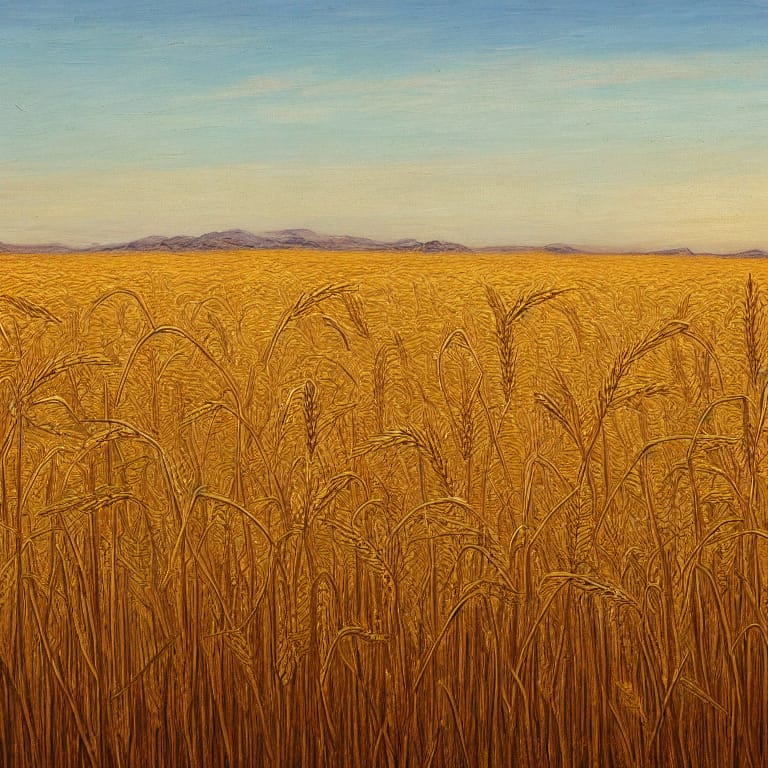
Since the discovery of oil in Libya in the 1950s, its economy has depended heavily on this resource, which accounts for almost all of the country's export earnings and over half of its gross domestic product (GDP). However, the country's agriculture and industry sectors have potential for growth and development.
Libya's agriculture sector is concentrated mainly in the coastal regions, where there is adequate rainfall and fertile soil. The main crops grown in Libya are wheat, barley, olives, dates, citrus fruits, and vegetables. Date palms are a particularly important commercial crop, producing both dates and the sap from which palm wine is made.
Despite its potential, the agriculture sector has not been fully exploited due to the country's limited water resources and lack of investment in farming infrastructure. However, the government has recently embarked on a program to improve irrigation systems and modernize farming techniques, with the goal of increasing crop yields and improving food security in the country.
The industrial sector in Libya is largely based on the processing of the country's abundant natural resources, primarily crude oil and natural gas. The country has a significant refining capacity, with several modern refineries capable of processing crude oil into high-quality petroleum products for export. In addition, the country has a small but growing manufacturing sector that produces goods such as textiles, cement, and food products.
One of the challenges facing the industrial sector in Libya is the need for modernization and investment in infrastructure. The country's outdated and poorly maintained transport network presents a major obstacle to the export of manufactured goods. Another obstacle is the lack of a skilled workforce, as well as restrictions on foreign investment and ownership.
Overall, the agriculture and industry sectors in Libya have the potential for growth and development, but face significant challenges that must be addressed for this potential to be realized.

Unfortunately, due to the political instability and security concerns in Libya, the country's tourism industry has suffered greatly in recent years.
Despite this, Libya offers a range of attractions for tourists, particularly those interested in history and archaeology. One of the most significant historical sites is the ancient Roman city of Leptis Magna, located approximately 130km east of the capital, Tripoli. Founded in the 7th century BCE, Leptis Magna was a major center of trade and commerce in the Roman Empire and contains stunningly preserved ruins, including a triumphal arch, a theater, a basilica, a marketplace, and a well-preserved harbor.
Another popular destination for tourists is the city of Benghazi, located in the northeast of the country. Benghazi is Libya's second-largest city and offers a mix of historic and contemporary attractions. One of the most significant sites in Benghazi is the Red Castle Museum, which houses an extensive collection of artifacts and exhibits documenting Libya's long and complex history, including the period of Ottoman rule and the Italian occupation. Benghazi also has several beautiful beaches, including the popular Baladhiya Beach, located just outside the city center.
For nature lovers, Libya is home to several breathtaking wilderness areas, including the Acacus Mountains in the southwest. The Acacus Mountains are a World Heritage site and contain a wealth of prehistoric rock art and carvings, as well as unique flora and fauna. The Jebel Akhdar Mountains, located to the east of Tripoli, also offer stunning landscapes and hiking opportunities.
Despite these attractions, it's important to note that travel to Libya can be extremely challenging and risky for foreign tourists. The country has experienced ongoing political unrest and social instability in recent years, and terrorist attacks and other security concerns are a constant threat. As such, most foreign governments currently advise against travel to Libya, and visitors should exercise extreme caution and follow official travel advice if they do choose to visit.

Libya is a country with a diverse population. The largest ethnic group in the country is the Arab, comprising around 90% of the population. The remaining 10% is made up of Berber and Tuareg groups, with small populations of African and European descent. The population is predominantly Muslim with a small number of Christians, Jews, and other religious groups.
The population of Libya has been steadily increasing over the past few decades, with a current estimated population of around 6.7 million people. The largest cities in Libya are Tripoli, the capital, and Benghazi, the second-largest city.
The official language of Libya is Arabic, and it is the most widely spoken language in the country. English is also spoken and understood by many Libyans, particularly in urban areas, due to its importance in education and business.
The literacy rate in Libya is relatively high, with a reported literacy rate of around 91%. Education is compulsory and free for all Libyans, from primary to secondary school. However, there are still challenges to be faced in the area of education, particularly in rural areas where access to schools is limited.
One of the biggest challenges currently facing Libya is the issue of migration. Due to its proximity to Europe, Libya has become a major transit point for migrants and refugees seeking to reach Europe. This has resulted in a diverse population of migrants from across Africa and the Middle East living in Libya.
Despite its challenges, Libya remains a country rich in culture and history. Its diverse population and rich cultural heritage make it a unique and fascinating country. As Libya continues to develop and grow, its demographics will undoubtedly continue to change and evolve.
The population of Libya is estimated to be around 6.8 million people, according to the latest United Nations data. The exact number is difficult to determine, as the country has undergone significant political and social upheaval over the past decade. Libya has a diverse population, with several ethnic and linguistic groups residing within its borders, including Arabs, Berbers, Tuaregs, and Tubus.
The majority of Libyans are Arab, with Berber speakers comprising a smaller but still significant minority. There are also small communities of foreign workers, mainly from nearby African countries, who are drawn to Libya's growing economy. The largest cities in Libya are Tripoli, Benghazi, and Misrata, all of which have experienced significant population growth over the past few decades.
While Libya has a relatively small population, it has a high rate of urbanization, with around 78% of Libyans living in urban areas. This is partly due to the country's oil-driven economy, which has encouraged the growth of urban centers such as Tripoli and Benghazi. The government has invested heavily in infrastructure in recent years, building new highways, airports, and other facilities to support economic growth and development.
Despite this, Libya still faces several social and economic challenges. Many Libyans live in poverty, and the country is still recovering from the effects of the 2011 revolution that overthrew former dictator Muammar Gaddafi. The ongoing conflict between rival political factions has disrupted the economy and society, leading to significant population displacement and a humanitarian crisis. The United Nations and other humanitarian organizations are working to provide assistance to those in need, but the situation remains challenging.
The ethnic composition of Libya is diverse, reflecting its long history of immigration and cultural exchanges with other African, European, and Middle Eastern countries. The majority of Libya's population is composed of Arabs, who migrated to the area from the Arabian Peninsula during the Islamic conquest in the 7th century. Berbers, an indigenous population of North Africa, are the largest ethnic minority and have historically dominated the western region of Libya, including the mountainous areas of the Nafusa Mountains and the city of Gharyan.
Although the country has experienced waves of migration over the centuries, the majority of its inhabitants are native Libyan, with smaller populations of Egyptians, Tuaregs, Turks, and other sub-Saharan African groups. In recent years, the population of sub-Saharan African migrants and refugees has increased, many of whom have come to Libya in search of better economic opportunities, fleeing conflict or persecution in their home countries.
Libya's complex ethnic makeup has been a source of tension and conflict throughout its modern history. During the Gaddafi era, policies were put in place to suppress Berber and other minority populations, including mass displacements, arbitrary arrest, and even forced assimilation. Although the policies of the Gaddafi regime have been abolished, divisions and tensions between ethnic groups continue, and in recent years, the country has experienced a surge of ethnic-based violence and discrimination.
Despite these challenges, Libya's diverse ethnic groups have also contributed to a rich and vibrant cultural heritage. Libya has a long history of art, music, and literature, with influences from Berber, Arab, and African cultures. Traditional arts and crafts, such as pottery, jewelry, and weaving, remain an important part of Libyan cultural life, and are often sold in local markets and souks. Libyan cuisine is also varied and features a unique blend of flavors and spices from the Mediterranean, the Middle East, and North Africa.
Languages spoken in Libya are rooted in Arabic, which is the official language of the country. Libyan Arabic is the most widely spoken dialect and is heavily influenced by the Bedouin Arabic dialects of North Africa. It also has distinct Berber and Tuareg dialects which differ significantly from standard Arabic. Berber dialects are spoken by the Amazigh people, who make up a small percentage of the population in Libya but have a strong cultural influence.
In addition to Arabic and Berber dialects, other languages spoken in Libya include English, Italian, and French, all of which were inherited from Libya's colonial past. While proficiency in these languages is not widespread, there are still pockets of communities in cities and towns in Libya that speak these languages as a second or third language. Italian, for example, is still widely spoken in the coastal city of Benghazi, which was an Italian colony from 1911 to 1943.
The government of Libya has made efforts to promote Arabic as the dominant language and discourage the use of other languages in the public sphere. This has led to tension and conflict between the government and minority communities, particularly the Amazigh. Despite these efforts, languages other than Arabic continue to remain important in Libya. For instance, English is commonly taught in schools and is often used in business settings, especially with foreign companies operating in the country.
Overall, languages in Libya are a reflection of the country's diverse cultural heritage and history. The influence of Arabic, Berber dialects, and colonial languages has created a unique linguistic landscape that is rich and fascinating. Despite challenges in language policy, the people of Libya continue to embrace their linguistic heritage and the languages that make up their identity.
Islam is the dominant religion in Libya with approximately 97% of the population identifying as Muslim. The majority of Libyan Muslims follow the Sunni sect, with a small minority of Shia Muslims. The country has had a long-standing relationship with Islam, as it was one of the earliest Muslim countries in North Africa, having been conquered by Arab Muslim armies in the 7th century.
There are a variety of Islamic schools of thought and many different Islamic organizations in Libya, including the Muslim Brotherhood, Salafis, and Sufis. Sufism, a mystical and contemplative branch of Islam, is practiced by a minority of Libyans, and is often associated with music, dance, and poetry. Famous Sufi figures in Libyan history include Nasir al-Din al-Tusi, who established a Sufi brotherhood and went on to become Libya's first Grand Mufti.
There are also small Christian and Jewish communities in Libya, although their numbers are very small. According to the Libyan Interim Constitutional Declaration of 2011, all citizens are guaranteed freedom of conscience and religion, with the caveat that Islamic law remains the main source of legislation. However, in practice, there have been reports of religious discrimination against non-Muslims, including restrictions on their practice of religion and harassment by government officials.
Before the Gaddafi regime, the country was often referred to as the "Islamic Republic of Libya". The official language of Libya is Arabic and the Quran is widely read and memorized in schools across the country. Islamic holidays such as Ramadan and Eid al-Fitr are celebrated as public holidays, and many Libyans regularly attend Friday prayers at mosques. The most prominent mosque in the country is the Grand Mosque of Tripoli, which was built in 1928 and renovated in the 1990s. With its distinctive white dome, the mosque is a major landmark in the capital city. Overall, religion plays a significant role in Libyan culture and society, and continues to shape the country in various ways.

The population of Libya is estimated to be around 6.8 million people, according to the latest United Nations data. The exact number is difficult to determine, as the country has undergone significant political and social upheaval over the past decade. Libya has a diverse population, with several ethnic and linguistic groups residing within its borders, including Arabs, Berbers, Tuaregs, and Tubus.
The majority of Libyans are Arab, with Berber speakers comprising a smaller but still significant minority. There are also small communities of foreign workers, mainly from nearby African countries, who are drawn to Libya's growing economy. The largest cities in Libya are Tripoli, Benghazi, and Misrata, all of which have experienced significant population growth over the past few decades.
While Libya has a relatively small population, it has a high rate of urbanization, with around 78% of Libyans living in urban areas. This is partly due to the country's oil-driven economy, which has encouraged the growth of urban centers such as Tripoli and Benghazi. The government has invested heavily in infrastructure in recent years, building new highways, airports, and other facilities to support economic growth and development.
Despite this, Libya still faces several social and economic challenges. Many Libyans live in poverty, and the country is still recovering from the effects of the 2011 revolution that overthrew former dictator Muammar Gaddafi. The ongoing conflict between rival political factions has disrupted the economy and society, leading to significant population displacement and a humanitarian crisis. The United Nations and other humanitarian organizations are working to provide assistance to those in need, but the situation remains challenging.

The ethnic composition of Libya is diverse, reflecting its long history of immigration and cultural exchanges with other African, European, and Middle Eastern countries. The majority of Libya's population is composed of Arabs, who migrated to the area from the Arabian Peninsula during the Islamic conquest in the 7th century. Berbers, an indigenous population of North Africa, are the largest ethnic minority and have historically dominated the western region of Libya, including the mountainous areas of the Nafusa Mountains and the city of Gharyan.
Although the country has experienced waves of migration over the centuries, the majority of its inhabitants are native Libyan, with smaller populations of Egyptians, Tuaregs, Turks, and other sub-Saharan African groups. In recent years, the population of sub-Saharan African migrants and refugees has increased, many of whom have come to Libya in search of better economic opportunities, fleeing conflict or persecution in their home countries.
Libya's complex ethnic makeup has been a source of tension and conflict throughout its modern history. During the Gaddafi era, policies were put in place to suppress Berber and other minority populations, including mass displacements, arbitrary arrest, and even forced assimilation. Although the policies of the Gaddafi regime have been abolished, divisions and tensions between ethnic groups continue, and in recent years, the country has experienced a surge of ethnic-based violence and discrimination.
Despite these challenges, Libya's diverse ethnic groups have also contributed to a rich and vibrant cultural heritage. Libya has a long history of art, music, and literature, with influences from Berber, Arab, and African cultures. Traditional arts and crafts, such as pottery, jewelry, and weaving, remain an important part of Libyan cultural life, and are often sold in local markets and souks. Libyan cuisine is also varied and features a unique blend of flavors and spices from the Mediterranean, the Middle East, and North Africa.

Languages spoken in Libya are rooted in Arabic, which is the official language of the country. Libyan Arabic is the most widely spoken dialect and is heavily influenced by the Bedouin Arabic dialects of North Africa. It also has distinct Berber and Tuareg dialects which differ significantly from standard Arabic. Berber dialects are spoken by the Amazigh people, who make up a small percentage of the population in Libya but have a strong cultural influence.
In addition to Arabic and Berber dialects, other languages spoken in Libya include English, Italian, and French, all of which were inherited from Libya's colonial past. While proficiency in these languages is not widespread, there are still pockets of communities in cities and towns in Libya that speak these languages as a second or third language. Italian, for example, is still widely spoken in the coastal city of Benghazi, which was an Italian colony from 1911 to 1943.
The government of Libya has made efforts to promote Arabic as the dominant language and discourage the use of other languages in the public sphere. This has led to tension and conflict between the government and minority communities, particularly the Amazigh. Despite these efforts, languages other than Arabic continue to remain important in Libya. For instance, English is commonly taught in schools and is often used in business settings, especially with foreign companies operating in the country.
Overall, languages in Libya are a reflection of the country's diverse cultural heritage and history. The influence of Arabic, Berber dialects, and colonial languages has created a unique linguistic landscape that is rich and fascinating. Despite challenges in language policy, the people of Libya continue to embrace their linguistic heritage and the languages that make up their identity.
Islam is the dominant religion in Libya with approximately 97% of the population identifying as Muslim. The majority of Libyan Muslims follow the Sunni sect, with a small minority of Shia Muslims. The country has had a long-standing relationship with Islam, as it was one of the earliest Muslim countries in North Africa, having been conquered by Arab Muslim armies in the 7th century.
There are a variety of Islamic schools of thought and many different Islamic organizations in Libya, including the Muslim Brotherhood, Salafis, and Sufis. Sufism, a mystical and contemplative branch of Islam, is practiced by a minority of Libyans, and is often associated with music, dance, and poetry. Famous Sufi figures in Libyan history include Nasir al-Din al-Tusi, who established a Sufi brotherhood and went on to become Libya's first Grand Mufti.
There are also small Christian and Jewish communities in Libya, although their numbers are very small. According to the Libyan Interim Constitutional Declaration of 2011, all citizens are guaranteed freedom of conscience and religion, with the caveat that Islamic law remains the main source of legislation. However, in practice, there have been reports of religious discrimination against non-Muslims, including restrictions on their practice of religion and harassment by government officials.
Before the Gaddafi regime, the country was often referred to as the "Islamic Republic of Libya". The official language of Libya is Arabic and the Quran is widely read and memorized in schools across the country. Islamic holidays such as Ramadan and Eid al-Fitr are celebrated as public holidays, and many Libyans regularly attend Friday prayers at mosques. The most prominent mosque in the country is the Grand Mosque of Tripoli, which was built in 1928 and renovated in the 1990s. With its distinctive white dome, the mosque is a major landmark in the capital city. Overall, religion plays a significant role in Libyan culture and society, and continues to shape the country in various ways.

Libyan culture is a rich mixture of Berber, Arab, and Mediterranean influences that have shaped the country over centuries. The country's history is reflected in its architecture, clothing, language, and cultural traditions. Islam plays a dominant role in the country's culture, with the vast majority of the population being Muslim. However, pre-Islamic beliefs and customs have also influenced the Libyan culture, especially in the rural areas.
The country's diverse cultural heritage is reflected in its numerous festivals and celebrations, some of which have their roots in ancient traditions. National holidays such as Independence Day, Martyr's Day, and Revolution Day are celebrated with great enthusiasm, and locals often dance and sing traditional songs. Ramadan, the Islamic month of fasting, is also an important cultural event in Libya, with families coming together to observe it.
The traditional dress of Libyans is unique, with distinct styles varying from region to region. Men typically wear a thobe (long garment) and a keffiyeh (a black and white headscarf), whereas women wear a hijab and a long dress or robe known as a jalabiya. Berber women, on the other hand, wear bright and colorful dresses adorned with geometric patterns and embroidery.
The cuisine of Libya is a combination of Mediterranean, Arab, and Berber influences, with ingredients such as lamb, beef, chicken, and fish being commonly used. Spices and herbs such as cumin, coriander, and parsley are also integral to the country's culinary offerings. The national dish of Libya is couscous, which is usually served with vegetables, meat, and tomato sauce.
The country's music has a long and rich history, with traditional styles such as the Bedouin and Berber music being popular in rural areas. Contemporary Libyan music has also developed, with artists fusing traditional sounds with modern beats to create a unique and vibrant music scene. Poetry is another important aspect of Libyan culture, with many poets having gained national acclaim for their work.
In conclusion, Libya's culture is a beautiful tapestry of ancient traditions and modern influences. Its rich diversity is reflected in the country's architecture, dress, language, music, and cuisine, with each aspect providing a unique insight into the country's heritage.
Music has played a significant role in the rich cultural heritage of Libya. Like many other North African countries, Libya has its own unique form of music, which has been shaped by its diverse cultural influences over the centuries.
Traditional Libyan music features a blend of Berber, Arab, and African rhythms. Nearly every region of Libya has its own distinct style of music, which reflects the local customs and traditions. Some of the most distinguished musical styles include Tuareg music, Amazigh music, Arab classical music, and African-influenced rhythms.
The Tuareg people, who are mainly found in the southern part of Libya, have their music style that features the use of instruments such as the tinde (a type of drum), the imzad (a one-stringed fiddle), and the takamba (a type of lute). The music typically features storytelling and poetry that narrate the culture and history of the Tuareg people.
Similarly, Amazigh music is another popular genre in Libya, which is greatly influenced by the Berberic culture. The music is typically accompanied by a lute called gumbri and includes storytelling, chanting, and poetry.
Arab classical music, on the other hand, is a more modern genre that has been integrated into Libyan culture from neighbouring Arabic countries. This type of music features the use of instruments such as the oud, a stringed instrument similar to a lute, and the nay, a type of flute. It is characterized by the use of complex rhythms and improvisation.
Lastly, African-influenced rhythms are another popular form of musical expression in Libya, particularly in the coastal areas. This type of music features percussive instruments such as the darbuka (a type of drum) and various kinds of shakers. It is known for its fast-paced and energetic rhythms that are often used in traditional dance.
In modern times, Libyan music has transformed with increased exposure to western music. The country has also witnessed the emergence of modern styles such as pop, rock, and hip-hop. Nevertheless, traditional Libyan music continues to be an important part of the cultural heritage that binds the Libyan people together.
Art in Libya has a long and diverse history, shaped by the country's geography, cultural heritage, and political history. The country's art scene incorporates influences from North Africa, the Mediterranean, and the Middle East, reflecting its geographic location as a crossroads between three regions.
Traditional Libyan art is characterized by its bold colors, geometric patterns, and use of natural materials. For centuries, Libyan artisans have created textiles, pottery, jewelry, and other crafts using locally-sourced materials like wool, copper, and clay. Many of these traditional crafts have been passed down through generations and continue to be produced in rural areas.
In the 20th century, modern Libyan art emerged as a distinct movement, with artists using new media and techniques to explore themes like personal identity, social change, and political dissent. In the early years of the country's independence, artists were encouraged to incorporate motifs from the Libyan flag and other national symbols into their work, leading to a visual language that still resonates with many Libyans today.
Despite this rich artistic heritage, Libya's art scene has often been overshadowed by political instability and conflict. Since the overthrow of Muammar Gaddafi in 2011, the country has experienced ongoing violent conflict and political upheaval, which has made it difficult for artists to access funding, exhibit their work, or collaborate with peers.
However, despite these challenges, Libyan artists continue to create innovative and thought-provoking work. In recent years, many have turned to digital media as a way to reach wider audiences and engage in dialogue with other artists around the world. Some have also used art as a form of protest, using symbolism and metaphor to express their frustration with the current political situation.
Overall, Libya's art scene is a testament to the resilience and creativity of its people, who have continued to produce meaningful and impactful work despite the many challenges they have faced. Whether through traditional crafts or cutting-edge digital media, Libyan artists are contributing to a rich and diverse cultural legacy that has inspired and influenced generations.
Libyan literature is a diverse and vibrant reflection of the country's long and storied history. While Libya is perhaps best known for its oil reserves and political turmoil, its literature and poetry offer a unique perspective on the country's cultural heritage and contemporary society.
One of the most prominent figures in Libyan literature is Khaled Mattawa, a poet and translator who has won numerous awards for his work. His poetry explores themes of love, identity, and the complexities of cultural exchange, often drawing on both classical Arabic poetry and contemporary Western literature.
Another major figure in Libyan literature is Ibrahim Al-Koni, a prolific author whose work often focuses on the Tuareg people and the Sahara desert. Many of his novels and poems deal with themes of nomadic life, spirituality, and the struggles of oppressed communities in the face of colonialism and globalization.
In addition to these renowned contemporaries, Libyan literature has a rich history dating back to ancient times. The city of Cyrene, in what is now eastern Libya, was home to one of the most celebrated classical libraries in the ancient world. The library housed thousands of rare and valuable texts, including works by Homer, Plato, and Aristotle.
Over the centuries, Libya has also been a crossroads of cultures and languages, with influences from Arabic, Berber, Italian, and Turkish sources. This rich heritage is reflected in the country's literature, which draws on diverse sources and traditions to create a rich and eclectic body of work.
Today, despite years of political instability and civil unrest, Libyan writers and poets continue to produce powerful and thought-provoking literature that challenges stereotypes and sheds light on the complex realities of life in Libya. From dystopian visions of a post-apocalyptic world to tender love stories set against the backdrop of war and displacement, Libyan literature offers a window into a unique and fascinating culture.
Cinema in Libya has a relatively short history, being introduced to the country in the mid-20th century. Prior to this time, there were no cinemas in Libya, and most Libyans were only able to experience cinema through the occasional traveling theater groups that visited the country. In 1950, the first cinema in Libya was opened in the city of Tripoli, marking the introduction of cinema to the Libyan people.
During the early days of Libyan cinema, most films shown were imported from other countries, with American and Egyptian films being the most popular. However, in the late 1960s, the Libyan government began to exert greater control over the country's film industry, and a number of production companies were established to produce films that reflected the country's unique cultural identity.
One of the earliest and most important Libyan films was the 1969 documentary "The Libyan Revolution," which chronicled the overthrow of King Idris by the young officer Muammar Gaddafi. This film was produced by the government-controlled Libyan Film Corporation, and was intended to promote the new revolutionary government and its socialist policies.
Despite the small size of the Libyan film industry, a number of important films have been produced in the country in recent decades. These include films that deal with social and political issues, such as "The Silence of the Palaces" (1994), which explores the lives of women in Libyan society, and "Azhari" (2004), which deals with the relationship between Libya and the United States.
Today, cinema in Libya faces a number of challenges, including censorship and limited financial resources. However, there is still a strong interest in film among Libyan citizens, and a number of film festivals have been established in the country in recent years. These festivals provide a platform for both domestic and international filmmakers to showcase their work, and are an important means of promoting cultural exchange and dialogue.
Sports in Libya have a long history and have played an integral role in the country's culture. Football (soccer) is the most popular sport in Libya, and the national football team has had some success in international competitions despite the country's tumultuous political climate.
Libya has also had a strong tradition in athletics, particularly in middle and long-distance running. Some of the country's most prominent athletes have competed at the Olympic Games and other international competitions.
Basketball is another popular sport in Libya and the national team has had some success in African competitions. Other sports that are gaining popularity in the country include handball, volleyball, and tennis.
During the rule of Muammar Gaddafi, sports were heavily favored by the government as a means of promoting national unity and bolstering the country's image abroad. The government invested heavily in sports facilities and encouraged the development of sports at all levels. However, with the onset of the civil war in 2011, many of these facilities were destroyed or fell into disrepair, and sports programs have struggled to continue functioning in the midst of ongoing instability.
Despite these obstacles, many Libyans remain passionate about sports and are working to rebuild and revitalize the country's sports infrastructure. The government has attempted to support these efforts by providing funding for sports programs and facilities, although progress has been slow due to ongoing political and security challenges.
Looking to the future, many Libyan athletes and sports enthusiasts remain optimistic about the potential for sports to play a positive role in the country's development and national identity. With continued support and investment, Libya has the potential to develop into a regional sports powerhouse and to produce world-class athletes in a variety of disciplines.
Music has played a significant role in the rich cultural heritage of Libya. Like many other North African countries, Libya has its own unique form of music, which has been shaped by its diverse cultural influences over the centuries.
Traditional Libyan music features a blend of Berber, Arab, and African rhythms. Nearly every region of Libya has its own distinct style of music, which reflects the local customs and traditions. Some of the most distinguished musical styles include Tuareg music, Amazigh music, Arab classical music, and African-influenced rhythms.
The Tuareg people, who are mainly found in the southern part of Libya, have their music style that features the use of instruments such as the tinde (a type of drum), the imzad (a one-stringed fiddle), and the takamba (a type of lute). The music typically features storytelling and poetry that narrate the culture and history of the Tuareg people.
Similarly, Amazigh music is another popular genre in Libya, which is greatly influenced by the Berberic culture. The music is typically accompanied by a lute called gumbri and includes storytelling, chanting, and poetry.
Arab classical music, on the other hand, is a more modern genre that has been integrated into Libyan culture from neighbouring Arabic countries. This type of music features the use of instruments such as the oud, a stringed instrument similar to a lute, and the nay, a type of flute. It is characterized by the use of complex rhythms and improvisation.
Lastly, African-influenced rhythms are another popular form of musical expression in Libya, particularly in the coastal areas. This type of music features percussive instruments such as the darbuka (a type of drum) and various kinds of shakers. It is known for its fast-paced and energetic rhythms that are often used in traditional dance.
In modern times, Libyan music has transformed with increased exposure to western music. The country has also witnessed the emergence of modern styles such as pop, rock, and hip-hop. Nevertheless, traditional Libyan music continues to be an important part of the cultural heritage that binds the Libyan people together.

Art in Libya has a long and diverse history, shaped by the country's geography, cultural heritage, and political history. The country's art scene incorporates influences from North Africa, the Mediterranean, and the Middle East, reflecting its geographic location as a crossroads between three regions.
Traditional Libyan art is characterized by its bold colors, geometric patterns, and use of natural materials. For centuries, Libyan artisans have created textiles, pottery, jewelry, and other crafts using locally-sourced materials like wool, copper, and clay. Many of these traditional crafts have been passed down through generations and continue to be produced in rural areas.
In the 20th century, modern Libyan art emerged as a distinct movement, with artists using new media and techniques to explore themes like personal identity, social change, and political dissent. In the early years of the country's independence, artists were encouraged to incorporate motifs from the Libyan flag and other national symbols into their work, leading to a visual language that still resonates with many Libyans today.
Despite this rich artistic heritage, Libya's art scene has often been overshadowed by political instability and conflict. Since the overthrow of Muammar Gaddafi in 2011, the country has experienced ongoing violent conflict and political upheaval, which has made it difficult for artists to access funding, exhibit their work, or collaborate with peers.
However, despite these challenges, Libyan artists continue to create innovative and thought-provoking work. In recent years, many have turned to digital media as a way to reach wider audiences and engage in dialogue with other artists around the world. Some have also used art as a form of protest, using symbolism and metaphor to express their frustration with the current political situation.
Overall, Libya's art scene is a testament to the resilience and creativity of its people, who have continued to produce meaningful and impactful work despite the many challenges they have faced. Whether through traditional crafts or cutting-edge digital media, Libyan artists are contributing to a rich and diverse cultural legacy that has inspired and influenced generations.
Libyan literature is a diverse and vibrant reflection of the country's long and storied history. While Libya is perhaps best known for its oil reserves and political turmoil, its literature and poetry offer a unique perspective on the country's cultural heritage and contemporary society.
One of the most prominent figures in Libyan literature is Khaled Mattawa, a poet and translator who has won numerous awards for his work. His poetry explores themes of love, identity, and the complexities of cultural exchange, often drawing on both classical Arabic poetry and contemporary Western literature.
Another major figure in Libyan literature is Ibrahim Al-Koni, a prolific author whose work often focuses on the Tuareg people and the Sahara desert. Many of his novels and poems deal with themes of nomadic life, spirituality, and the struggles of oppressed communities in the face of colonialism and globalization.
In addition to these renowned contemporaries, Libyan literature has a rich history dating back to ancient times. The city of Cyrene, in what is now eastern Libya, was home to one of the most celebrated classical libraries in the ancient world. The library housed thousands of rare and valuable texts, including works by Homer, Plato, and Aristotle.
Over the centuries, Libya has also been a crossroads of cultures and languages, with influences from Arabic, Berber, Italian, and Turkish sources. This rich heritage is reflected in the country's literature, which draws on diverse sources and traditions to create a rich and eclectic body of work.
Today, despite years of political instability and civil unrest, Libyan writers and poets continue to produce powerful and thought-provoking literature that challenges stereotypes and sheds light on the complex realities of life in Libya. From dystopian visions of a post-apocalyptic world to tender love stories set against the backdrop of war and displacement, Libyan literature offers a window into a unique and fascinating culture.

Cinema in Libya has a relatively short history, being introduced to the country in the mid-20th century. Prior to this time, there were no cinemas in Libya, and most Libyans were only able to experience cinema through the occasional traveling theater groups that visited the country. In 1950, the first cinema in Libya was opened in the city of Tripoli, marking the introduction of cinema to the Libyan people.
During the early days of Libyan cinema, most films shown were imported from other countries, with American and Egyptian films being the most popular. However, in the late 1960s, the Libyan government began to exert greater control over the country's film industry, and a number of production companies were established to produce films that reflected the country's unique cultural identity.
One of the earliest and most important Libyan films was the 1969 documentary "The Libyan Revolution," which chronicled the overthrow of King Idris by the young officer Muammar Gaddafi. This film was produced by the government-controlled Libyan Film Corporation, and was intended to promote the new revolutionary government and its socialist policies.
Despite the small size of the Libyan film industry, a number of important films have been produced in the country in recent decades. These include films that deal with social and political issues, such as "The Silence of the Palaces" (1994), which explores the lives of women in Libyan society, and "Azhari" (2004), which deals with the relationship between Libya and the United States.
Today, cinema in Libya faces a number of challenges, including censorship and limited financial resources. However, there is still a strong interest in film among Libyan citizens, and a number of film festivals have been established in the country in recent years. These festivals provide a platform for both domestic and international filmmakers to showcase their work, and are an important means of promoting cultural exchange and dialogue.
Sports in Libya have a long history and have played an integral role in the country's culture. Football (soccer) is the most popular sport in Libya, and the national football team has had some success in international competitions despite the country's tumultuous political climate.
Libya has also had a strong tradition in athletics, particularly in middle and long-distance running. Some of the country's most prominent athletes have competed at the Olympic Games and other international competitions.
Basketball is another popular sport in Libya and the national team has had some success in African competitions. Other sports that are gaining popularity in the country include handball, volleyball, and tennis.
During the rule of Muammar Gaddafi, sports were heavily favored by the government as a means of promoting national unity and bolstering the country's image abroad. The government invested heavily in sports facilities and encouraged the development of sports at all levels. However, with the onset of the civil war in 2011, many of these facilities were destroyed or fell into disrepair, and sports programs have struggled to continue functioning in the midst of ongoing instability.
Despite these obstacles, many Libyans remain passionate about sports and are working to rebuild and revitalize the country's sports infrastructure. The government has attempted to support these efforts by providing funding for sports programs and facilities, although progress has been slow due to ongoing political and security challenges.
Looking to the future, many Libyan athletes and sports enthusiasts remain optimistic about the potential for sports to play a positive role in the country's development and national identity. With continued support and investment, Libya has the potential to develop into a regional sports powerhouse and to produce world-class athletes in a variety of disciplines.