

The city of Geneva derives its name from the Latin word "Genava," which means "mouth of a river." This name likely refers to the location of the city at the point where the Rhone River flows out of Lake Geneva. The name of the city has changed multiple times throughout history, reflecting the different cultural influences that the region has experienced.
In the medieval period, the city was known as "Genf" in the Germanic language, which is still the name used for Geneva in German and some other languages. During the French Revolution, the city was briefly renamed "République-Liberté," but this name was abandoned when the city became part of the Swiss Confederation in 1815.
Despite the various name changes, Geneva has always been a city of great historical and cultural significance. It was first established as a Roman settlement in the 1st century BC and has been a center of commerce, diplomacy, and religion throughout its long history.
One of Geneva's most famous historical figures is John Calvin, the theologian who played a major role in the Protestant Reformation. Calvin made Geneva his home in the 16th century and established a strict regime of religious and moral discipline that had a lasting impact on the city's culture and identity.
Today, Geneva is known as a cosmopolitan city with a rich cultural heritage. Its unique location at the foot of the Alps and on the shores of Lake Geneva has made it a popular destination for tourists and outdoor enthusiasts. Geneva also plays a significant role in international affairs and is home to many important organizations, including the United Nations and the International Red Cross.
Geneva's history dates back to Roman times, when it was known as Genava, and was an important town on the route between Rome and northern Europe. However, it was during the Middle Ages that Geneva began to grow into the city that we know today. In the 11th century, the House of Savoy took control of the region and by the 14th century, Geneva was a wealthy and powerful city-state.
During the Reformation in the 16th century, Geneva became a center of Protestantism and a safe haven for Protestants fleeing persecution in other parts of Europe. The city was led by religious leader John Calvin, whose teachings and beliefs had a significant impact on the theological development of the Protestant church. The Reformation also saw the city connect with English and Dutch merchants, and Geneva became a hub of international trade, which helped to fuel further growth and prosperity.
In the centuries that followed, Geneva continued to grow as a center of commerce and political power. During the French Revolution, the city was occupied by French troops, and later in the 19th century, the region joined the Swiss Confederation. Geneva continued to develop and modernize during the 20th century, becoming a leading center of international diplomacy with the establishment of many international organizations, including the Red Cross, the European headquarters of the United Nations, and the World Health Organization.
Today, Geneva is a cosmopolitan city with a rich multicultural heritage. It remains a hub of international organizations and is known for its beautiful lakeside setting, stunning architecture, and vibrant cultural scene. The city has a reputation as a center of innovation and creativity, with a thriving startup scene, and is home to many significant research institutions and universities. Geneva's unique history has shaped its character and contributed to its status as one of the most important cities in the world today.
Geneva is located in the southwestern part of Switzerland, bordering France. The city is situated at the western end of Lake Geneva (Lac Léman), which is one of the largest lakes in Europe. The lake is fed by the Rhône River, which flows through the city. The city is surrounded by the Jura Mountains, which rise to the west of the city.
Geneva has a temperate climate that is influenced by both its location near the mountains and its proximity to the lake. The city experiences four distinct seasons, with warm summers and cold winters. Summer temperatures average around 25°C (77°F), while winter temperatures average around 0°C (32°F).
The city of Geneva covers an area of 15.92 square kilometers (6.14 square miles), and has a population of approximately 200,000 people. The city is divided into several districts, including the Old Town (Vieille Ville) and the international district (Nations).
One of the most distinctive features of Geneva is its Jet d'Eau, which is a fountain that shoots water 140 meters (460 feet) into the air. The fountain is located on the lake, and can be seen from many parts of the city. Another notable feature of Geneva is its flower clock, which is located in the English Garden (Jardin Anglais). The clock is made up of over 6,500 plants, and each year the design is changed to reflect the season.
Overall, Geneva is a beautiful city with a unique geography that is characterized by its location near the lake and the mountains. Its temperate climate and distinctive landmarks make it a popular destination for tourists from around the world.
Geneva experiences a temperate climate with four distinct seasons. The summers are warm and pleasant, while the winters are moderately cold. Overall, the city experiences a relatively mild climate compared to other parts of Switzerland. The average high temperature in Geneva during July and August is around 25°C (77°F), while the average low temperature during January and February is around -1°C (30°F).
As a result of its proximity to the Alps, Geneva receives a moderate amount of snowfall during the winter months. The city typically experiences around 86cm (33.9 inches) of snowfall throughout the winter. In the summer months, rainfall is the most common form of precipitation, with June and July seeing the most rainfall on average.
One unique aspect of Geneva's climate is the presence of the "Bise," a cold, dry wind that blows from the northeast. The Bise can be particularly strong in the winter, causing temperatures to feel much colder than they actually are. Another notable weather phenomenon in Geneva is the "Föhn," a warm, dry wind that can occur in the winter and spring, often bringing unseasonably warm temperatures to the city.
Overall, Geneva's climate is relatively mild and enjoyable throughout the year, making it a popular destination for tourists looking to experience the natural beauty of Switzerland without the extreme weather conditions found in other parts of the country.

The city of Geneva, located in western Switzerland, is home to a diverse population of approximately 200,000 people. While French is the official language of the city, other languages such as English, German, Italian, and Portuguese are also widely spoken due to the multinational nature of the local economy and institutions.
In terms of demographics, Geneva is known for its high standard of living and its multicultural population. According to recent statistics, about 48% of the city's inhabitants are foreigners. The largest groups of foreign residents come from neighboring France, followed by Portugal, the United Kingdom, Italy, and Spain. The city is also home to a growing number of immigrants from Africa and the Middle East.
The population of Geneva is relatively young, with a median age of just over 37 years old. The city is also known for its high rate of education, with almost 60% of residents holding a higher education degree. This is due in part to the presence of numerous international organizations, including the United Nations and the World Health Organization, which attract professionals from all over the world.
In recent years, Geneva has experienced a growing trend of gentrification and rising property prices, which has led to concerns about affordability and social inequality. While the city remains one of the wealthiest in Switzerland, there are pockets of poverty and social exclusion, particularly among immigrant communities.
Despite these challenges, Geneva remains a vibrant and cosmopolitan city, attracting a diverse range of visitors and residents from all over the world. Its unique blend of French and Swiss culture, combined with its international character, make it a truly unique and fascinating place to live or visit.
Geneva is the capital city of the Republic and Canton of Geneva, which is one of the 26 cantons of Switzerland. The political system in Geneva is based on direct democracy, which means that citizens have a direct say in the decision making process. The government of Geneva is organized in a three-tiered system, which includes the municipal, cantonal and federal levels.
At the municipal level, the city of Geneva is governed by a municipal council, which is composed of 80 members elected by the citizens every four years. The council is presided over by the mayor, who is elected by the council members. The mayor holds the office for a period of two years.
At the cantonal level, the government of the Canton of Geneva is composed of two chambers, the Grand Council and the Council of State. The Grand Council is the legislative body of the canton, and is composed of 100 members who are elected by the citizens every five years. The Council of State is the executive body of the canton, and is composed of seven members who are elected by the Grand Council for a term of four years.
At the federal level, the canton of Geneva is represented in the Federal Assembly by two members in the National Council, which is the lower house of the federal parliament, and by two members in the Council of States, which is the upper house of the federal parliament. The canton of Geneva is also represented in the Federal Council, which is the collective executive of the Swiss government, by one member.
The political system in Geneva is characterized by a high level of citizen participation and direct democracy. This is reflected in the numerous referendums and initiatives that are held in the canton on a regular basis. The citizens of Geneva have a strong sense of civic responsibility, and take an active part in shaping the political and social landscape of their city and canton.
Geneva's economy is highly diversified and ranges from finance to luxury goods to healthcare. The city has historically been a major center for international trade and commerce due to its strategic location at the crossroads of Europe. Geneva is home to numerous international organizations including the headquarters of the United Nations (UN), the International Committee of the Red Cross (ICRC), and the World Trade Organization (WTO), as well as many other intergovernmental organizations.
The city's banking and financial sector is one of the most important industries in Geneva, second only to Zurich in Switzerland. Geneva is home to countless international financial institutions including numerous private banks and wealth management firms. This sector plays a significant role in the city's economy, providing numerous jobs and generating a significant portion of the canton's tax revenue.
In addition to the banking and finance industry, the city is also known for its luxury goods manufacturing. Geneva has a long-standing history of producing some of the world's most high-end watches, including brands such as Patek Philippe, Rolex, and Omega. The city's reputation for quality watches has made it a hub for luxury watchmakers, attracting top talent from around the world.
Geneva is also an important center for healthcare and life sciences. Numerous international organizations such as the World Health Organization (WHO) and the Global Fund to Fight AIDS, Tuberculosis and Malaria, have their headquarters in Geneva. The city is also home to a number of pharmaceutical and biotechnology companies, as well as world-renowned research institutions such as the University of Geneva.
Tourism also plays a significant role in Geneva's economy, with millions of visitors coming to the city each year to enjoy its natural beauty and cultural attractions. The Jet d'Eau fountain, St. Peter's Cathedral, and the United Nations Office at Geneva are some of the city's most popular landmarks. The city is also home to numerous museums and art galleries, and is known for its vibrant nightlife and festivals.
Overall, Geneva's economy is incredibly diverse and well-rounded, with a range of industries contributing to the city's growth and prosperity. Its reputation as a center for international diplomacy and trade, combined with its natural beauty and cultural attractions, make it an attractive destination for both visitors and businesses.
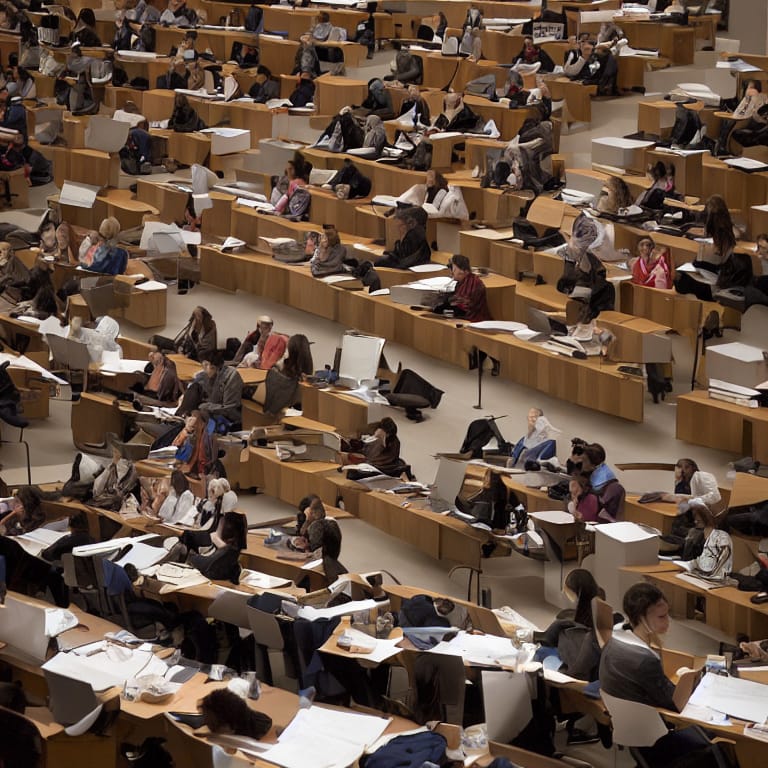
Geneva is renowned for its high-quality education system and is home to some of the world's most prestigious educational institutions. The city has a long history of providing excellent education, and this can be seen in its numerous well-respected universities, colleges, and schools.
One of the most notable institutions in Geneva is the University of Geneva, which was founded back in 1559. It is one of the oldest universities in Switzerland and is ranked highly in international rankings. The University of Geneva offers a range of courses in various fields, including the humanities, law, science, and medicine. It also has a number of research centers, including the Geneva Neuroscience Center and the Global Studies Institute.
Another prominent institution in Geneva is the Graduate Institute of International and Development Studies. This institute has a reputation for excellence in the fields of international relations, development studies, and humanitarian action. Notable alumni include former UN Secretary-General Kofi Annan and author Chimamanda Ngozi Adichie.
In addition to these universities, Geneva is also home to various other education providers. These include the International School of Geneva, which is one of the largest international schools in the world. This school caters to the needs of students from diverse backgrounds, and offers courses from the primary level through to the International Baccalaureate.
The city also has a well-developed vocational education system that offers a range of training programs in different fields. For example, the School of Watchmaking and Microtechnology offers courses in horology, while the Geneva Hotel School teaches students the skills they need to work in the hospitality industry.
Overall, Geneva's education system is highly regarded worldwide, and it continues to produce top-quality graduates in a diverse range of fields. Whether you're interested in pursuing a career in academia, business, or the arts, you're sure to find an educational institution in Geneva that can help you achieve your goals.

Culture in Geneva is rich and diverse, reflective of its unique history and position as a global hub. The city has long been a center for the arts, with a thriving community of artists, musicians, and writers.
One of the most notable cultural institutions in Geneva is the Geneva Opera House, which hosts a wide range of performances throughout the year, including opera, ballet, and classical music concerts. The theater is renowned for its excellent acoustics, elegant design, and rich history, having played host to many famous performers over the years.
Another important aspect of Geneva's cultural scene is its museums, which range from world-class art collections to innovative exhibits focused on science and technology. The Musée d'Art et d'Histoire is one of the city's most acclaimed museums, showcasing an impressive collection of art and artifacts from ancient times to the present day.
Geneva is also known for its vibrant music scene, with a thriving community of musicians and clubs that offer an eclectic mix of genres, from jazz and blues to hip hop and electronic music. Many of these venues attract international acts, making Geneva a must-visit destination for music lovers from around the world.
In addition to its arts and entertainment offerings, Geneva also has a rich culinary culture, with a wide range of restaurants specializing in everything from traditional Swiss cuisine to international fare. The city is particularly well-known for its chocolate and wine, with many local producers offering tours and tastings to visitors.
Overall, Geneva's culture is as varied and dynamic as its people, offering a rich tapestry of experiences for visitors and locals alike. Whether you're interested in the arts, music, food, or history, there's something for everyone to enjoy in this vibrant city.
Geneva is a city with a rich history and culture, and it is home to many landmarks and attractions that are worth visiting. One such landmark is the Jet d'Eau, a spectacular fountain that shoots water up to 140 meters high. Originally built as a safety valve for a hydraulic power plant, the Jet d'Eau has become one of the most iconic symbols of Geneva and is visible from many parts of the city. Visitors can admire the fountain up close or from a distance, but it is especially impressive at night when it is illuminated.
Another must-see attraction in Geneva is the Old Town, or Vieille Ville, which is situated on a hill above the city center. This well-preserved medieval quarter is full of narrow streets, charming squares, and historic buildings, including the Cathédrale Saint-Pierre, which dates back to the 12th century. Visitors can explore the Old Town on foot or by taking a guided tour, and there are many shops, cafes, and restaurants to enjoy along the way.
For those interested in art and culture, Geneva has plenty to offer. The Musée d'Art et d'Histoire is a vast museum that contains a wide range of exhibits, including ancient artifacts, paintings, sculptures, and decorative arts. The museum's collection spans from Roman times to the present day, and there are many temporary exhibitions and events throughout the year. There is also the Patek Philippe Museum, which showcases the history of watchmaking in Geneva and features an impressive collection of watches, clocks, and other timepieces.
Nature-lovers will not be disappointed by Geneva's offerings, either. The Jardin Anglais, or English Garden, is a lovely park located on the shore of Lake Geneva. The park is full of exotic trees, flowers, and shrubs, and there is a beautiful fountain in the center. Visitors can also take a boat tour of the lake, which offers stunning views of the city and its surroundings, including the majestic Alps in the distance.
In conclusion, Geneva is a city with something for everyone. Whether you are interested in history, art, nature, or simply enjoying a relaxing day in the sun, there is always something to do and see in this dynamic and vibrant city.
Geneva is a major transportation hub in Switzerland, with many options for getting around the city and to other destinations. The city has an extensive public transportation system that includes buses, trams, trains, and ferries.
The Geneva Public Transport system (TPG) operates a network of buses and trams that cover the entire city and surrounding areas. The buses and trams are clean, safe, and efficient, and run on a regular schedule throughout the day and into the night. Tickets can be purchased at vending machines, on the TPG website, or using a smartphone app.
The train station in Geneva is a hub for national and international train travel. The station is served by Swiss Federal Railways (SBB), which connects Geneva to other major Swiss cities like Zurich, Bern, and Basel. There are also frequent trains to neighboring France, including high-speed TGV trains to Paris and Lyon.
Another popular way to get around Geneva is by bike. The city has an extensive network of bike paths and bike lanes, making it easy and safe to explore the city on two wheels. There are also several bike-sharing schemes, where you can rent a bike for a short period of time.
If you are looking to travel further afield, Geneva Airport is the second-busiest airport in Switzerland, with flights to destinations throughout Europe and beyond. The airport is located just a few kilometers from the city center and is easily accessible by public transportation.
Finally, Geneva is situated at the western end of Lake Geneva, which offers a scenic and relaxing way to travel around the region. There are several ferry services that operate on the lake, serving cities like Lausanne, Montreux, and Evian. The ferries are a great way to enjoy the stunning views of the Alps and the surrounding countryside, while also getting around quickly and easily.
The city of Geneva has been home to a wide variety of notable individuals throughout its history. From artists and musicians to scientists and politicians, many have left their mark on this bustling city nestled on the banks of Lake Geneva.
One of the most prominent of these notable individuals is Jean-Jacques Rousseau, the influential philosopher who spent a significant portion of his life in Geneva. Born in Geneva in 1712, Rousseau went on to become one of the foremost thinkers of the Enlightenment era, with his ideas on individualism and social contract theory influencing political thought for centuries to come.
Another notable figure from Geneva's past is the astronomer and mathematician Leonhard Euler, who lived and worked in the city in the 18th century. Euler made significant contributions to a wide range of mathematical fields, including calculus, graph theory, and number theory, and is widely regarded as one of the greatest mathematicians of all time.
In the arts, Geneva has been home to a number of notable musicians, including the composer and conductor Ernest Ansermet. Ansermet was the founder and conductor of the Orchestre de la Suisse Romande, and was known for his interpretations of the works of Claude Debussy and other French composers.
Other notable individuals from Geneva's history include the physicist and Nobel laureate Albert Einstein, who spent some time in the city during the early 20th century, and the pioneering feminist thinker and writer Mary Wollstonecraft, who visited Geneva during her travels through Europe.
Today, Geneva continues to be home to a wide variety of notable individuals from across the fields of science, politics, business, and the arts. From the humanitarian work of celebrity activists like Angelina Jolie to the groundbreaking scientific research being conducted at institutions like the European Organization for Nuclear Research (CERN), the city remains a hub of innovation and achievement in the modern era as well.
Geneva has a network of twin towns and sister cities with which it has fostered relationships of cultural exchange, economic cooperation, and friendship over the years. The city's international character, stemming from its role as a diplomatic hub and cosmopolitan center, has contributed to the establishment of partnerships with various cities around the world. As of 2021, Geneva has 24 twin towns and sister cities in 19 different countries spanning five continents.
One of Geneva's oldest twin cities is Edinburgh, Scotland, with which it has been twinned since 1962. The two cities have strong bonds in cultural and academic fields, including joint research projects and student exchanges. Another notable twin city is Kyoto, Japan, with whom Geneva has had a relationship since 1988. As both cities are home to international organizations and renowned for their cultural heritage and traditions, the twinning has been aimed at promoting mutual understanding and cooperation in these areas.
Geneva's twin towns and sister cities are also spread across Europe, with some of the closest ones located in France. The city of Annemasse, just across the border from Geneva, has been twinned with Geneva since 1964, and the two cities have a history of working together on issues such as public transportation and urban planning. Other European twin towns of Geneva include Turin, Italy, Bristol, United Kingdom, and Granada, Spain.
Outside Europe, Geneva has established partnerships with cities across the world. One of the most recent additions is the city of Los Angeles, United States, which was twinned with Geneva in 2019. The partnership is focused on enhancing cooperation in the fields of innovation and sustainability, as both cities strive to promote a greener and more equitable future. Other twinned cities of Geneva include Belo Horizonte, Brazil, Chengdu, China, and Ramallah, Palestine.
Geneva's twin towns and sister cities serve as a testament to its global outreach and commitment to international cooperation. The city's relationships with other cities have helped to deepen its understanding of different cultures, promote economic and social exchanges, and foster cooperation in areas of common interest. The twinning network has also been a vehicle for citizens' participation in international affairs, as many of the partnerships involve cultural and educational exchanges and joint projects between civil society organizations.