

Earth is the third planet from the Sun in our solar system and the only known planet that supports life. Humans and countless other organisms have called this planet their home for billions of years. Measuring around 12,742 km -- or 7,918 miles -- in diameter, Earth is slightly larger than Mars but smaller than Venus. It has one natural satellite, the Moon, which is roughly a quarter of Earth's size, and which orbits our planet every 27.3 days.
Earth has a unique combination of characteristics that make it a truly remarkable place. It has a solid surface, a dynamic core, and an atmosphere that is rich in oxygen, allowing life to thrive. The planet is composed of four layers – the crust, mantle, outer core, and inner core – that have different chemical and physical properties. The iron-rich inner core of Earth is believed to be solid, while the outer core is composed of molten iron and nickel. The mantle, which lies between the crust and the core, is made of solid rock that can flow like a liquid over long periods of time.
The planet's surface is predominantly covered in water, with oceans accounting for approximately 70% of the Earth's surface. The remaining 30% is divided into seven continents that are rich in geological diversity, with each one possessing its own unique features and landscapes. The Earth's atmosphere, which extends around 300 miles from the planet's surface, is composed mainly of nitrogen and oxygen gases, making it breathable for humans and animals.
Despite its size, Earth is a dynamic and ever-changing planet. Tectonic plates beneath the planet's surface are constantly moving, causing earthquakes, volcanic eruptions, and other geological events that shape the planet's surface. The Earth's climate has also undergone significant changes over millions of years, with periods of cooling and warming that have affected the planet's flora and fauna.
In addition to its complexity and diversity, Earth is also unique in its ability to sustain life. From the smallest microorganisms to the largest mammals, the planet is home to an incredible array of life forms, each adapted to their own specific ecological niche. This incredible diversity of life is supported by complex ecosystems that are intricately connected, with each species playing an important role in the larger web of life.

Earth is a terrestrial planet and the third planet in the Solar System. It has a diameter of roughly 12,742 km and a mass of 5.97 x 10^24 kg, making it the largest and most massive of the terrestrial planets. Earth is nicknamed the "Blue Planet" due to its abundant liquid water, which covers around 71% of its surface. It is also the only known planet where life exists, and it is home to millions of species.
One of the most distinctive characteristics of Earth is its atmosphere, which is composed primarily of nitrogen (78%) and oxygen (21%). The remaining 1% is made up of trace gases such as carbon dioxide, water vapor, and methane. The atmosphere plays a crucial role in maintaining the planet's habitability by regulating its temperature, shielding it from harmful solar radiation, and providing the oxygen necessary for life.
Another important characteristic of Earth is its magnetosphere, which is generated by the planet's molten iron core. The magnetosphere acts as a protective shield, deflecting most of the charged particles from the solar wind that would otherwise strip away the atmosphere and damage life on the surface. The magnetosphere also produces the beautiful auroras seen near the poles, which are caused by charged particles interacting with the planet's magnetic field.
Earth's crust is composed of a variety of rocks and minerals, and it is constantly undergoing changes due to tectonic activity. The planet's surface is divided into several large plates that are in constant motion, causing earthquakes, volcanic eruptions, and the formation of mountain ranges. These processes have shaped the planet's surface over billions of years, creating diverse landscapes such as towering mountains, deep canyons, and vast plains.
The hydrosphere is another important component of the Earth's system, comprising all of the planet's water in various forms (liquid, solid, and gas). The oceans are the most prominent feature of the hydrosphere and are vital for regulating the planet's climate and supporting life. The world's oceans store and transport heat, regulate weather and climate, and absorb and store carbon dioxide from the atmosphere. They are home to a vast array of diverse marine ecosystems, providing food, resources, and recreation for people around the world.
In conclusion, the Earth is a dynamic and complex system consisting of the lithosphere, atmosphere, magnetosphere, and hydrosphere, all of which are intricately interconnected and intertwined. Its unique characteristics make it a habitable and vibrant planet that is home to an incredible diversity of life.
The structure of the Earth is complex and consists of several layers that extend from the planet's surface to its core. These layers are divided based on their composition and physical properties, and each of them plays a key role in shaping the Earth as we know it. The four major layers that make up our planet are the crust, mantle, outer core, and inner core.
The Earth's crust is the outermost layer that we live on. It is composed of rock and soil, and it varies in thickness from about 5 km to 70 km. The crust is further divided into two types: the continental crust and the oceanic crust. The continental crust is thicker and less dense than the oceanic crust. It is primarily composed of granite and other light-colored rocks, and it forms the continents. The oceanic crust, on the other hand, is composed of denser basalt and other dark-colored rocks. It is thinner than the continental crust and forms the ocean floor.
Beneath the crust lies the mantle, which is the thickest layer of the Earth. The mantle is composed of solid rock that is in a semi-liquid state due to the intense heat and pressure. It extends from the crust to the outer core and is divided into two parts: the upper mantle and the lower mantle. The upper mantle is solid and relatively rigid, while the lower mantle is much more viscous and can flow like a thick liquid. The mantle plays a critical role in the movement of tectonic plates, which shape the Earth's surface by causing earthquakes, volcanic eruptions, and the formation of mountains.
The outer core, which lies beneath the mantle, is a layer of liquid iron and nickel that surrounds the solid inner core. The outer core extends from a depth of 2900 km to 5100 km and is responsible for the Earth's magnetic field. The movement of the liquid iron in the outer core generates electrical currents, which create a magnetic field that extends out into space. The Earth's magnetic field protects us from the harmful solar wind and helps to maintain our atmosphere.
The inner core is the deepest and hottest layer of the Earth, and it extends from a depth of 5100 km to the center of the planet. It is composed of solid iron and nickel and has a temperature that is estimated to be around 5700 degrees Celsius. Despite its extreme heat, the inner core remains solid due to the enormous pressure that it experiences. The inner core is the source of the Earth's magnetic field and plays a crucial role in the planet's dynamic processes.
In summary, the structure of the Earth is composed of several layers, including the crust, mantle, outer core, and inner core. Each of these layers plays a critical role in shaping the Earth as we know it and understanding them is key to unlocking the secrets of our planet's dynamic processes.

The study of the Geology of Earth is a vast and complex topic, integral to understanding the origins and characteristics of our planet. Earth is the third planet from the Sun and the largest rocky planet in the Solar System. Its geology is shaped by the interactions between the various earth systems, such as the geosphere, atmosphere, hydrosphere, and biosphere.
The Earth's interior is divided into different layers, each with varying properties and composition. The densest layer is the Earth's core, which is composed of iron and nickel and has a temperature of around 5,000 degrees Celsius. Surrounding the core is the mantle, which is made up of solid rock that is capable of flowing over long periods of time. Above the mantle is the thin crust, which is composed of lighter elements such as oxygen, silicon, and aluminum. The crust is broken up into several large tectonic plates that move around the surface of the Earth, causing earthquakes and volcanic activity.
The geology of Earth is constantly changing due to the movement of these tectonic plates. When two plates collide, one may be forced beneath the other in a process known as subduction. This can result in the formation of mountain ranges and volcanic activity. When two plates move apart, new crust is formed in a process known as seafloor spreading. This can result in the creation of new ocean basins and the separation of continents.
The Earth's surface is also shaped by erosion, which is the process of weathering and transport of rocks and soil by wind, water, and ice. This can result in the formation of valleys, canyons, and other landforms. The Earth's atmosphere also plays a role in shaping the planet's geology, as wind and water erosion are both influenced by atmospheric conditions.
One of the most fascinating features of the Earth's geology is the presence of fossils, which provide a record of the planet's past life forms. The study of fossils has led to many discoveries about the Earth's history, including the timing of mass extinctions and the evolution of various species.
Overall, the Geology of Earth is a vast and fascinating topic that helps us understand the planet we live on. It is an integral part of our planet's history and development, and the study of Earth's geology continues to reveal new insights and discoveries about our world.

The atmosphere of Earth is a thin layer of gases that surrounds our planet and provides a vital environment for life to thrive. The atmosphere is composed mostly of nitrogen (about 78%), oxygen (about 21%), and trace amounts of other gases such as carbon dioxide, water vapor, and neon.
The atmosphere plays a crucial role in regulating the climate and weather patterns of Earth through the greenhouse effect, which traps heat and helps to maintain a temperature range that is hospitable for life. However, the increasing levels of greenhouse gases such as carbon dioxide and methane from human activities are leading to a rise in global temperatures and destabilizing the climate.
The atmosphere is divided into distinct layers based on temperature, pressure, and composition. The lowest layer, the troposphere, extends from the surface of Earth up to about 7-20 kilometers and is where all weather occurs. The stratosphere, located above the troposphere, contains the ozone layer, which absorbs harmful ultraviolet radiation from the sun. The mesosphere and thermosphere are located higher up and have increasingly lower air pressure and temperatures.
Besides its role in supporting life on Earth and regulating the climate, the atmosphere also provides protection from harmful radiation and space debris. The magnetic field of Earth helps to deflect much of the solar wind, a stream of charged particles from the sun, away from our planet. Additionally, meteors and asteroids that enter the atmosphere burn up and disintegrate before reaching the surface, protecting Earth from catastrophic impacts.
In summary, the atmosphere of Earth is a complex and dynamic system that plays a vital role in supporting and protecting life on our planet. But as human activity continues to release greenhouse gases into the atmosphere, it is essential to understand and mitigate the impacts of these changes to ensure a stable and habitable future for Earth.
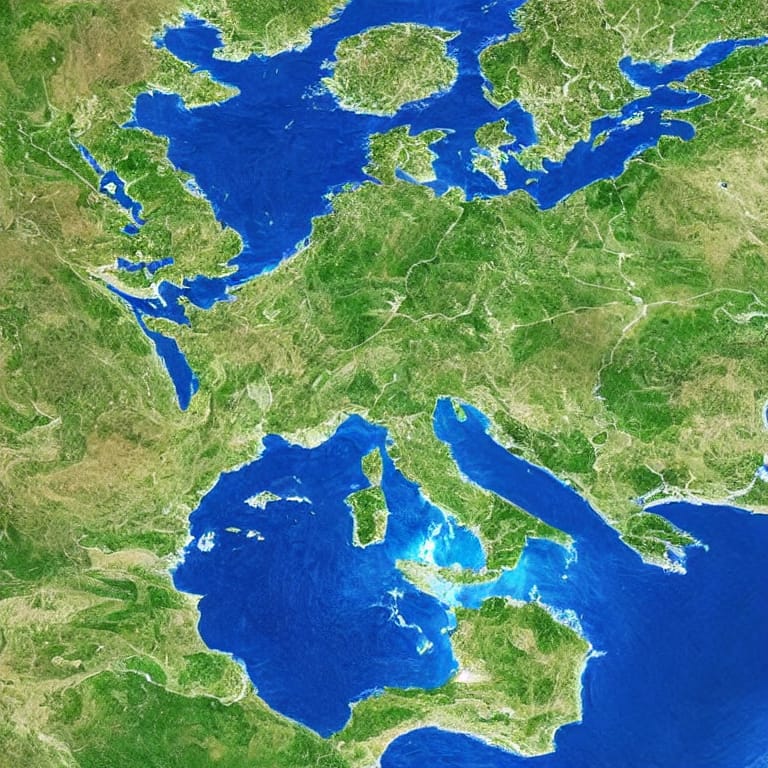
The hydrosphere of Earth is the sum total of all the planet's water, including oceans, seas, lakes, rivers, glaciers, and groundwater. Water is the foundation of life on Earth and serves as the habitat for countless organisms. The Earth's hydrosphere, in particular, plays a critical role in regulating the planet's climate and weather patterns.
The world's oceans are the largest component of the Earth's hydrosphere, covering approximately 70% of the planet's surface. The ocean serves as a massive regulator, storing and redistributing heat, as well as absorbing carbon dioxide from the atmosphere. The ocean also acts as a dense conduit for oceanic currents, which help to distribute nutrients and regulate global climate patterns.
Rivers and lakes form the second most substantial component of the Earth's hydrosphere, accounting for less than 1% of the world's freshwater resources. These freshwater systems are vital sources of drinking water, irrigation, and hydroelectric power, and they play a critical role in the planet's ecosystem functioning. Freshwater habitats form crucial breeding grounds for fish and other aquatic animals and provide crucial feeding points for a vast array of bird species.
Another notable component of the Earth's hydrosphere is groundwater, which is the water that fills the spaces between rocks and soil. Groundwater is essential to many parts of the world as it provides drinking water, supports ecosystems, and helps to regulate the flow of rivers and lakes. However, human intervention has caused many groundwater sources to become contaminated with pollutants, leading to a decline in water quality and scarcity in many regions worldwide.
In conclusion, the Earth's hydrosphere is a vital component of the planet's ecosystem functioning. Understanding the dynamics of this system is essential to help mitigate future issues, such as water scarcity and pollution, and ensure the sustainability of our planet's ecosystems.

The biosphere of Earth is a rich mix of diverse organisms, from microscopic bacteria to towering trees and everything in between. This intricate web of life exists within a narrow range of environmental conditions and is largely dependent on the steady input of energy from the sun. Despite the incredible diversity of life on our planet, however, most of it shares a common set of biological processes that depend on the presence of water, organic compounds, and other key ingredients.
At the heart of the biosphere is the process of photosynthesis, which is how plants and algae convert sunlight into energy that can be stored in organic molecules like sugars. This process provides the foundation for most of the food chains and ecosystems on Earth, with some species directly consuming plant matter and others feeding on the animals that do so. As such, the biosphere is characterized by a constant struggle for survival among organisms, with each species playing an important role in maintaining the delicate balance of life on our planet.
One important aspect of the biosphere is the way that it interacts with other parts of the Earth system, such as the atmosphere, hydrosphere, and lithosphere. For example, plant life plays a crucial role in regulating the concentrations of carbon dioxide and oxygen in the atmosphere, while living organisms also help to control the flow of nutrients and minerals through soils and water bodies. Additionally, the biosphere is closely linked to the carbon cycle, which involves the exchange of carbon between the atmosphere, living organisms, and the ocean, and plays a key role in regulating the Earth's climate.
Despite the many benefits that the biosphere provides, it is also subject to a wide range of pressures and stresses, many of which are a result of human activities. From deforestation and habitat destruction to pollution and climate change, human actions are having a profound impact on the biosphere and leading to declines in many species and ecosystems. As such, it is important for us to continue to study and understand the biosphere of Earth in order to develop effective strategies for protecting and preserving this vital part of our planet.

The evolutionary history of Earth is a fascinating and complex story that spans over 4.5 billion years. The early Earth was a very different planet than it is today. At the beginning, the Earth was a molten ball of rock and metal that was pelted by meteors and other debris from space. Over time, the planet cooled down and formed a solid crust, but it was still a hostile environment for life to develop.
However, around 3.5 billion years ago, life began to emerge on Earth. The origin of life is still a mystery, but it is believed that primitive microorganisms appeared in the oceans. These early life forms were simple and mainly consisted of bacteria and archaea. They didn't require oxygen to live, and some even produced it as waste.
For the next few billion years, life continued to evolve and diversify. The first photosynthetic organisms appeared around 3 billion years ago, which produced oxygen as a byproduct. This led to the development of an oxygen-rich atmosphere that was key to the evolution of more complex life forms.
Around 500 million years ago, the first multicellular organisms appeared, paving the way for the explosion of life during the Cambrian period. This was a time of great diversification, with many new animal phyla appearing. This era also saw the development of hard skeletons, which allowed for the emergence of large, complex organisms like fish and eventually, vertebrates.
Moving forward, the Earth's climate has fluctuated greatly over time, with ice ages and warming periods occurring. These environmental changes have driven the evolution of many species and have led to the development of unique ecosystems across the planet.
Today, Earth is home to an incredibly diverse array of life, from the smallest microorganisms to the largest mammals. Humans, as a species, have played a significant role in shaping the planet's environment and altering its ecosystems. Looking back through its history, the Earth has undergone immense changes, but life has continued to adapt and evolve, ensuring its survival for billions of years to come.

Human impact on Earth has been significant since the dawn of civilization. Human activities such as deforestation, pollution, overfishing, and the release of greenhouse gases have caused significant changes to the planet's ecosystems and natural resources. Some of the key impacts of human activities on the Earth include climate change, loss of biodiversity, air and water pollution, and soil degradation.
One of the most pressing environmental issues today is climate change. Human activities, such as the burning of fossil fuels, have caused an increase in the concentration of greenhouse gases in the atmosphere, leading to global warming and its associated impacts such as rising sea levels, more frequent extreme weather events, and changes in ecosystems. The Intergovernmental Panel on Climate Change (IPCC), a scientific body established by the United Nations, has warned that urgent action is needed to mitigate the impacts of climate change.
Another major impact of human activities on the Earth is the loss of biodiversity. Human activities such as deforestation, overfishing, and habitat destruction have driven many species to extinction or endangerment. This loss of biodiversity has significant consequences for human well-being, including the loss of important ecosystem services such as pollination and water filtration, and the potential loss of important genetic resources.
Air and water pollution are also serious environmental issues caused by human activities. Pollution can come from a range of sources, including agricultural runoff, industrial processes, and transportation. When pollutants enter the air or water, they can have harmful effects on human health and the environment, including respiratory problems and the death of aquatic life.
Finally, soil degradation is a significant concern, as it can lead to reduced agricultural productivity and the loss of important ecosystem services. Soil degradation can be caused by erosion, overuse of chemicals, and other human activities. Restoration efforts such as reforestation and sustainable land management practices are key to addressing this issue.
Overall, the impact of human activities on the Earth has been significant and continues to be a major challenge for the health and well-being of the planet and its inhabitants. Urgent action is needed to reduce these impacts and ensure that future generations inherit a healthy and sustainable planet.

The exploration and study of our planet, Earth, is a vast and ongoing endeavor that has captivated the minds of scientists and humans for centuries. Humans' understanding of Earth has grown tremendously over time, moving from purely observational and philosophical ideas to a sophisticated understanding of this complex and dynamic planet.
The first recorded systematic attempts to study the Earth's surface and its composition date back to ancient Greek philosophers such as Pythagoras and Aristotle, who observed natural phenomena and made predictions based on their observations. However, it was not until the modern era that the scientific field of geology emerged and the study of Earth began in earnest.
The understanding of Earth has been significantly enhanced through the development of advanced scientific techniques, such as the ability to measure changes in magnetic polarity, the ability to measure seismic waves, and the ability to measure the age of rocks and minerals in the Earth's crust.
Through scientific endeavors, humans have learned that Earth is approximately 4.5 billion years old and has undergone significant changes in its history. The study of Earth's geology has led to a better understanding of plate tectonics and the movement of continents, which have shaped the Earth's surface.
Furthermore, the exploration of Earth's oceans has provided insight into the diversity of life on Earth and has expanded our understanding of marine biology. The use of remote sensing technologies such as satellites has also helped scientists to better understand the Earth's climate, weather patterns, and natural disasters.
As humans continue to study and explore Earth, new insights and discoveries are constantly being made. Understanding and protecting our planet is crucial for the future of all life on Earth, and the ongoing exploration and study of our planet is vital for achieving this goal.

The future of Earth is a topic of great concern among scientists, policymakers, and the general public. As one of the few known habitable planets, the fate of Earth has a significant impact on the future of life in the universe.
One of the pressing issues facing Earth is climate change, which is caused by human activities such as burning fossil fuels and deforestation. The resulting increase in greenhouse gases leads to a warming planet, which in turn causes rising sea levels, more severe weather events, and the loss of biodiversity. To address this challenge, many countries are taking steps to reduce greenhouse gas emissions and transition to renewable energy sources.
Another issue is the depletion of natural resources, including water, forests, and minerals. As the human population continues to grow, the demand for these resources increases, leading to overexploitation and potentially irreversible damage to ecosystems. To address this challenge, some experts advocate for a more sustainable approach to resource management, including reducing waste, promoting recycling, and investing in renewable resources.
In addition to human-induced threats, Earth faces the possibility of catastrophic events such as asteroid impacts, super-volcano eruptions, and solar flares. While these events are rare, they have the potential to cause widespread damage and even extinction-level events. Scientists are working to identify and monitor potential threats and develop strategies to mitigate their impact.
Despite these challenges, there is reason for optimism about the future of Earth. Advances in technology and science have the potential to solve many of the problems facing the planet, from harnessing renewable energy to developing new ways to conserve resources. Additionally, growing awareness about the importance of environmental sustainability has led to increased public support for conservation efforts and policy initiatives.
Ultimately, the future of Earth depends on the decisions and actions we take today. By working together to address the challenges facing our planet, we can ensure a sustainable and thriving future for generations to come.