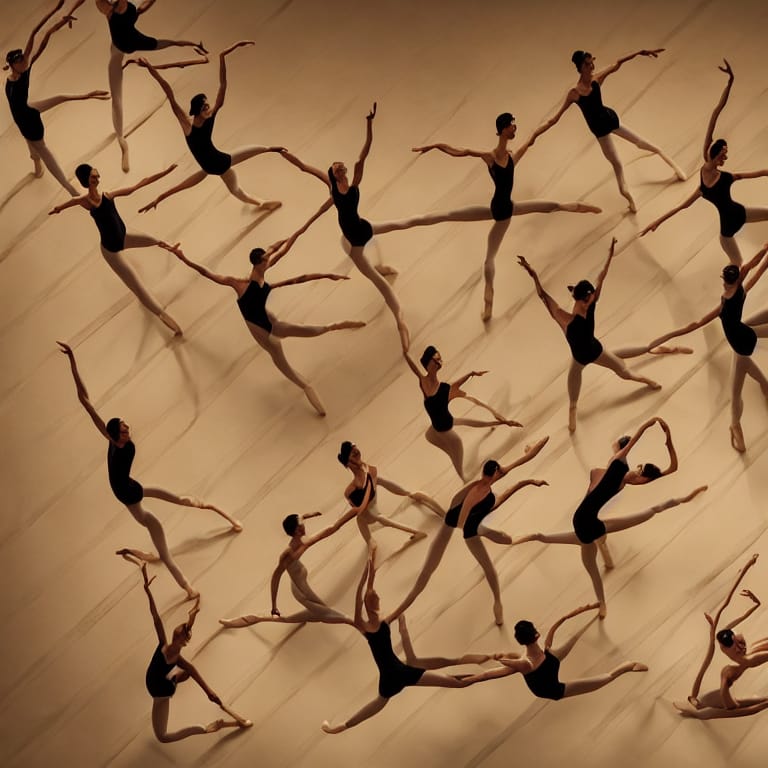
Dance is an incredibly diverse and sophisticated form of artistic expression that involves body movements with symbolic and aesthetic value. It has been a part of human culture since ancient times and has been used for entertainment, religious practices, and storytelling purposes. The physical and mental benefits of dancing are well-established and widely recognized. It can be a form of exercise, a way to express emotions, and a means of communication that transcends language and cultural barriers.
Dance has various forms and contexts, including traditional and contemporary styles, solo or group performances, social dancing, competitive events, and professional productions. Some forms of dance focus on specific movements, such as ballet and tap dance, while others emphasize improvisation, such as modern and hip-hop dance. Many cultures have their own unique styles of dance that reflect their history, traditions, and beliefs.
A significant aspect of dance is its ability to convey meaningful messages and emotions. Through choreography and movement, dancers can tell stories and evoke emotions such as joy, sorrow, fear, and anger. They can explore themes such as love, friendship, nature, and spirituality, and reflect on social and political issues. Dance has played an important role in preserving cultural heritage and promoting social change, such as in the case of traditional folk dances and protest dances.
Dance has also had a significant impact on popular culture, influencing music, fashion, and entertainment. Dance routines have become an essential part of music videos, concerts, and performances. Many dance styles, such as ballroom and salsa, have become popular social activities and are enjoyed by people of all ages and backgrounds.
Despite its universal popularity, dance remains a highly demanding and competitive profession. Professional dancers need to undergo rigorous training and maintain exceptional physical and artistic abilities. They must also have a deep understanding of music and choreography, as well as the ability to collaborate with others.
In conclusion, dance is a rich and complex form of artistic expression that has captivated people for centuries. With its vast variety of styles and contexts, it continues to evolve and adapt to new generations and cultures, while preserving its timeless beauty and cultural significance.
The history of dance dates back to the earliest known human civilizations, with evidence of dance found in ancient civilizations of Egypt, Greece, India, and China. These early dances were often performed as part of religious or spiritual rituals and had strong symbolic or narrative elements. In ancient Egypt, dance was seen as a way to connect with the gods, and dances were often performed as part of burial ceremonies.
In ancient Greece, dance was an important part of everyday life, often performed in social gatherings as well as religious ceremonies. Greek dance was characterized by its use of athletic movements and intricate footwork, with various styles such as the Kordax, Pyrrhic dance, and the more famous Chorus of the Homeric hymn to Apollo.
As civilization began to advance, dance continued to evolve and take on new forms. In the European Middle Ages, dance was an essential element of courtly life, with the nobility often performing elaborate dances and pageantry in opulent settings. These dances were often meant to convey social status and power.
In the Renaissance period, new forms of dance emerged, including ballet. Ballet evolved in Italy in the 15th century and quickly spread throughout Europe. Ballet was characterized by its use of graceful, flowing movements and elaborate costumes, often performed in grand theatres with large audiences.
During the 19th and 20th centuries, dance underwent significant changes as new styles and movements emerged. Modern dance, for example, emerged in the early 20th century as a reaction to the strict formalism of ballet. Modern dance emphasizes freedom of movement and expression, often incorporating improvisation and everyday movements.
Today, dance continues to evolve, with new styles and movements constantly emerging. From hip-hop to contemporary dance, dance remains an essential part of human culture, serving as both a form of artistic expression and a means of exercise, meditation, and connection with others.
Dance is a universal art form that has varying forms, styles, and expressions across cultures and regions. Different types of dances can be distinguished by style, technique, rhythm, and music. Here are the most popular types of dance:
1. Ballet - Ballet is a classical dance form that originated in the Italian Renaissance courts during the 15th century. It is characterized by fluid and graceful movements, pointe shoes, and classical music. Ballet dancers undergo years of rigorous training to achieve technical proficiency and perfect form.
2. Jazz - Jazz dance originated in the early 20th century in African-American communities. It is characterized by high-energy, rhythmic movements and syncopated beats. Jazz dance draws inspiration from various other dance forms such as ballet, hip hop, and modern dance.
3. Tap - Tap dance involves creating rhythms and beats with metal plates attached to the soles of shoes. It originated in the United States in the late 19th century and has since evolved into a popular performance art form. Tap dancers use their feet as percussion instruments, creating complex rhythms and beats.
4. Hip Hop - Hip hop dance originated in African-American and Latin-American communities in the 1970s. It is characterized by its street style, high-energy movements, and improvisation. Hip hop dancers often incorporate elements of breakdancing, popping, and locking into their dance routines.
5. Contemporary - Contemporary dance is a modern dance form that developed in the mid-20th century. It is characterized by its fluid movements, and improvisation. Contemporary dancers often draw inspiration from a range of dance styles and techniques, incorporating everything from ballet to hip hop.
6. Salsa - Salsa dance originated in Cuba and is known for its fast-paced footwork and sensual movements. The dance style has since spread across Latin America and the world. Salsa dancers typically dance in pairs, with the movements comprising of intricate partner work, dips, and spins.
7. Ballroom - Ballroom dance refers to a range of partner dances, including waltz, tango, and foxtrot. It originated in Europe in the 18th and 19th centuries and was popularized around the world in the early 20th century. Ballroom dancers typically perform in pairs, moving across the floor in a series of complex steps and patterns.
In summary, dance is a diverse and multifaceted art form that has evolved over centuries, allowing for the creation of many distinct dance styles. Each type of dance is unique in its history, techniques, styles, and music, making it a rich form of expression and a beloved art form.
Folk dance is a traditional form of dance that has been passed down through generations within a specific culture or community. It typically involves a group of people dancing together, often accompanied by live music played on traditional instruments, such as the accordion or fiddle. Folk dances can vary greatly in style and form depending on the region and culture they come from.
One of the identifying characteristics of folk dance is the use of patterns and formations that are specific to each dance. These patterns are often repeated throughout the dance, creating a sense of rhythm and cohesion among the dancers. Many folk dances also have traditional costumes and dress that are worn by the dancers, further adding to the cultural identity and uniqueness of each dance.
Folk dances are often performed during cultural festivals and celebrations, as well as in more informal settings such as community gatherings and weddings. They serve as a way to connect people to their cultural roots and heritage, as well as to each other through the shared experience of dance.
Some of the most well-known folk dances around the world include the Irish jig, the Bulgarian horo, and the Mexican jarabe tapatío. Each of these dances has its own unique style and variations, but all share the common goal of expressing cultural identity and bringing communities together through dance.
In addition to being a cultural practice, folk dance can also serve as a form of exercise and recreation. Many people participate in folk dance classes and groups as a way to stay active and socialize with others who share their love of dance. In this way, folk dance has the power to not only preserve cultural traditions, but also promote health, wellness, and community connection.
Social dance is a popular form of dance that is practiced all around the world. It is often performed at social gatherings such as weddings, parties, and balls. Social dances can be divided into two categories: partner dances and group dances. Partner dances are typically performed by two people and involve close physical contact, while group dances are performed by several people and often have a more freestyle or improvised feel.
Partner dances often require a high degree of coordination and communication between the dancers, as they must move together in harmony. Popular partner dances include the waltz, salsa, tango, and the foxtrot, among others. These dances typically involve a series of steps and movements that are choreographed in advance, although there is often room for improvisation and interpretation.
Group dances, on the other hand, are often more casual and involve a larger number of people. These dances often involve simple steps and movements that are easy to follow, and are designed to be inclusive and accessible to everyone. Some popular group dances include the electric slide, the Macarena, and the cha-cha slide, among others.
One of the key aspects of social dance is its social nature. This type of dance is often seen as a way to connect with others, build relationships, and have a good time. Many social dances are accompanied by music, which can range from classical ballroom music to modern pop and hip-hop beats.
Social dance has a rich history that spans centuries and cultures. Many traditional social dances have been passed down through generations and continue to be performed today, while new forms of social dance continue to emerge as popular culture evolves. In recent years, social dance has also gained popularity as a form of exercise and wellness, as it provides a fun and engaging way to stay active and healthy.
Overall, social dance is an important and beloved aspect of dance culture, providing a way for people to come together, connect, and express themselves through movement and rhythm.
Ballroom dancing, also known as partnership dancing, is a style of dance that originated in the Western world in the 16th century. It is a widely popular dance form that is loved by people of all ages and walks of life. Dance schools and studios all over the world offer ballroom dancing lessons, and there are even competitions where dancers can showcase their skills.
Ballroom dancing is typically performed by couples, who move in a close embrace while dancing to music. There are many different types of ballroom dance, with each style having its unique steps, movements, and rhythms. The most popular ballroom dances include the Waltz, Tango, Foxtrot, Quickstep, and Viennese Waltz.
The Waltz is a slow and graceful dance that originated in Austria in the late 18th century. It is characterized by its flowing movements, with couples elegantly gliding across the dance floor. The Tango, on the other hand, is a more dramatic dance that originated in Argentina in the early 20th century. It is known for its sharp movements and intricate footwork.
The Foxtrot is a smooth and sophisticated dance that originated in the United States in the early 20th century. Its movements are based on the slow-quick-quick rhythm, and it is characterized by the dancers' smooth and flowing movements. The Quickstep is a lively dance that originated in England in the 1920s, and it involves quick footwork and playful movements.
The Viennese Waltz is a fast-paced dance that originated in Austria in the late 18th century. It involves quick rotations and spinning movements, and it is often performed at formal events and balls.
Ballroom dancing is not only an art form, but it is also a great way to exercise and stay healthy. It can help improve posture, balance, and coordination. Moreover, it can help relieve stress and promote relaxation. It is also a fun and social activity that can be enjoyed with friends and family.
In conclusion, ballroom dancing is a beautiful and elegant dance form that has been enjoyed by millions of people for centuries. Its various styles offer something for everyone, and it can be a great way to stay active, socialize, and unwind.
Ballet dance is a classical dance form that originated in Renaissance Italy and later spread throughout Europe. It is characterized by graceful movements, precision, and elegance, and is often accompanied by classical music. Ballet is one of the most well-known and celebrated dance forms around the world.
The history of ballet dates back to the 15th century when it was performed as a form of entertainment at royal courts. The dance form has undergone significant changes over time as it has evolved and been influenced by different styles and cultures. In the 19th century, ballet began to take on a more formal and structured form, with new techniques and training methods being developed.
Today, ballet dancers train for many hours a day, starting at a young age, to perfect their movements and achieve the necessary level of skill and technique. Ballet dancers wear specialized shoes and clothing that allow them to execute specific movements and jumps.
Ballet dance consists of different positions, steps, and movements, including plie, tendu, jete, and pirouette. The movements are designed to flow seamlessly with the music and tell a story or convey an emotion. Ballet is often performed as part of a larger production, such as a ballet company's performance of Swan Lake, Sleeping Beauty, or The Nutcracker.
While ballet dance is often associated with a strict set of rules and traditions, modern ballet has taken on a more experimental and innovative approach. Contemporary ballet incorporates different techniques and styles and incorporates elements of modern dance.
Overall, ballet dance is a beautiful and complex art form that requires years of dedicated training, discipline, and artistry. It continues to captivate audiences around the world and inspire new generations of dancers.
Contemporary dance is a genre of dance that emerged in the mid-20th century and is characterized by its openness to interpretation, experimentation, and innovation. Unlike traditional dance styles, contemporary dance does not subscribe to set choreography or movements but instead celebrates individual exploration of movement and expression. This style of dance is often seen as a departure from the rigid structures and rules of classical ballet and other traditional styles.
Contemporary dance is often used in experimental settings, pushing the boundaries of the accepted norms of what dance should look like. Contemporary dance does not necessarily require a specific type of music or movement, and the interpretation of any stimulus can vary greatly depending on the dancer, choreographer, or audience member. There is a focus on the creation and exploration of movement, with dancers and choreographers often seeking to push past their physical and mental limits.
Contemporary dance has been influenced by a range of other forms of art, including visual art, theatre, and music. This has allowed for experimentation with different mediums and approaches, leading to the creation of a wide range of unique and innovative works. Some contemporary dance works can be quite abstract, with movements and gestures that may not have a direct correlation to a specific narrative or meaning.
As contemporary dance evolved, it began to incorporate a range of styles and techniques from other forms of dance, including ballet, jazz, and hip hop. This blending of styles has led to a wide variety of techniques and approaches, with each dancer and choreographer bringing their own unique experiences and perspectives to the art form.
One of the defining aspects of contemporary dance is its ability to adapt and evolve with the changing cultural landscape. It continues to push the boundaries of what is possible and challenge the perceptions of dance as a whole. This has allowed contemporary dance to remain a vital and exciting form of expression, drawing in new audiences and artists alike.
Hip hop dance is a popular form of dance that has its roots in the African American communities of the United States. It emerged first in the Bronx during the 1970s, through the musical genre of the same name which was characterized by breakbeats and rapping. The dance style then spread across the world, taking on many different variations and becoming a staple of popular culture.
Hip hop dance is characterized by its high-energy movements and often incorporates elements of street dance, popping, and locking. It is typically performed to hip hop music, or more recently, to other forms of popular music including pop and electronic dance music. The dance style emphasizes rhythm, coordination, and self-expression, and has been used in numerous music videos, films, and live performances.
There are many different styles of hip hop dance, each with their own unique characteristics and history. Some of the most notable styles include breaking, popping, locking, and krumping. Breaking, also known as breakdancing, is characterized by acrobatic and athletic movements including spins, flips, and freezes. Popping involves contracting and relaxing muscles to create a jerking effect, while locking emphasizes fluid and sharp movements. Krumping is a newer style of hip hop dance that was developed in Los Angeles during the 1990s and is characterized by frenetic, high-energy movements and exaggerated expressions.
Hip hop dance has had a significant impact on popular culture, influencing fashion, music, and other forms of dance. Its popularity has also led to the development of numerous competitions and events, where dancers showcase their skills and techniques in front of judges and audiences. Some of the most famous hip hop dance competitions include the World Hip Hop Dance Championships and the Dance USA Hip Hop Dance Championship.
Today, hip hop dance continues to evolve and grow in popularity, with new styles and techniques emerging all the time. Its influence can be seen in music videos, television shows, and movies, and it remains an important form of self-expression and artistic expression for millions of people around the world.
Latin dance refers to a group of dances that originates from Latin America and the Caribbean. These dances are known for their passionate and energetic movements, often accompanied by upbeat music. Latin dance is widely popular all over the world, with many people attending classes, competitions, and social events to dance and socialize.
One of the most popular Latin dances is the Salsa, which originated in Cuba in the 1920s. Salsa dance involves complex footwork and intricate partner moves, all done to the rhythms of salsa music. Salsa has several sub-genres, including salsa cubana, salsa puertorriqueña, and salsa en línea, each with their own distinct styles and rhythms.
Another popular Latin dance is the Rumba, which originated in Cuba as well. Rumba is known for its slow and sensual movements that are meant to convey a romantic story between the two partners. The dance involves a lot of hip movements and close partner work, making it a popular choice at social dances.
The Cha Cha Cha, another popular Latin dance, originated in Cuba in the 1950s. It is a fun and playful dance that involves syncopated steps and fast footwork. The Cha Cha Cha is also highly popular in ballroom dance competitions, being a staple dance of the Latin category.
The Merengue, which originated in the Dominican Republic, is another popular Latin dance. It’s known for its simple and repetitive footwork that can be easily joined by anyone, making it a great dance for beginners. The dance is characterized by its upbeat tempo and lively energy, making it a popular choice at parties and other social events.
Lastly, the Bachata, which originated in the Dominican Republic in the 1960s, is also a widely popular Latin dance. It is a slow and sensual dance, similar to the Rumba, but with more intricate footwork and isolations. The Bachata is often accompanied by bachata music, which consists of simple melodies and romantic lyrics.
Overall, Latin dance is an exciting and diverse genre that continues to enchant dancers and audiences all over the world. The beauty and rhythm of these dances make them popular not only in dance studios and competitions but also at social events and nightclubs.
Modern Dance is a genre of dance that emerged in the late 19th and early 20th century as a response to the rigid structures of classical ballet. Choreographers and dancers at the time were looking for ways to express themselves more freely without the constraints of traditional ballet technique, music and content. Modern dance, as a form of artistic expression, broke the rules of classical ballet and placed greater emphasis on individual expression, improvisation, and the use of natural movement.
Some of the pioneers of modern dance include Martha Graham, Isadora Duncan, and Merce Cunningham. Martha Graham's technique, developed in the 1920s, emphasized the use of breath, contraction and release to create dramatic, emotionally charged movement. Isadora Duncan, on the other hand, stripped dance down to its barest elements, focusing on the use of natural movements and emotions to tell a story. Merce Cunningham, who founded his own dance company in the mid-20th century, was known for his collaborative approach to choreography and the use of chance procedures, such as tossing a coin, to determine the placement of movement.
Modern dance continues to be a vibrant and evolving genre today, encompassing a wide range of styles and influences. Post-modern choreographers in the 1960s and 70s, such as Trisha Brown and Yvonne Rainer, challenged traditional notions of dance and performance, exploring movement in relation to space, time, and everyday life. Contemporary dance, which emerged in the 1980s and 90s, incorporates elements of modern dance, ballet, and other dance traditions, and often emphasizes improvisation, partnering, and the use of technology and multimedia.
While modern dance has been associated with political and social activism, as seen in the works of Bill T. Jones and Alvin Ailey, it is also known for its innovation and experimentation. Today, modern dance companies and choreographers can be found all over the world, from New York City's Martha Graham Dance Company to Japan's Sankai Juku, and continue to push the boundaries of what dance can be.
Tap dance is a dynamic and rhythmic form of dance that is characterized by the sound produced by metal plates attached to the dancer's shoes. This form of dance was developed in the United States during the late 19th century and has roots in African, European, and West Indies dance traditions. In tap dance, the dancer creates musical rhythms by striking the metal plates on the floor, producing intricate percussion while simultaneously dancing and moving.
Tap dance has a rich history and a diverse range of styles, including soft-shoe, Broadway tap, rhythm tap, and more. Soft-shoe tap dance emphasizes fluid and graceful movements, often using jazz or swing music as the soundtrack. Broadway tap, on the other hand, is known for its high-energy and theatrical performances, often featuring large groups of dancers and elaborate costumes. Rhythm tap incorporates a strong focus on musicality and improvisation, allowing dancers to create entirely unique, percussive performances.
In addition to its artistic value, tap dance is also a popular form of exercise and social dancing. Many tap dance schools and companies offer classes for all ages and skill levels, from beginner to advanced. In recent years, tap dance has experienced renewed popularity, with many high-profile performances and competitions showcasing the talent and skill of the best tap dancers in the world.
Overall, tap dance is a captivating and powerful form of dance that combines artistry, music, and athleticism. Whether performed for artistic purposes, as a form of exercise, or simply as a way to socialize and have fun, tap dance is an art form that continues to inspire and captivate audiences around the world.

Folk dance is a traditional form of dance that has been passed down through generations within a specific culture or community. It typically involves a group of people dancing together, often accompanied by live music played on traditional instruments, such as the accordion or fiddle. Folk dances can vary greatly in style and form depending on the region and culture they come from.
One of the identifying characteristics of folk dance is the use of patterns and formations that are specific to each dance. These patterns are often repeated throughout the dance, creating a sense of rhythm and cohesion among the dancers. Many folk dances also have traditional costumes and dress that are worn by the dancers, further adding to the cultural identity and uniqueness of each dance.
Folk dances are often performed during cultural festivals and celebrations, as well as in more informal settings such as community gatherings and weddings. They serve as a way to connect people to their cultural roots and heritage, as well as to each other through the shared experience of dance.
Some of the most well-known folk dances around the world include the Irish jig, the Bulgarian horo, and the Mexican jarabe tapatío. Each of these dances has its own unique style and variations, but all share the common goal of expressing cultural identity and bringing communities together through dance.
In addition to being a cultural practice, folk dance can also serve as a form of exercise and recreation. Many people participate in folk dance classes and groups as a way to stay active and socialize with others who share their love of dance. In this way, folk dance has the power to not only preserve cultural traditions, but also promote health, wellness, and community connection.

Social dance is a popular form of dance that is practiced all around the world. It is often performed at social gatherings such as weddings, parties, and balls. Social dances can be divided into two categories: partner dances and group dances. Partner dances are typically performed by two people and involve close physical contact, while group dances are performed by several people and often have a more freestyle or improvised feel.
Partner dances often require a high degree of coordination and communication between the dancers, as they must move together in harmony. Popular partner dances include the waltz, salsa, tango, and the foxtrot, among others. These dances typically involve a series of steps and movements that are choreographed in advance, although there is often room for improvisation and interpretation.
Group dances, on the other hand, are often more casual and involve a larger number of people. These dances often involve simple steps and movements that are easy to follow, and are designed to be inclusive and accessible to everyone. Some popular group dances include the electric slide, the Macarena, and the cha-cha slide, among others.
One of the key aspects of social dance is its social nature. This type of dance is often seen as a way to connect with others, build relationships, and have a good time. Many social dances are accompanied by music, which can range from classical ballroom music to modern pop and hip-hop beats.
Social dance has a rich history that spans centuries and cultures. Many traditional social dances have been passed down through generations and continue to be performed today, while new forms of social dance continue to emerge as popular culture evolves. In recent years, social dance has also gained popularity as a form of exercise and wellness, as it provides a fun and engaging way to stay active and healthy.
Overall, social dance is an important and beloved aspect of dance culture, providing a way for people to come together, connect, and express themselves through movement and rhythm.
Ballroom dancing, also known as partnership dancing, is a style of dance that originated in the Western world in the 16th century. It is a widely popular dance form that is loved by people of all ages and walks of life. Dance schools and studios all over the world offer ballroom dancing lessons, and there are even competitions where dancers can showcase their skills.
Ballroom dancing is typically performed by couples, who move in a close embrace while dancing to music. There are many different types of ballroom dance, with each style having its unique steps, movements, and rhythms. The most popular ballroom dances include the Waltz, Tango, Foxtrot, Quickstep, and Viennese Waltz.
The Waltz is a slow and graceful dance that originated in Austria in the late 18th century. It is characterized by its flowing movements, with couples elegantly gliding across the dance floor. The Tango, on the other hand, is a more dramatic dance that originated in Argentina in the early 20th century. It is known for its sharp movements and intricate footwork.
The Foxtrot is a smooth and sophisticated dance that originated in the United States in the early 20th century. Its movements are based on the slow-quick-quick rhythm, and it is characterized by the dancers' smooth and flowing movements. The Quickstep is a lively dance that originated in England in the 1920s, and it involves quick footwork and playful movements.
The Viennese Waltz is a fast-paced dance that originated in Austria in the late 18th century. It involves quick rotations and spinning movements, and it is often performed at formal events and balls.
Ballroom dancing is not only an art form, but it is also a great way to exercise and stay healthy. It can help improve posture, balance, and coordination. Moreover, it can help relieve stress and promote relaxation. It is also a fun and social activity that can be enjoyed with friends and family.
In conclusion, ballroom dancing is a beautiful and elegant dance form that has been enjoyed by millions of people for centuries. Its various styles offer something for everyone, and it can be a great way to stay active, socialize, and unwind.
Ballet dance is a classical dance form that originated in Renaissance Italy and later spread throughout Europe. It is characterized by graceful movements, precision, and elegance, and is often accompanied by classical music. Ballet is one of the most well-known and celebrated dance forms around the world.
The history of ballet dates back to the 15th century when it was performed as a form of entertainment at royal courts. The dance form has undergone significant changes over time as it has evolved and been influenced by different styles and cultures. In the 19th century, ballet began to take on a more formal and structured form, with new techniques and training methods being developed.
Today, ballet dancers train for many hours a day, starting at a young age, to perfect their movements and achieve the necessary level of skill and technique. Ballet dancers wear specialized shoes and clothing that allow them to execute specific movements and jumps.
Ballet dance consists of different positions, steps, and movements, including plie, tendu, jete, and pirouette. The movements are designed to flow seamlessly with the music and tell a story or convey an emotion. Ballet is often performed as part of a larger production, such as a ballet company's performance of Swan Lake, Sleeping Beauty, or The Nutcracker.
While ballet dance is often associated with a strict set of rules and traditions, modern ballet has taken on a more experimental and innovative approach. Contemporary ballet incorporates different techniques and styles and incorporates elements of modern dance.
Overall, ballet dance is a beautiful and complex art form that requires years of dedicated training, discipline, and artistry. It continues to captivate audiences around the world and inspire new generations of dancers.
Contemporary dance is a genre of dance that emerged in the mid-20th century and is characterized by its openness to interpretation, experimentation, and innovation. Unlike traditional dance styles, contemporary dance does not subscribe to set choreography or movements but instead celebrates individual exploration of movement and expression. This style of dance is often seen as a departure from the rigid structures and rules of classical ballet and other traditional styles.
Contemporary dance is often used in experimental settings, pushing the boundaries of the accepted norms of what dance should look like. Contemporary dance does not necessarily require a specific type of music or movement, and the interpretation of any stimulus can vary greatly depending on the dancer, choreographer, or audience member. There is a focus on the creation and exploration of movement, with dancers and choreographers often seeking to push past their physical and mental limits.
Contemporary dance has been influenced by a range of other forms of art, including visual art, theatre, and music. This has allowed for experimentation with different mediums and approaches, leading to the creation of a wide range of unique and innovative works. Some contemporary dance works can be quite abstract, with movements and gestures that may not have a direct correlation to a specific narrative or meaning.
As contemporary dance evolved, it began to incorporate a range of styles and techniques from other forms of dance, including ballet, jazz, and hip hop. This blending of styles has led to a wide variety of techniques and approaches, with each dancer and choreographer bringing their own unique experiences and perspectives to the art form.
One of the defining aspects of contemporary dance is its ability to adapt and evolve with the changing cultural landscape. It continues to push the boundaries of what is possible and challenge the perceptions of dance as a whole. This has allowed contemporary dance to remain a vital and exciting form of expression, drawing in new audiences and artists alike.

Hip hop dance is a popular form of dance that has its roots in the African American communities of the United States. It emerged first in the Bronx during the 1970s, through the musical genre of the same name which was characterized by breakbeats and rapping. The dance style then spread across the world, taking on many different variations and becoming a staple of popular culture.
Hip hop dance is characterized by its high-energy movements and often incorporates elements of street dance, popping, and locking. It is typically performed to hip hop music, or more recently, to other forms of popular music including pop and electronic dance music. The dance style emphasizes rhythm, coordination, and self-expression, and has been used in numerous music videos, films, and live performances.
There are many different styles of hip hop dance, each with their own unique characteristics and history. Some of the most notable styles include breaking, popping, locking, and krumping. Breaking, also known as breakdancing, is characterized by acrobatic and athletic movements including spins, flips, and freezes. Popping involves contracting and relaxing muscles to create a jerking effect, while locking emphasizes fluid and sharp movements. Krumping is a newer style of hip hop dance that was developed in Los Angeles during the 1990s and is characterized by frenetic, high-energy movements and exaggerated expressions.
Hip hop dance has had a significant impact on popular culture, influencing fashion, music, and other forms of dance. Its popularity has also led to the development of numerous competitions and events, where dancers showcase their skills and techniques in front of judges and audiences. Some of the most famous hip hop dance competitions include the World Hip Hop Dance Championships and the Dance USA Hip Hop Dance Championship.
Today, hip hop dance continues to evolve and grow in popularity, with new styles and techniques emerging all the time. Its influence can be seen in music videos, television shows, and movies, and it remains an important form of self-expression and artistic expression for millions of people around the world.
Latin dance refers to a group of dances that originates from Latin America and the Caribbean. These dances are known for their passionate and energetic movements, often accompanied by upbeat music. Latin dance is widely popular all over the world, with many people attending classes, competitions, and social events to dance and socialize.
One of the most popular Latin dances is the Salsa, which originated in Cuba in the 1920s. Salsa dance involves complex footwork and intricate partner moves, all done to the rhythms of salsa music. Salsa has several sub-genres, including salsa cubana, salsa puertorriqueña, and salsa en línea, each with their own distinct styles and rhythms.
Another popular Latin dance is the Rumba, which originated in Cuba as well. Rumba is known for its slow and sensual movements that are meant to convey a romantic story between the two partners. The dance involves a lot of hip movements and close partner work, making it a popular choice at social dances.
The Cha Cha Cha, another popular Latin dance, originated in Cuba in the 1950s. It is a fun and playful dance that involves syncopated steps and fast footwork. The Cha Cha Cha is also highly popular in ballroom dance competitions, being a staple dance of the Latin category.
The Merengue, which originated in the Dominican Republic, is another popular Latin dance. It’s known for its simple and repetitive footwork that can be easily joined by anyone, making it a great dance for beginners. The dance is characterized by its upbeat tempo and lively energy, making it a popular choice at parties and other social events.
Lastly, the Bachata, which originated in the Dominican Republic in the 1960s, is also a widely popular Latin dance. It is a slow and sensual dance, similar to the Rumba, but with more intricate footwork and isolations. The Bachata is often accompanied by bachata music, which consists of simple melodies and romantic lyrics.
Overall, Latin dance is an exciting and diverse genre that continues to enchant dancers and audiences all over the world. The beauty and rhythm of these dances make them popular not only in dance studios and competitions but also at social events and nightclubs.
Modern Dance is a genre of dance that emerged in the late 19th and early 20th century as a response to the rigid structures of classical ballet. Choreographers and dancers at the time were looking for ways to express themselves more freely without the constraints of traditional ballet technique, music and content. Modern dance, as a form of artistic expression, broke the rules of classical ballet and placed greater emphasis on individual expression, improvisation, and the use of natural movement.
Some of the pioneers of modern dance include Martha Graham, Isadora Duncan, and Merce Cunningham. Martha Graham's technique, developed in the 1920s, emphasized the use of breath, contraction and release to create dramatic, emotionally charged movement. Isadora Duncan, on the other hand, stripped dance down to its barest elements, focusing on the use of natural movements and emotions to tell a story. Merce Cunningham, who founded his own dance company in the mid-20th century, was known for his collaborative approach to choreography and the use of chance procedures, such as tossing a coin, to determine the placement of movement.
Modern dance continues to be a vibrant and evolving genre today, encompassing a wide range of styles and influences. Post-modern choreographers in the 1960s and 70s, such as Trisha Brown and Yvonne Rainer, challenged traditional notions of dance and performance, exploring movement in relation to space, time, and everyday life. Contemporary dance, which emerged in the 1980s and 90s, incorporates elements of modern dance, ballet, and other dance traditions, and often emphasizes improvisation, partnering, and the use of technology and multimedia.
While modern dance has been associated with political and social activism, as seen in the works of Bill T. Jones and Alvin Ailey, it is also known for its innovation and experimentation. Today, modern dance companies and choreographers can be found all over the world, from New York City's Martha Graham Dance Company to Japan's Sankai Juku, and continue to push the boundaries of what dance can be.
Tap dance is a dynamic and rhythmic form of dance that is characterized by the sound produced by metal plates attached to the dancer's shoes. This form of dance was developed in the United States during the late 19th century and has roots in African, European, and West Indies dance traditions. In tap dance, the dancer creates musical rhythms by striking the metal plates on the floor, producing intricate percussion while simultaneously dancing and moving.
Tap dance has a rich history and a diverse range of styles, including soft-shoe, Broadway tap, rhythm tap, and more. Soft-shoe tap dance emphasizes fluid and graceful movements, often using jazz or swing music as the soundtrack. Broadway tap, on the other hand, is known for its high-energy and theatrical performances, often featuring large groups of dancers and elaborate costumes. Rhythm tap incorporates a strong focus on musicality and improvisation, allowing dancers to create entirely unique, percussive performances.
In addition to its artistic value, tap dance is also a popular form of exercise and social dancing. Many tap dance schools and companies offer classes for all ages and skill levels, from beginner to advanced. In recent years, tap dance has experienced renewed popularity, with many high-profile performances and competitions showcasing the talent and skill of the best tap dancers in the world.
Overall, tap dance is a captivating and powerful form of dance that combines artistry, music, and athleticism. Whether performed for artistic purposes, as a form of exercise, or simply as a way to socialize and have fun, tap dance is an art form that continues to inspire and captivate audiences around the world.
The art of dance revolves around a set of fundamental elements that help choreographers and performers create beautiful and expressive performances. The elements of dance include body movement, space, time, energy, and music. In this section, we will explore these elements in greater detail to help you understand how professional dancers use them to create stunning performances.
Body movement is the most fundamental element of dance. The human body is an instrument for expressing emotions and thoughts through movement. Dancers use various movements of their body, including angles, curves, and diagonals, to convey messages through the dance choreography. They also use other components of body movement, such as weight, balance, gesture, and expression, to make the dance more compelling and meaningful.
Space plays a crucial role in dance as it is where the movement occurs. Dancers use space to create patterns, shapes, and paths that reveal the story, feeling, or idea they want to convey. They must also be aware of the levels of space and how they interact with each other. Examples of spaces in dance include levels-top, bottom or center, size, direction, and focus of movements.
Time is another essential element of dance that helps dancers establish a rhythm and tempo to synchronize their movements. By being aware of the timing of movements, dancers can convey a range of emotions and add emphasis to certain techniques or steps. One of the primary ways dancers use time is through the variation of tempo, which can be swift, slow, or mixed, depending on the dance style and choreography.
Energy is also crucial to the success of a dance performance. It is a dynamic, emotional response to the environment, and it is conveyed through the movements and emotional nuances of the dance. Dancers use various types of energy, such as tension, flow, and release, to create the necessary momentum in their performances. The energy of a dance can be smooth and flowing, sharp and jagged, heavy or light, depending on the choreographic intent.
Finally, music plays an essential role in the element of dance. It is used to help dancers create mood, express emotions, and communicate storytelling. Dancers must, therefore, listen to the music and respond to it with the appropriate movements, as well as consider its speed, rhythm, and tone when performing.
In conclusion, the various elements of dance work together to make up the beautiful and expressive art form we know today. Professional dancers understand the importance of each element and use them to create stunning performances that move and inspire their audience.
The body is the primary vehicle of expression in dance. As such, every aspect of the dancer's body is important, including posture, alignment, and movement quality. Posture refers to the alignment of the body's various systems, including the bones, muscles, and organs. Proper posture allows the dancer to move with ease and grace while minimizing the risk of injury. Alignment refers to the positioning of the body within the dance space. The dancer must be aware of his or her position at all times and make adjustments as necessary to maintain proper alignment.
Movement quality is a term used to describe the way in which the dancer moves. This includes elements such as timing, dynamics, and phrasing. Timing refers to the way in which the dancer's movements are synchronized with the music. Dynamics refers to the quality of movement, such as whether it is sharp or smooth. Phrasing refers to the way in which the dancer structures his or her movements in relation to the music.
The dancer's body must also be trained to execute specific movements. This requires flexibility, strength, and endurance. Flexibility refers to the body's ability to move through a full range of motion. This is essential for dancers who must often contort their bodies into unusual shapes. Strength refers to the amount of force that the body can produce. This is important for lifts and jumps. Endurance refers to the body's ability to perform for an extended period of time. This is necessary for dance routines that require a high level of physical activity.
The dancer's body is also an instrument of communication. Facial expressions, for example, can communicate a range of emotions. Similarly, gestures and poses can convey meaning to the audience. In order to be an effective communicator, the dancer must be able to control his or her body and use it to create a range of different expressions and movements.
Finally, the dancer's body must be cared for in order to prevent injury. This includes proper warm-up and cool-down routines, as well as adequate rest and hydration. Dancers must also be mindful of their diet and nutrition, as well as any medications that they may be taking. By taking care of their bodies, dancers can ensure that they are able to perform to the best of their ability and enjoy a long and healthy career.
Space is an essential element of dance that refers to the area around, above, and below the dancer's body. It includes the movement of the dancer through space, as well as the shapes created by the body's relationship to the surrounding environment. Dancers can use space to convey emotions, ideas, and themes through movement that fills the entire stage or fills only a small area.
One of the main ways dancers use space is through stage directions. The stage is often divided into nine sections, each with its own specific direction, such as downstage right or upstage left. Dancers can move in relation to these directions to create a specific effect, such as emphasizing a dramatic moment by moving towards the front of the stage or creating a sense of distance by moving towards the back.
Another important aspect of space is levels, which refers to the height of the dancer's movements. Dancers can move at ground level, jump or leap high into the air, or anything in between. By controlling the levels at which they move, dancers can convey feelings of power, grace, or vulnerability.
Spatial relationships between dancers and objects on stage are also crucial. Dancers can dance in close proximity to each other or use distance to create a sense of separation or loneliness. They can interact with objects on stage, like props, to create a narrative or to enhance the emotion of a movement.
Furthermore, space can be manipulated through the design and lighting of the dance's stage. Lighting can create a sense of focus on a particular dancer or group of dancers, or it can change the entire mood of a dance. Stage design, such as the placement of props or the background scenery, can create a sense of the setting, the mood, or even the time period that a dance takes place in.
In conclusion, space is an essential element of dance that has endless possibilities for expression and creativity. It allows dancers to create movement that not only fills the stage with beauty but also conveys a wider array of emotions, ideas, and themes.
Time is an essential element of dance. It refers to the rhythmic quality of movement and the duration of each step, gesture, and overall dance sequence. The use of time in dance is not only a matter of keeping a consistent beat; it also involves the manipulation of timing, changing tempos, creating pauses, and exploring the spaces between movements.
Beat or meter is the basic unit of time in dance. The beat often corresponds to the underlying musical rhythm. The speed of the beat, known as tempo, determines the pace of the dance. Different types of dance may have different tempos, ranging from slow and relaxed to fast and energetic. Tempo changes can also be used to create contrast and add complexity to the dance.
Timing in dance is not just a matter of keeping to a beat. Skilled dancers manipulate time skillfully, stretching or compressing certain movements, or delaying others to create an effect of suspension or anticipation. These manipulations of time are called syncopation, when the emphasis falls on an off-beat, and polyrhythm, when different rhythms are combined. These techniques add depth and texture to the dance, creating a sense of tension and release, and making the experience more dynamic.
Dancers also use pauses or breaks in the movement to create rhythm and tension. Pauses, like held positions or standing still, can be used to emphasize an expressive moment or signal a transition to a new section or theme. A staccato, quick pause can be used to create a sudden burst of energy, while a long and sustained pause can produce the impression of stillness or contemplation.
Another use of time in dance involves the concept of phrasing. Phrasing refers to the structuring of movements into sections, usually in sets of eight or sixteen beats, to create a sense of continuity and fluidity. The use of phrasing helps dancers and choreographers create clear and identifiable themes or motifs, establish a narrative arc or emotional arc, and balance the overall structure of the dance.
Overall, time is an essential component of dance. It is used to create rhythm, manipulate timing, and structure movements into meaningful phrases. Without attention to time and timing, dance would lack the dynamism, expressiveness, and coherence that define this beautiful art form.
Energy is a fundamental aspect of dance that serves to animate and enliven a performer's presence in space. This energy can take many forms, ranging from the physical exertion of the dancer's body to the expression of emotions and ideas through movement. In some cases, dance also involves the manipulation of energy within the dancer's body, exploring the interplay between energy and physical form.
Rhythm and tempo are important factors that contribute to the energy of dance. A fast, upbeat tempo can convey a sense of excitement and vibrancy, while a slower, more deliberate tempo can evoke a more pensive or reflective mood. Similarly, a steady, consistent rhythm can provide a foundation for dance movements, allowing performers to synchronize their movements and create a cohesive dance.
However, energy in dance is not solely a matter of speed or intensity. Dancers also use elements like dynamics and texture to convey meaning and emotion. For example, a dancer might move fluidly and gracefully, creating a sense of ease and elegance, or might move more sharply and aggressively, conveying a sense of power and force.
Depending on the style of dance, performers may also engage with different forms of energy. In modern or contemporary dance, for instance, dancers might explore the energy of weight and gravity, playing with balance and weight shift to create fluid, flowing movements. In contrast, more structured dances like ballet might require a greater degree of control and discipline, emphasizing the energetic lines and shapes of the dancer's movements.
In conclusion, energy is a critical component of dance, providing the necessary spark and vitality that gives a performance its unique character and meaning. Whether exploring the dynamics of the body, the texture of movement, or the interplay between energy and form, dance allows performers to tap into a rich and powerful source of creative expression.
The body is the primary vehicle of expression in dance. As such, every aspect of the dancer's body is important, including posture, alignment, and movement quality. Posture refers to the alignment of the body's various systems, including the bones, muscles, and organs. Proper posture allows the dancer to move with ease and grace while minimizing the risk of injury. Alignment refers to the positioning of the body within the dance space. The dancer must be aware of his or her position at all times and make adjustments as necessary to maintain proper alignment.
Movement quality is a term used to describe the way in which the dancer moves. This includes elements such as timing, dynamics, and phrasing. Timing refers to the way in which the dancer's movements are synchronized with the music. Dynamics refers to the quality of movement, such as whether it is sharp or smooth. Phrasing refers to the way in which the dancer structures his or her movements in relation to the music.
The dancer's body must also be trained to execute specific movements. This requires flexibility, strength, and endurance. Flexibility refers to the body's ability to move through a full range of motion. This is essential for dancers who must often contort their bodies into unusual shapes. Strength refers to the amount of force that the body can produce. This is important for lifts and jumps. Endurance refers to the body's ability to perform for an extended period of time. This is necessary for dance routines that require a high level of physical activity.
The dancer's body is also an instrument of communication. Facial expressions, for example, can communicate a range of emotions. Similarly, gestures and poses can convey meaning to the audience. In order to be an effective communicator, the dancer must be able to control his or her body and use it to create a range of different expressions and movements.
Finally, the dancer's body must be cared for in order to prevent injury. This includes proper warm-up and cool-down routines, as well as adequate rest and hydration. Dancers must also be mindful of their diet and nutrition, as well as any medications that they may be taking. By taking care of their bodies, dancers can ensure that they are able to perform to the best of their ability and enjoy a long and healthy career.
Space is an essential element of dance that refers to the area around, above, and below the dancer's body. It includes the movement of the dancer through space, as well as the shapes created by the body's relationship to the surrounding environment. Dancers can use space to convey emotions, ideas, and themes through movement that fills the entire stage or fills only a small area.
One of the main ways dancers use space is through stage directions. The stage is often divided into nine sections, each with its own specific direction, such as downstage right or upstage left. Dancers can move in relation to these directions to create a specific effect, such as emphasizing a dramatic moment by moving towards the front of the stage or creating a sense of distance by moving towards the back.
Another important aspect of space is levels, which refers to the height of the dancer's movements. Dancers can move at ground level, jump or leap high into the air, or anything in between. By controlling the levels at which they move, dancers can convey feelings of power, grace, or vulnerability.
Spatial relationships between dancers and objects on stage are also crucial. Dancers can dance in close proximity to each other or use distance to create a sense of separation or loneliness. They can interact with objects on stage, like props, to create a narrative or to enhance the emotion of a movement.
Furthermore, space can be manipulated through the design and lighting of the dance's stage. Lighting can create a sense of focus on a particular dancer or group of dancers, or it can change the entire mood of a dance. Stage design, such as the placement of props or the background scenery, can create a sense of the setting, the mood, or even the time period that a dance takes place in.
In conclusion, space is an essential element of dance that has endless possibilities for expression and creativity. It allows dancers to create movement that not only fills the stage with beauty but also conveys a wider array of emotions, ideas, and themes.
Time is an essential element of dance. It refers to the rhythmic quality of movement and the duration of each step, gesture, and overall dance sequence. The use of time in dance is not only a matter of keeping a consistent beat; it also involves the manipulation of timing, changing tempos, creating pauses, and exploring the spaces between movements.
Beat or meter is the basic unit of time in dance. The beat often corresponds to the underlying musical rhythm. The speed of the beat, known as tempo, determines the pace of the dance. Different types of dance may have different tempos, ranging from slow and relaxed to fast and energetic. Tempo changes can also be used to create contrast and add complexity to the dance.
Timing in dance is not just a matter of keeping to a beat. Skilled dancers manipulate time skillfully, stretching or compressing certain movements, or delaying others to create an effect of suspension or anticipation. These manipulations of time are called syncopation, when the emphasis falls on an off-beat, and polyrhythm, when different rhythms are combined. These techniques add depth and texture to the dance, creating a sense of tension and release, and making the experience more dynamic.
Dancers also use pauses or breaks in the movement to create rhythm and tension. Pauses, like held positions or standing still, can be used to emphasize an expressive moment or signal a transition to a new section or theme. A staccato, quick pause can be used to create a sudden burst of energy, while a long and sustained pause can produce the impression of stillness or contemplation.
Another use of time in dance involves the concept of phrasing. Phrasing refers to the structuring of movements into sections, usually in sets of eight or sixteen beats, to create a sense of continuity and fluidity. The use of phrasing helps dancers and choreographers create clear and identifiable themes or motifs, establish a narrative arc or emotional arc, and balance the overall structure of the dance.
Overall, time is an essential component of dance. It is used to create rhythm, manipulate timing, and structure movements into meaningful phrases. Without attention to time and timing, dance would lack the dynamism, expressiveness, and coherence that define this beautiful art form.

Energy is a fundamental aspect of dance that serves to animate and enliven a performer's presence in space. This energy can take many forms, ranging from the physical exertion of the dancer's body to the expression of emotions and ideas through movement. In some cases, dance also involves the manipulation of energy within the dancer's body, exploring the interplay between energy and physical form.
Rhythm and tempo are important factors that contribute to the energy of dance. A fast, upbeat tempo can convey a sense of excitement and vibrancy, while a slower, more deliberate tempo can evoke a more pensive or reflective mood. Similarly, a steady, consistent rhythm can provide a foundation for dance movements, allowing performers to synchronize their movements and create a cohesive dance.
However, energy in dance is not solely a matter of speed or intensity. Dancers also use elements like dynamics and texture to convey meaning and emotion. For example, a dancer might move fluidly and gracefully, creating a sense of ease and elegance, or might move more sharply and aggressively, conveying a sense of power and force.
Depending on the style of dance, performers may also engage with different forms of energy. In modern or contemporary dance, for instance, dancers might explore the energy of weight and gravity, playing with balance and weight shift to create fluid, flowing movements. In contrast, more structured dances like ballet might require a greater degree of control and discipline, emphasizing the energetic lines and shapes of the dancer's movements.
In conclusion, energy is a critical component of dance, providing the necessary spark and vitality that gives a performance its unique character and meaning. Whether exploring the dynamics of the body, the texture of movement, or the interplay between energy and form, dance allows performers to tap into a rich and powerful source of creative expression.
Dance is not just a form of art or entertainment - it also offers a plethora of physical, mental, and emotional benefits. Engaging in dance in any form can be an excellent way to stay fit, reduce stress, and boost overall well-being. Let's explore some of the key benefits of dance in greater detail.
1. Physical Health Benefits: Dance is a great way to stay physically fit without feeling like you are working out. Engaging in regular dance practice can help improve cardiovascular health by increasing stamina, enhancing lung capacity, and reducing the risk of heart disease. Additionally, it can improve balance, coordination and flexibility. Dancers burn a significant number of calories while dancing, which makes them leaner and develops strong muscles.
2. Cognitive Benefits: Dancing can also help keep your brain sharp by improving cognitive skills such as memory, concentration, and problem-solving abilities. Studies have shown that learning dance movements and remembering choreography can help improve neural plasticity, potentially leading to a better overall cognitive function.
3. Emotional Benefits: Dance can enhance emotional well-being by boosting mood and self-esteem. It can help reduce stress and anxiety levels by elevating the mood and increasing endorphin levels, promoting relaxation and improved overall well-being.
4. Social Benefits: Dance is an inherently social activity, and many find it to be an excellent way to make new friends and improve social skills. The act of dancing with other people can provide opportunities to socialize and connect with others, creating a sense of community and belongingness.
In summary, dance has a host of physical, mental, and emotional benefits that make it an excellent choice for anyone looking to improve their overall well-being. With numerous dance styles and disciplines to choose from, there is an option for everyone, from ballroom to hip hop and ballet to salsa. Whether dancing for fun or as part of a performance, the benefits of dance are sure to keep you feeling happy, healthy and rejuvenated.
Dance is not only an art form but also a physical activity that results in various physical benefits. Regular dance practice can significantly improve one's health and fitness levels. It is an excellent way to stay active and maintain a healthy weight. In this section, we will discuss the physical benefits of dance.
Firstly, dance helps in weight management. It is a great way to burn calories and lose weight. Many dance styles such as Zumba, Hip Hop, and Bollywood Cardio are high-intensity workouts that not only burn calories but also enhance cardiovascular health. By increasing one's heart rate, dance can improve overall cardiovascular fitness, lower blood pressure, and reduce the risk of heart disease.
Secondly, dance is known to increase flexibility, strength, and balance. By performing various dance moves, one can enhance their flexibility and range of motion, leading to better posture and balance. Dance practice also strengthens different muscle groups in the body, especially the core muscles, which are essential for maintaining a strong and stable body.
Thirdly, dance can help to reduce stress and improve mental health. Being a physical activity, it encourages the release of endorphins, which are body chemicals that help reduce stress and enhance the mood. Further, the coordination required in dance enhances cognitive abilities, leading to improved concentration, memory, and overall brain function.
Lastly, dance provides an excellent opportunity to enhance social connections. Dancing in a group or with a partner encourages social interaction and promotes feelings of happiness and well-being. It is a great way to make new friends and engage in community activities, which can lead to positive effects on mental health and overall quality of life.
In conclusion, dance is a physical activity that comes with numerous physical benefits. It is an excellent way to stay active, maintain a healthy weight, improve flexibility, strength, and balance, reduce stress, and enhance social connections. Regular dance practice can lead to improved overall health and well-being.
Dance is not only a physical activity, but a mental one as well. It has been shown to provide numerous mental benefits to dancers of all ages and backgrounds. One of the main mental benefits of dance is stress reduction. Dancing allows individuals to release tension and escape the stresses of everyday life, leading to a more relaxed state of mind. This can be particularly helpful for those who suffer from anxiety or depression, as dance can provide a healthy outlet for these emotions.
In addition to stress reduction, dance has also been shown to improve memory and cognitive function. The mental focus required to learn and remember dance routines can help to improve memory and cognitive ability, particularly in older adults. Dance also requires individuals to use both their left and right brain hemispheres, which can lead to improved communication between the two and enhanced creativity.
Dance can also help to boost self-esteem and confidence. As individuals become more proficient in their dance skills, they begin to feel more confident in their abilities and themselves as a whole. This can be particularly beneficial for children and teens, who may struggle with self-esteem and body image issues. Dance can help them to develop a sense of self-worth and belonging.
Finally, dance has also been shown to improve social skills and relationships. Dance classes and performances provide opportunities for individuals to interact with others who share their passion for dance. This can lead to the formation of strong friendships and even romantic relationships. Dance can also help individuals to develop better communication and teamwork skills, as they have to work together with others to create a cohesive performance.
Overall, the mental benefits of dance are numerous and wide-ranging. From stress reduction to cognitive improvement, dance has the ability to enhance individuals' mental well-being and contribute to a healthier, happier life.
Dance has been found to have a variety of social benefits for individuals. It is known to promote social interaction, provide a sense of community, and foster a feeling of belonging. By engaging in dance with others, individuals can form new friendships, strengthen existing relationships, and improve communication skills.
Dance can also enhance self-esteem and confidence since it provides an outlet for self-expression and creativity. It allows individuals to explore and showcase their unique talents, leading to a greater sense of accomplishment and personal fulfillment. Moreover, dance can contribute to overall well-being and reduce stress levels by promoting relaxation and the release of endorphins.
In addition to its individual benefits, dance has played an important role in various cultures and traditions, serving as a means of communication, celebration, and cultural identity. For instance, traditional dance forms such as flamenco or belly dance are deeply rooted in cultural history and have been passed down through generations as a way to preserve cultural heritage and identity. Similarly, dances such as the tango or salsa have become popular worldwide and serve as a means of international cultural exchange.
Dancing can also provide a platform for social activism and political engagement. Through choreography and performance, dance can convey powerful messages around issues such as social justice, equality, and human rights. From the Civil Rights Movement to current day protests, dance has been used as a tool for activism and change.
Overall, dance offers numerous social benefits that extend beyond just physical exercise. It has the power to foster community, personal connection, self-esteem, and cultural exchange, while also serving as a platform for activism and social change.
Dance is not only an art form but also a physical activity that results in various physical benefits. Regular dance practice can significantly improve one's health and fitness levels. It is an excellent way to stay active and maintain a healthy weight. In this section, we will discuss the physical benefits of dance.
Firstly, dance helps in weight management. It is a great way to burn calories and lose weight. Many dance styles such as Zumba, Hip Hop, and Bollywood Cardio are high-intensity workouts that not only burn calories but also enhance cardiovascular health. By increasing one's heart rate, dance can improve overall cardiovascular fitness, lower blood pressure, and reduce the risk of heart disease.
Secondly, dance is known to increase flexibility, strength, and balance. By performing various dance moves, one can enhance their flexibility and range of motion, leading to better posture and balance. Dance practice also strengthens different muscle groups in the body, especially the core muscles, which are essential for maintaining a strong and stable body.
Thirdly, dance can help to reduce stress and improve mental health. Being a physical activity, it encourages the release of endorphins, which are body chemicals that help reduce stress and enhance the mood. Further, the coordination required in dance enhances cognitive abilities, leading to improved concentration, memory, and overall brain function.
Lastly, dance provides an excellent opportunity to enhance social connections. Dancing in a group or with a partner encourages social interaction and promotes feelings of happiness and well-being. It is a great way to make new friends and engage in community activities, which can lead to positive effects on mental health and overall quality of life.
In conclusion, dance is a physical activity that comes with numerous physical benefits. It is an excellent way to stay active, maintain a healthy weight, improve flexibility, strength, and balance, reduce stress, and enhance social connections. Regular dance practice can lead to improved overall health and well-being.
Dance is not only a physical activity, but a mental one as well. It has been shown to provide numerous mental benefits to dancers of all ages and backgrounds. One of the main mental benefits of dance is stress reduction. Dancing allows individuals to release tension and escape the stresses of everyday life, leading to a more relaxed state of mind. This can be particularly helpful for those who suffer from anxiety or depression, as dance can provide a healthy outlet for these emotions.
In addition to stress reduction, dance has also been shown to improve memory and cognitive function. The mental focus required to learn and remember dance routines can help to improve memory and cognitive ability, particularly in older adults. Dance also requires individuals to use both their left and right brain hemispheres, which can lead to improved communication between the two and enhanced creativity.
Dance can also help to boost self-esteem and confidence. As individuals become more proficient in their dance skills, they begin to feel more confident in their abilities and themselves as a whole. This can be particularly beneficial for children and teens, who may struggle with self-esteem and body image issues. Dance can help them to develop a sense of self-worth and belonging.
Finally, dance has also been shown to improve social skills and relationships. Dance classes and performances provide opportunities for individuals to interact with others who share their passion for dance. This can lead to the formation of strong friendships and even romantic relationships. Dance can also help individuals to develop better communication and teamwork skills, as they have to work together with others to create a cohesive performance.
Overall, the mental benefits of dance are numerous and wide-ranging. From stress reduction to cognitive improvement, dance has the ability to enhance individuals' mental well-being and contribute to a healthier, happier life.
Dance has been found to have a variety of social benefits for individuals. It is known to promote social interaction, provide a sense of community, and foster a feeling of belonging. By engaging in dance with others, individuals can form new friendships, strengthen existing relationships, and improve communication skills.
Dance can also enhance self-esteem and confidence since it provides an outlet for self-expression and creativity. It allows individuals to explore and showcase their unique talents, leading to a greater sense of accomplishment and personal fulfillment. Moreover, dance can contribute to overall well-being and reduce stress levels by promoting relaxation and the release of endorphins.
In addition to its individual benefits, dance has played an important role in various cultures and traditions, serving as a means of communication, celebration, and cultural identity. For instance, traditional dance forms such as flamenco or belly dance are deeply rooted in cultural history and have been passed down through generations as a way to preserve cultural heritage and identity. Similarly, dances such as the tango or salsa have become popular worldwide and serve as a means of international cultural exchange.
Dancing can also provide a platform for social activism and political engagement. Through choreography and performance, dance can convey powerful messages around issues such as social justice, equality, and human rights. From the Civil Rights Movement to current day protests, dance has been used as a tool for activism and change.
Overall, dance offers numerous social benefits that extend beyond just physical exercise. It has the power to foster community, personal connection, self-esteem, and cultural exchange, while also serving as a platform for activism and social change.
Learning to dance is a wonderful way of expressing oneself and can also provide many health benefits, including improved coordination, flexibility, cardiovascular endurance, and muscle tone. There is no doubt that learning to dance requires a lot of practice, dedication, and effort, but with the right guidance and resources, anyone can learn to dance.
The first step in learning to dance is to choose a style that appeals to you. There are many different styles of dance, including ballroom, hip-hop, jazz, contemporary, ballet, tap, salsa, and many more. Each style has its own unique techniques and characteristics, so it's important to research and explore different styles to find the one that best suits your interests and goals.
Once you have chosen a style, the next step is to find a qualified instructor or dance school. It's important to choose an instructor who has experience and expertise in the particular style of dance you want to learn. Look for instructors who are certified and who have a solid reputation in the dance community. A good instructor will not only teach you the proper techniques and steps, but will also provide guidance and feedback to help you improve your skills.
In addition to taking classes with an instructor, it's also important to practice on your own. Find opportunities to dance at home, at events, or at social gatherings. Dancing with others can also be a great way to learn and pick up new moves and techniques.
Another important aspect of learning to dance is to take care of your body. Dance can be a physically demanding activity, so it's important to stretch before and after each practice or performance, stay hydrated, and get enough rest to allow your body to recover and heal.
Finally, remember that learning to dance is a journey and not a destination. Don't be discouraged if progress is slow or if you make mistakes along the way. With hard work, dedication, and a love for dance, anyone can learn to dance and enjoy the many benefits it has to offer.
Traditional dance schools, also known as cultural or folk dance schools, are institutions that specialize in teaching and preserving traditional dances that are unique to a particular culture or region. These dance forms are often passed down from generation to generation and have significant cultural and historical value. In many cases, traditional dance schools also serve as community centers where people of all ages can come together to learn, perform, and celebrate their cultural heritage.
One of the primary goals of traditional dance schools is to ensure the preservation of traditional dance forms. This can involve researching historical dance styles, studying traditional music, and working to preserve costumes and choreography. Teachers at these schools often have extensive knowledge of local culture and history, as well as experience performing and teaching traditional dance. They may also collaborate with other cultural organizations to promote and preserve traditional dance forms.
Traditional dance schools can be found all over the world, and each school is unique in terms of the specific culture or region that it represents. Examples of traditional dance forms include Irish step dance, Indian classical dance, and Chinese folk dance. In addition to preserving traditional dances, many of these schools also adapt and update traditional forms to make them more accessible to contemporary audiences.
Attending a traditional dance school can be a rewarding experience for students of all ages. Not only do they learn dance skills, but they also become part of a cultural community and gain a deeper understanding of the history and traditions of a particular culture. Many students also find that the discipline and dedication required to learn traditional dances carry over into other areas of their lives and contribute to personal growth and development.
In addition to teaching dance, traditional dance schools can also offer performances and cultural events. These events may include festivals, workshops, and community celebrations. They provide an opportunity for students to showcase their skills, as well as for the wider community to come together and learn about different cultures through dance.
Overall, traditional dance schools play an important role in preserving and promoting cultural heritage through dance. They provide a valuable space for people to come together, learn, and celebrate the unique traditions of their culture or region. Whether you are interested in learning a new dance form or simply want to gain a deeper appreciation for cultural diversity, traditional dance schools offer a rich and rewarding experience.
Online dance tutorials have become an increasingly popular way for people to learn and improve their dance skills. With the rise of social media platforms like YouTube, Instagram, and TikTok, dancers and dance instructors have been able to share their knowledge and expertise with a wider audience than ever before.
One of the biggest advantages of online dance tutorials is the convenience they offer. Instead of having to attend in-person classes, dancers can learn new dance moves and techniques from the comfort of their own homes. This can be especially beneficial for people who live in areas where there aren't many dance studios or who have busy schedules that make it difficult to commit to a regular class.
Another advantage of online dance tutorials is the variety of dance styles and instructors available. With so many videos and channels to choose from, dancers can explore new styles and learn from different instructors without ever leaving their homes. This can be especially helpful for dancers who are just starting out and want to discover their own style or for experienced dancers who want to expand their repertoire.
Online dance tutorials are also often more affordable than in-person classes. While some dance instructors charge for their videos, many offer free tutorials on platforms like YouTube. Dancers can also save money on transportation costs and other expenses associated with attending in-person classes.
Of course, there are some drawbacks to online dance tutorials as well. For one, dancers miss out on the social and interactive aspects of in-person classes, which can be an important part of the dance experience. Additionally, online tutorials may not be as effective for correcting mistakes or providing feedback as in-person instruction.
Despite these limitations, online dance tutorials have become an important part of the dance world and have helped to make dance more accessible to people all over the world. Whether you're a beginner looking to learn the basics or an experienced dancer looking to refine your skills, there are plenty of resources available online to help you on your dance journey.

Traditional dance schools, also known as cultural or folk dance schools, are institutions that specialize in teaching and preserving traditional dances that are unique to a particular culture or region. These dance forms are often passed down from generation to generation and have significant cultural and historical value. In many cases, traditional dance schools also serve as community centers where people of all ages can come together to learn, perform, and celebrate their cultural heritage.
One of the primary goals of traditional dance schools is to ensure the preservation of traditional dance forms. This can involve researching historical dance styles, studying traditional music, and working to preserve costumes and choreography. Teachers at these schools often have extensive knowledge of local culture and history, as well as experience performing and teaching traditional dance. They may also collaborate with other cultural organizations to promote and preserve traditional dance forms.
Traditional dance schools can be found all over the world, and each school is unique in terms of the specific culture or region that it represents. Examples of traditional dance forms include Irish step dance, Indian classical dance, and Chinese folk dance. In addition to preserving traditional dances, many of these schools also adapt and update traditional forms to make them more accessible to contemporary audiences.
Attending a traditional dance school can be a rewarding experience for students of all ages. Not only do they learn dance skills, but they also become part of a cultural community and gain a deeper understanding of the history and traditions of a particular culture. Many students also find that the discipline and dedication required to learn traditional dances carry over into other areas of their lives and contribute to personal growth and development.
In addition to teaching dance, traditional dance schools can also offer performances and cultural events. These events may include festivals, workshops, and community celebrations. They provide an opportunity for students to showcase their skills, as well as for the wider community to come together and learn about different cultures through dance.
Overall, traditional dance schools play an important role in preserving and promoting cultural heritage through dance. They provide a valuable space for people to come together, learn, and celebrate the unique traditions of their culture or region. Whether you are interested in learning a new dance form or simply want to gain a deeper appreciation for cultural diversity, traditional dance schools offer a rich and rewarding experience.
Online dance tutorials have become an increasingly popular way for people to learn and improve their dance skills. With the rise of social media platforms like YouTube, Instagram, and TikTok, dancers and dance instructors have been able to share their knowledge and expertise with a wider audience than ever before.
One of the biggest advantages of online dance tutorials is the convenience they offer. Instead of having to attend in-person classes, dancers can learn new dance moves and techniques from the comfort of their own homes. This can be especially beneficial for people who live in areas where there aren't many dance studios or who have busy schedules that make it difficult to commit to a regular class.
Another advantage of online dance tutorials is the variety of dance styles and instructors available. With so many videos and channels to choose from, dancers can explore new styles and learn from different instructors without ever leaving their homes. This can be especially helpful for dancers who are just starting out and want to discover their own style or for experienced dancers who want to expand their repertoire.
Online dance tutorials are also often more affordable than in-person classes. While some dance instructors charge for their videos, many offer free tutorials on platforms like YouTube. Dancers can also save money on transportation costs and other expenses associated with attending in-person classes.
Of course, there are some drawbacks to online dance tutorials as well. For one, dancers miss out on the social and interactive aspects of in-person classes, which can be an important part of the dance experience. Additionally, online tutorials may not be as effective for correcting mistakes or providing feedback as in-person instruction.
Despite these limitations, online dance tutorials have become an important part of the dance world and have helped to make dance more accessible to people all over the world. Whether you're a beginner looking to learn the basics or an experienced dancer looking to refine your skills, there are plenty of resources available online to help you on your dance journey.
Dance has been an integral part of performing arts for centuries, evolving significantly along the way. It features prominently in many cultures, both old and new, and has been used in various contexts, from storytelling to worship to entertainment. Today, dance is a highly developed art form, cherished by millions around the world for its beauty, skill, and emotional expression.
In performing arts, dance is a key component of many types of shows, including musicals, operas, ballets, and contemporary performances. In musical theater productions, dance is used to help convey the plot and to enhance the songs that are being sung. In operas, dance is often incorporated in the form of ballet, which adds to the overall richness of the experience. Ballet, a highly stylized and formal form of dance, is often considered an art in its own right and is one of the most demanding and prestigious of all the dance styles.
Contemporary dance, on the other hand, is a relatively recent genre that combines elements of classical ballet with newer styles, such as jazz and hip-hop. It often features improvisation and boundary-breaking movements, and is highly expressive in nature. Contemporary dance can be used to tell stories, express emotions, or simply to explore the limits of movement and the body.
One of the most intriguing aspects of dance in performing arts is its ability to reflect the cultural, social, and political contexts in which it is performed. Different cultures may have different styles of dance, each with its own history, meaning, and symbolism. For example, traditional Indian dance, such as Bharatanatyam or Kathakali, often has religious significance and is characterized by complex footwork, graceful hand gestures, and vivid facial expressions.
In Western culture, dance has often been associated with youth and beauty, and with social and cultural norms around gender and sexuality. Many dance styles, such as ballroom dancing, have strict roles for men and women, with men leading and women following. However, in recent years, this has begun to change, with more gender-neutral and fluid approaches to dance becoming popular.
Overall, dance in performing arts is a dynamic and multifaceted art form that continues to evolve and fascinate audiences around the world. Whether it is used to tell stories, express emotions, or simply to inspire and entertain, dance is one of the most captivating and expressive forms of art we have.
Dance performances refer to the presentation of dance routines, choreographed or improvised, to an audience. These performances can vary widely in their form, genre, and context. Some dance performances are strictly traditional and reflect the cultural heritage of a specific region or country, while others are more contemporary and blend multiple styles and techniques.
Classical ballet is perhaps the most recognizable form of dance performance. This genre is known for its graceful, flowing movements, precise footwork, and elaborate costumes. Ballet performances can be accompanied by live orchestral music or pre-recorded tracks, and often tell a story through movement and mime. Ballet companies, such as the New York City Ballet and the Royal Ballet in London, regularly stage performances for audiences around the world.
Modern dance is another popular form of dance performance that emerged in the early 20th century. This genre is characterized by its fluidity and lack of rigid structure, often incorporating improvisation and personal expression. Modern dance performances can be intimate or expansive, requiring only a small stage or a vast open space. Major modern dance companies, such as Alvin Ailey American Dance Theater and Martha Graham Dance Company, have influenced the development of contemporary dance and continue to tour internationally.
Contemporary dance is a hybrid of various dance styles and techniques. It often incorporates elements of modern dance, ballet, and jazz, as well as cultural and social dance forms. Contemporary dance performances can range from abstract and cerebral to emotive and political. This genre has gained popularity in recent years, with international festivals, such as the Dance Umbrella in London and the American Dance Festival in Durham, showcasing works by emerging and established choreographers.
Hip hop dance is a subculture that emerged from the streets of the Bronx, New York City in the 1970s. Today, hip hop dance has become a global phenomenon, with its own music, fashion, and unique style. Hip hop dance performances can range from high-energy breakdancing to intricate choreography executed to hip hop music. Major dance competitions, such as World of Dance and Juste Debout, attract top hip hop dance crews from around the world to compete for cash prizes and international recognition.
In conclusion, dance performances are a vibrant and diverse art form that engage and entertain audiences around the world. Whether traditional or contemporary, classical or modern, dance performances showcase the power and beauty of the human body in motion. Whether performed for entertainment or as a means of artistic expression, dance has the ability to transcend cultural barriers and speak to people of all ages and backgrounds.
Dance competitions are a popular aspect of the dance world, allowing dancers to showcase their skills and talents to judges and audiences. These competitions can take place in a variety of settings, from local festivals and competitions to national and international events.
Dance competitions often require dancers to perform specific styles of dance, such as ballet, hip-hop, salsa, or ballroom dancing. Dancers are typically judged on their technique, presentation, choreography, and musicality. In addition to solo performances, dance competitions may also feature duets, trios, or group dances.
Many dance competitions have strict rules and guidelines that must be followed by competitors. For example, there may be restrictions on the length of a routine, the types of moves that can be performed, or the use of props or costumes. Violations of these rules can result in point deductions or disqualification.
In order to be successful in a dance competition, dancers must not only have technical skill and artistry but also be able to connect with the audience and judges on an emotional level. This often involves creating a strong performance persona and choosing music and choreography that showcase their strengths and unique style.
One of the most well-known dance competitions is the World Dance Championship, which takes place annually and brings together dancers from around the world to compete in a variety of categories. Other popular competitions include the International Ballet Competition, the Hip-Hop International World Championship, and the Ballroom Dance World Cup.
Dance competitions can be a challenging and rewarding experience for dancers of all ages and skill levels. They provide an opportunity to showcase one's talents, compete against other dancers, and receive feedback from judges and peers. Whether dancing for fun or training for a career, participating in a dance competition can be a valuable part of any dancer's training and development.
Dance has been an integral part of various motion pictures and television shows over the years. The fusion of these two art forms has resulted in some of the most iconic moments in cinematic history. From classic Hollywood musicals to contemporary dance-based reality shows, the integration of dance into film and TV has been a source of entertainment for audiences worldwide.
One of the earliest films to showcase dance was the 1895 short film, "Annabelle Serpentine Dance." The film featured a dancer in a long flowing dress performing various dance moves against a black background. Over the decades, dance continued to be used as a form of entertainment in film, with the Golden Age of Hollywood particularly known for its classic musical productions.
One of the most iconic musical films is "Singin' in the Rain" (1952), which featured Gene Kelly's famous rain-soaked dance sequence. The movie, set during the transition period from silent films to "talkies," is known for its outstanding musical numbers that are still inspiring dancers today. Other notable musicals include "West Side Story" (1961), "Grease" (1978), and "Moulin Rouge!" (2001).
Apart from musicals, dance has also played a significant role in non-musical films. For example, the iconic dance scene in Quentin Tarantino's "Pulp Fiction" (1994) featuring John Travolta and Uma Thurman has become one of the most memorable movie moments of all time. In addition to feature films, dance has also been used in TV shows, with shows like "So You Think You Can Dance" and "Dancing with the Stars" bringing dance to millions of viewers for entertainment and competition.
Dance has been incorporated into various genres of film, including action, drama, and romance. From the ballet sequences in "Black Swan" (2010) to the dance-off in "Step Up" (2006), filmmakers continue to use dance to add a unique and aesthetically pleasing element to their work.
In conclusion, dance has played a significant role in film and TV for over a century, and continues to be a captivating element that enhances the visual and emotional impact of on-screen storytelling. From classic Hollywood musicals to contemporary dance-based reality shows, dance has entertained audiences, showcased human movement, and celebrated the art form through the medium of film and television.
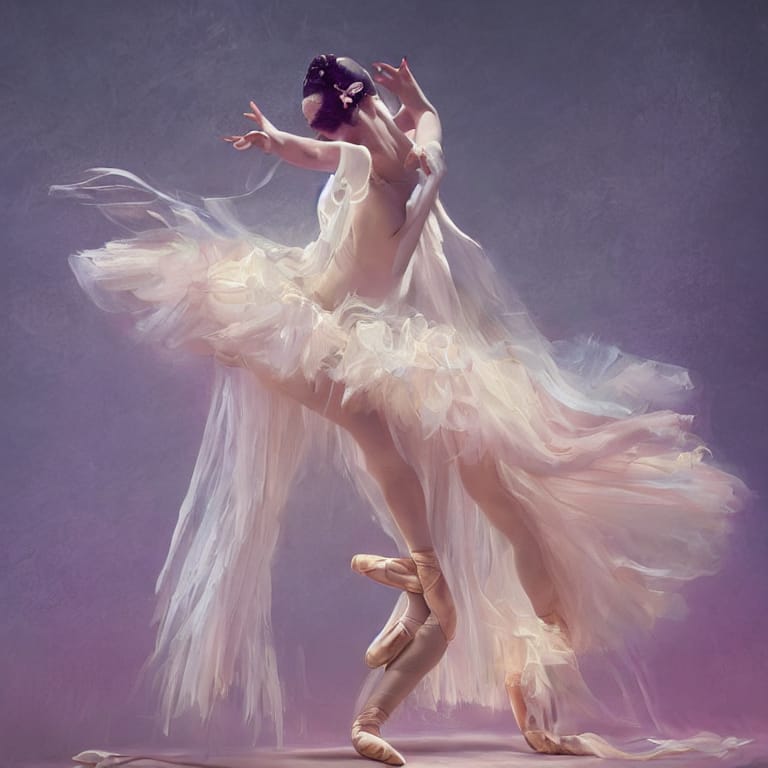
Dance performances refer to the presentation of dance routines, choreographed or improvised, to an audience. These performances can vary widely in their form, genre, and context. Some dance performances are strictly traditional and reflect the cultural heritage of a specific region or country, while others are more contemporary and blend multiple styles and techniques.
Classical ballet is perhaps the most recognizable form of dance performance. This genre is known for its graceful, flowing movements, precise footwork, and elaborate costumes. Ballet performances can be accompanied by live orchestral music or pre-recorded tracks, and often tell a story through movement and mime. Ballet companies, such as the New York City Ballet and the Royal Ballet in London, regularly stage performances for audiences around the world.
Modern dance is another popular form of dance performance that emerged in the early 20th century. This genre is characterized by its fluidity and lack of rigid structure, often incorporating improvisation and personal expression. Modern dance performances can be intimate or expansive, requiring only a small stage or a vast open space. Major modern dance companies, such as Alvin Ailey American Dance Theater and Martha Graham Dance Company, have influenced the development of contemporary dance and continue to tour internationally.
Contemporary dance is a hybrid of various dance styles and techniques. It often incorporates elements of modern dance, ballet, and jazz, as well as cultural and social dance forms. Contemporary dance performances can range from abstract and cerebral to emotive and political. This genre has gained popularity in recent years, with international festivals, such as the Dance Umbrella in London and the American Dance Festival in Durham, showcasing works by emerging and established choreographers.
Hip hop dance is a subculture that emerged from the streets of the Bronx, New York City in the 1970s. Today, hip hop dance has become a global phenomenon, with its own music, fashion, and unique style. Hip hop dance performances can range from high-energy breakdancing to intricate choreography executed to hip hop music. Major dance competitions, such as World of Dance and Juste Debout, attract top hip hop dance crews from around the world to compete for cash prizes and international recognition.
In conclusion, dance performances are a vibrant and diverse art form that engage and entertain audiences around the world. Whether traditional or contemporary, classical or modern, dance performances showcase the power and beauty of the human body in motion. Whether performed for entertainment or as a means of artistic expression, dance has the ability to transcend cultural barriers and speak to people of all ages and backgrounds.
Dance competitions are a popular aspect of the dance world, allowing dancers to showcase their skills and talents to judges and audiences. These competitions can take place in a variety of settings, from local festivals and competitions to national and international events.
Dance competitions often require dancers to perform specific styles of dance, such as ballet, hip-hop, salsa, or ballroom dancing. Dancers are typically judged on their technique, presentation, choreography, and musicality. In addition to solo performances, dance competitions may also feature duets, trios, or group dances.
Many dance competitions have strict rules and guidelines that must be followed by competitors. For example, there may be restrictions on the length of a routine, the types of moves that can be performed, or the use of props or costumes. Violations of these rules can result in point deductions or disqualification.
In order to be successful in a dance competition, dancers must not only have technical skill and artistry but also be able to connect with the audience and judges on an emotional level. This often involves creating a strong performance persona and choosing music and choreography that showcase their strengths and unique style.
One of the most well-known dance competitions is the World Dance Championship, which takes place annually and brings together dancers from around the world to compete in a variety of categories. Other popular competitions include the International Ballet Competition, the Hip-Hop International World Championship, and the Ballroom Dance World Cup.
Dance competitions can be a challenging and rewarding experience for dancers of all ages and skill levels. They provide an opportunity to showcase one's talents, compete against other dancers, and receive feedback from judges and peers. Whether dancing for fun or training for a career, participating in a dance competition can be a valuable part of any dancer's training and development.
Dance has been an integral part of various motion pictures and television shows over the years. The fusion of these two art forms has resulted in some of the most iconic moments in cinematic history. From classic Hollywood musicals to contemporary dance-based reality shows, the integration of dance into film and TV has been a source of entertainment for audiences worldwide.
One of the earliest films to showcase dance was the 1895 short film, "Annabelle Serpentine Dance." The film featured a dancer in a long flowing dress performing various dance moves against a black background. Over the decades, dance continued to be used as a form of entertainment in film, with the Golden Age of Hollywood particularly known for its classic musical productions.
One of the most iconic musical films is "Singin' in the Rain" (1952), which featured Gene Kelly's famous rain-soaked dance sequence. The movie, set during the transition period from silent films to "talkies," is known for its outstanding musical numbers that are still inspiring dancers today. Other notable musicals include "West Side Story" (1961), "Grease" (1978), and "Moulin Rouge!" (2001).
Apart from musicals, dance has also played a significant role in non-musical films. For example, the iconic dance scene in Quentin Tarantino's "Pulp Fiction" (1994) featuring John Travolta and Uma Thurman has become one of the most memorable movie moments of all time. In addition to feature films, dance has also been used in TV shows, with shows like "So You Think You Can Dance" and "Dancing with the Stars" bringing dance to millions of viewers for entertainment and competition.
Dance has been incorporated into various genres of film, including action, drama, and romance. From the ballet sequences in "Black Swan" (2010) to the dance-off in "Step Up" (2006), filmmakers continue to use dance to add a unique and aesthetically pleasing element to their work.
In conclusion, dance has played a significant role in film and TV for over a century, and continues to be a captivating element that enhances the visual and emotional impact of on-screen storytelling. From classic Hollywood musicals to contemporary dance-based reality shows, dance has entertained audiences, showcased human movement, and celebrated the art form through the medium of film and television.
Dance holds significant cultural value and has been an integral part of human society for centuries. It has been used to express emotions, celebrate cultural traditions, and provide a source of entertainment for both the performers and the audience. Different cultures have developed their unique dance styles, which reflect their customs, beliefs, and traditions. The cultural significance of dance is a reflection of how it is deeply connected to the social, religious, and artistic aspects of human life.
Dance finds its roots in religious ceremonies and cultural celebrations. Many traditional dances are connected to specific events such as weddings, harvest festivals, and religious holidays. In some cultures, dance forms part of important rituals and ceremonies such as initiation rites or healing rituals. By performing these dances, communities come together to celebrate their shared heritage, reinforce cultural values, and connect with their ancestors.
Beyond its cultural significance, dance serves as a medium of storytelling that transcends language barriers. Through body movements, facial expressions, and gestures, dancers convey stories and emotions, reaching out to the audience in ways that words cannot. It is a powerful tool for expressing love, anger, happiness, and sadness. In some cultures, dances are used to pass on stories and folklore from one generation to another, preserving the cultural heritage.
Dance is also an art form that is performed on various occasions. Ballet, salsa, jazz, hip hop, contemporary and many other forms of dance are performed in theaters, schools, and other venues all over the world. These performances often showcase the skill, technique, creativity, and athleticism of the dancers, and are accompanied by costumes, music, and lighting effects to add to the overall experience. Dance performances, whether performed by amateurs or professionals, are enjoyed as a form of entertainment by audiences worldwide.
In contemporary society, dance is also recognized as a means of physical exercise and a way to maintain a healthy lifestyle. Dance forms such as Zumba, ballroom dancing or salsa, have become popular among fitness enthusiasts, providing a fun and effective way to keep fit. Many people also engage in social dancing to socialize and make new connections.
In summary, the cultural significance of dance is vast and varied, playing an essential role in human society. It is a form of expression, a means of storytelling, an art form, and a source of entertainment, and is deeply rooted in human culture, providing a reflection of the diverse customs and traditions of different cultures worldwide.
Controversies in dance are not uncommon and have been present since the ancient times. The type of dance, its style, and the context in which it is performed have all been subject to debate and controversy throughout history. Some of the controversies in dance revolve around its moral implications, while others focus on its political, racial, and cultural representations.
One of the most controversial dance forms is pole dancing which is often associated with strip clubs and sexual entertainment. However, contemporary pole dancing has evolved to be a competitive athletic sport and a form of fitness, commonly referred to as "pole fitness". Despite this shift in perspective, pole dancing continues to be a topic of debate and criticism, with some dismissing it as vulgar and others advocating it as a legitimate form of art.
Another dance form that has been plagued by controversy is burlesque. Burlesque is a genre of entertainment that is both humorous and satirical, often involving the use of sexualized movements and costumes. While some see burlesque as empowering and subversive, others view it as objectifying and perpetuating harmful gender stereotypes.
Yet another form of dance that has stirred controversy is the use of cultural and religious symbols in dance. Some argue that the appropriation of cultural elements and symbols by outsiders is disrespectful and insensitive, while others argue that culture is constantly evolving and borrowing from other cultures is a natural process.
The depiction of race in dance has also been a source of contention. Many traditional ballets, for example, have been criticized for their lack of diversity and perpetuation of classical beauty standards. More recently, the emergence of the "blackface" controversy in dance has sparked debates about the use of exaggerated racial stereotypes in performance.
In conclusion, controversies surrounding dance are complex and multifaceted. The subjective nature of art and the inherent cultural, social, and political implications of dance make it a topic of discussion and debate. At the same time, it is important to acknowledge that dance has the potential to bring people together and create shared experiences, while at the same time inspiring new forms and interpretations of expression.
Dance has been influenced by a multitude of cultural influences throughout human history. As a result, different styles of dance have evolved across the globe, with each style being unique and having its own significance. However, dance styles have also been appropriated over the years, leading to debates about cultural ownership and identity.
One of the most contentious issues related to dance appropriation is the borrowing of cultural symbols and movements without proper credit or acknowledgement. This occurs when dominant cultures borrow elements from other cultures, strip them of their cultural significance, and repackage them for mass consumption. This results in erasure of cultural identity, leading to a loss of heritage, meaning and value.
For instance, the appropriation of African dance styles, such as Jazz, has been an ongoing topic of debate. Jazz dance is often misunderstood as a dance style which is a hybrid of African-American and European influences, but in reality, majority of its movements have deep roots in African dance. Jazz dance is a cultural expression that is deeply connected to the African-American community, and its appropriation without proper credit or acknowledgement is seen by many as a form of cultural theft.
Similarly, the appropriation of Indian classical dance forms such as Bharatanatyam and Kathak has also been an ongoing issue. Some Western dancers often present these dance styles in inaccurate ways, devoid of their cultural significance, and without giving credit to the rich history and cultural symbolism behind them. This leads to a misappropriation of Indian cultural heritage, and a loss of the deeper meanings and values of the dance forms.
Appropriation of dance styles is not just limited to cross-cultural borrowing. It can also occur within communities themselves, when cultural dance forms are modified or modernized. For example, some people argue that the over-sexualization of Latin dance styles such as Salsa and Bachata, within the global ballroom dance community, has led to the erasure of their original cultural significance. The modernization of these dance styles, without proper contextualization, has created a distorted version of the dance and diminished the original cultural value.
In conclusion, while dance is a universal art form, it is also deeply connected to its cultural roots. It is important to acknowledge the cultural origins and symbolism of dance styles, and to respect and credit the communities that have created them. Appropriation of dance styles, without proper credit and acknowledgement, can lead to cultural erasure and the loss of cultural significance.
The sexualization of dance is a complex and controversial topic that has been debated by scholars, dancers, and the general public alike. On the one hand, dance can certainly be a sensual and erotic art form, with movements and gestures that evoke eroticism, desire, and passion. On the other hand, the sexualization of dance can also perpetuate negative or harmful stereotypes, objectify dancers, and perpetuate unequal power dynamics in dance communities.
One of the most common criticisms of the sexualization of dance is that it reinforces gender stereotypes and perpetuates a culture of objectification. In many forms of dance, women are often portrayed as passive and submissive, with men as the dominant and controlling partners. This dynamic reinforces traditional gender roles and can contribute to a toxic dance culture where women are seen as mere objects of desire.
Another issue with the sexualization of dance is that it can create unrealistic expectations for dancers, particularly women. Dancers may feel pressure to conform to a certain body type or to engage in sexualized movements or costumes in order to be successful or receive recognition. This can lead to feelings of insecurity, anxiety, and even eating disorders.
Despite these concerns, it is important to acknowledge that dance can also be an empowering and liberating art form for many individuals. For some, the sensual and erotic movements of dance can provide a way to express themselves and explore their own desires in a safe and consensual context. Additionally, many dancers and choreographers are pushing back against the traditional stereotypes and power dynamics of dance, working to create more inclusive and diverse communities.
Ultimately, the sexualization of dance is a nuanced and complex issue that requires ongoing dialogue and critical reflection. As dance continues to evolve and change, it is important to consider the potential benefits and drawbacks of sexualized movements and imagery, and to work towards creating a more equitable and empowering dance culture for all participants.
Gender representation in dance has been a topic of discussion for several years now. Traditionally, the male dancers' roles have been dominant in performing arts, while female dancers have been objectified through hyper-sexualization or limited to being adornments to the male dancers. However, in recent times, significant changes have been seen in the way dance performances represent gender.
In classical ballet, for instance, the male dancer's role was confined to lifting and supporting the female dancer, while the female dancer was casted as a weaker and helpless character. This male-dominant attitude was challenged by several ballerinas in the 1970s, adding a more contemporary approach to the art form. Since then, many influential female dancers have risen to prominence, with Anna Pavlova and Margot Fonteyn leading the charge. Today, there are several all-female ballet companies, and the male dancer's role has evolved beyond reinforcing the female dancer.
Similarly, hip-hop dance, which originated in urban Black and Latino communities, was once considered a male-dominated dance form. Women who performed hip-hop dance were hyper-sexualized and objectified, which led to their exclusion from several dance crews. However, in recent years, women have been gaining popularity in the hip-hop dance scene, challenging the notion that women can't compete against men in dance battles. Women-led hip-hop groups like Decadancetheatre and Rhapsody James have been leading the charge in changing the gender representation in hip-hop culture.
In addition to challenging gender roles, contemporary dance has also paved the way for non-gender-conforming dancers. In contemporary dance, performers are not limited to traditional gender roles and can express themselves in any way they choose to. Choreographers like Bill T. Jones have been instrumental in breaking down gender stereotypes and promoting a more inclusive dance culture that allows people to move beyond stereotypical gender roles.
In conclusion, the dance industry has come a long way in terms of gender representation. From challenging traditional gender roles to fostering an inclusive environment where gender non-conforming dancers can thrive, the dance industry has made significant strides in recent years to be more inclusive and accommodating of all genders.
Dance has been influenced by a multitude of cultural influences throughout human history. As a result, different styles of dance have evolved across the globe, with each style being unique and having its own significance. However, dance styles have also been appropriated over the years, leading to debates about cultural ownership and identity.
One of the most contentious issues related to dance appropriation is the borrowing of cultural symbols and movements without proper credit or acknowledgement. This occurs when dominant cultures borrow elements from other cultures, strip them of their cultural significance, and repackage them for mass consumption. This results in erasure of cultural identity, leading to a loss of heritage, meaning and value.
For instance, the appropriation of African dance styles, such as Jazz, has been an ongoing topic of debate. Jazz dance is often misunderstood as a dance style which is a hybrid of African-American and European influences, but in reality, majority of its movements have deep roots in African dance. Jazz dance is a cultural expression that is deeply connected to the African-American community, and its appropriation without proper credit or acknowledgement is seen by many as a form of cultural theft.
Similarly, the appropriation of Indian classical dance forms such as Bharatanatyam and Kathak has also been an ongoing issue. Some Western dancers often present these dance styles in inaccurate ways, devoid of their cultural significance, and without giving credit to the rich history and cultural symbolism behind them. This leads to a misappropriation of Indian cultural heritage, and a loss of the deeper meanings and values of the dance forms.
Appropriation of dance styles is not just limited to cross-cultural borrowing. It can also occur within communities themselves, when cultural dance forms are modified or modernized. For example, some people argue that the over-sexualization of Latin dance styles such as Salsa and Bachata, within the global ballroom dance community, has led to the erasure of their original cultural significance. The modernization of these dance styles, without proper contextualization, has created a distorted version of the dance and diminished the original cultural value.
In conclusion, while dance is a universal art form, it is also deeply connected to its cultural roots. It is important to acknowledge the cultural origins and symbolism of dance styles, and to respect and credit the communities that have created them. Appropriation of dance styles, without proper credit and acknowledgement, can lead to cultural erasure and the loss of cultural significance.

The sexualization of dance is a complex and controversial topic that has been debated by scholars, dancers, and the general public alike. On the one hand, dance can certainly be a sensual and erotic art form, with movements and gestures that evoke eroticism, desire, and passion. On the other hand, the sexualization of dance can also perpetuate negative or harmful stereotypes, objectify dancers, and perpetuate unequal power dynamics in dance communities.
One of the most common criticisms of the sexualization of dance is that it reinforces gender stereotypes and perpetuates a culture of objectification. In many forms of dance, women are often portrayed as passive and submissive, with men as the dominant and controlling partners. This dynamic reinforces traditional gender roles and can contribute to a toxic dance culture where women are seen as mere objects of desire.
Another issue with the sexualization of dance is that it can create unrealistic expectations for dancers, particularly women. Dancers may feel pressure to conform to a certain body type or to engage in sexualized movements or costumes in order to be successful or receive recognition. This can lead to feelings of insecurity, anxiety, and even eating disorders.
Despite these concerns, it is important to acknowledge that dance can also be an empowering and liberating art form for many individuals. For some, the sensual and erotic movements of dance can provide a way to express themselves and explore their own desires in a safe and consensual context. Additionally, many dancers and choreographers are pushing back against the traditional stereotypes and power dynamics of dance, working to create more inclusive and diverse communities.
Ultimately, the sexualization of dance is a nuanced and complex issue that requires ongoing dialogue and critical reflection. As dance continues to evolve and change, it is important to consider the potential benefits and drawbacks of sexualized movements and imagery, and to work towards creating a more equitable and empowering dance culture for all participants.
Gender representation in dance has been a topic of discussion for several years now. Traditionally, the male dancers' roles have been dominant in performing arts, while female dancers have been objectified through hyper-sexualization or limited to being adornments to the male dancers. However, in recent times, significant changes have been seen in the way dance performances represent gender.
In classical ballet, for instance, the male dancer's role was confined to lifting and supporting the female dancer, while the female dancer was casted as a weaker and helpless character. This male-dominant attitude was challenged by several ballerinas in the 1970s, adding a more contemporary approach to the art form. Since then, many influential female dancers have risen to prominence, with Anna Pavlova and Margot Fonteyn leading the charge. Today, there are several all-female ballet companies, and the male dancer's role has evolved beyond reinforcing the female dancer.
Similarly, hip-hop dance, which originated in urban Black and Latino communities, was once considered a male-dominated dance form. Women who performed hip-hop dance were hyper-sexualized and objectified, which led to their exclusion from several dance crews. However, in recent years, women have been gaining popularity in the hip-hop dance scene, challenging the notion that women can't compete against men in dance battles. Women-led hip-hop groups like Decadancetheatre and Rhapsody James have been leading the charge in changing the gender representation in hip-hop culture.
In addition to challenging gender roles, contemporary dance has also paved the way for non-gender-conforming dancers. In contemporary dance, performers are not limited to traditional gender roles and can express themselves in any way they choose to. Choreographers like Bill T. Jones have been instrumental in breaking down gender stereotypes and promoting a more inclusive dance culture that allows people to move beyond stereotypical gender roles.
In conclusion, the dance industry has come a long way in terms of gender representation. From challenging traditional gender roles to fostering an inclusive environment where gender non-conforming dancers can thrive, the dance industry has made significant strides in recent years to be more inclusive and accommodating of all genders.
In conclusion, dance is a powerful medium for expression and creativity, bringing together people from different cultures and backgrounds. It has evolved over time, with different styles and genres emerging to reflect the changing times and societal trends. Despite its varied forms, dance remains an integral part of human experience, serving as a means of communication, celebration, and artistic expression.
From traditional cultural dances to modern-day hip-hop and contemporary pieces, the physical practice of dance has been proven to have numerous physical and mental health benefits, making it an ideal form of exercise and therapy for people of all ages. Additionally, dance has played a significant role in human history, serving as a reflection of the social and cultural norms of its time.
As we move into the future, dance is set to continue to evolve, reflecting the diverse voices of our ever-changing world, and utilizing technology and innovation to push the boundaries of what is possible on stage. From the music festivals that bring together tens of thousands of people to the small-scale concerts that showcase local talent, dance is sure to remain a beloved art form for generations to come.
In summary, dance is much more than just a physical activity or a form of entertainment. It is an art form that has the power to transcend boundaries and bring people together in a celebration of life, love, and community. As such, it deserves to be celebrated and cherished, both for its timeless beauty and its ability to unite us in a shared experience of joy and creativity.